

About Us
Building Smart Biotech Solutions to scale from lab to production with confidence


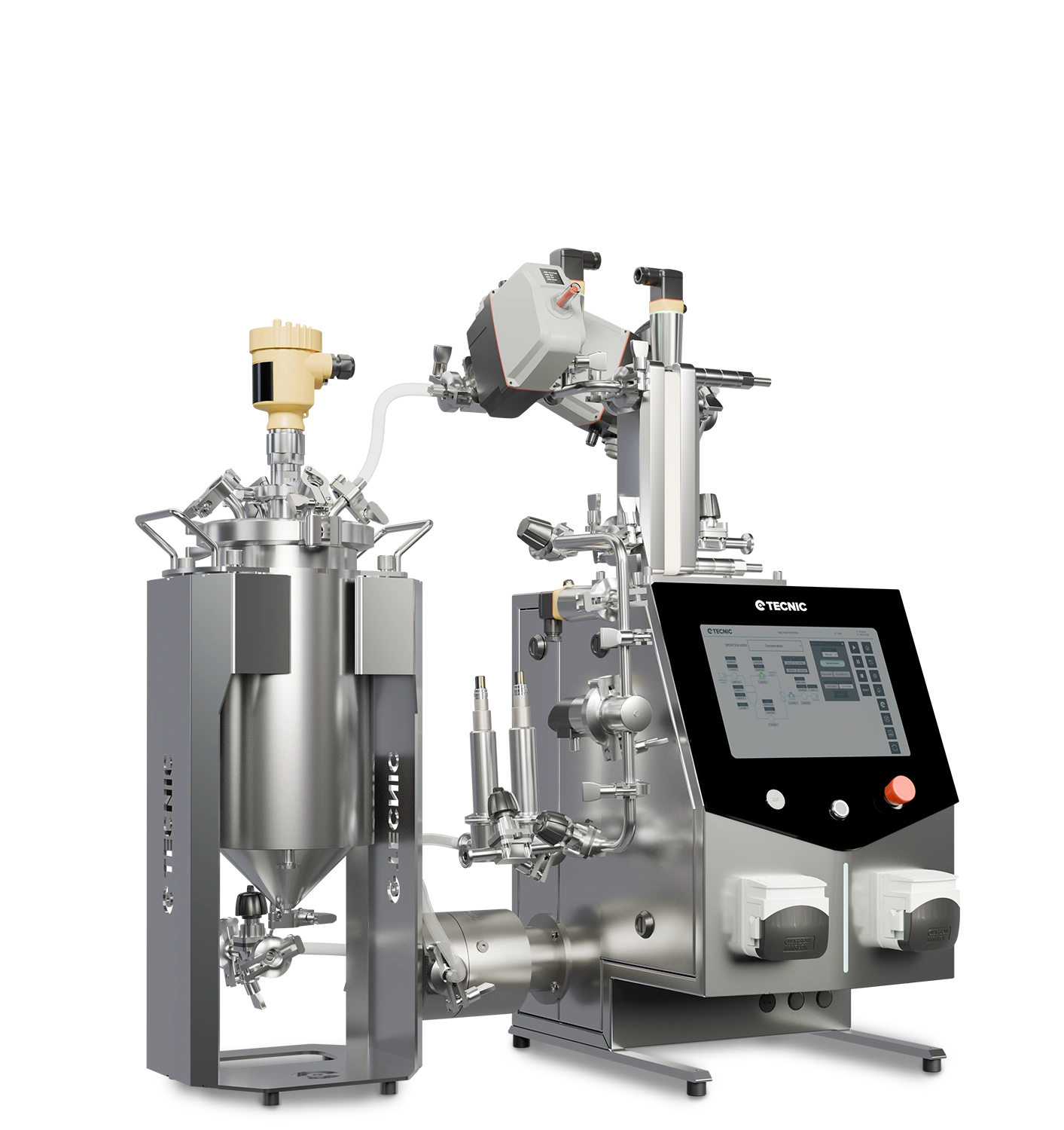
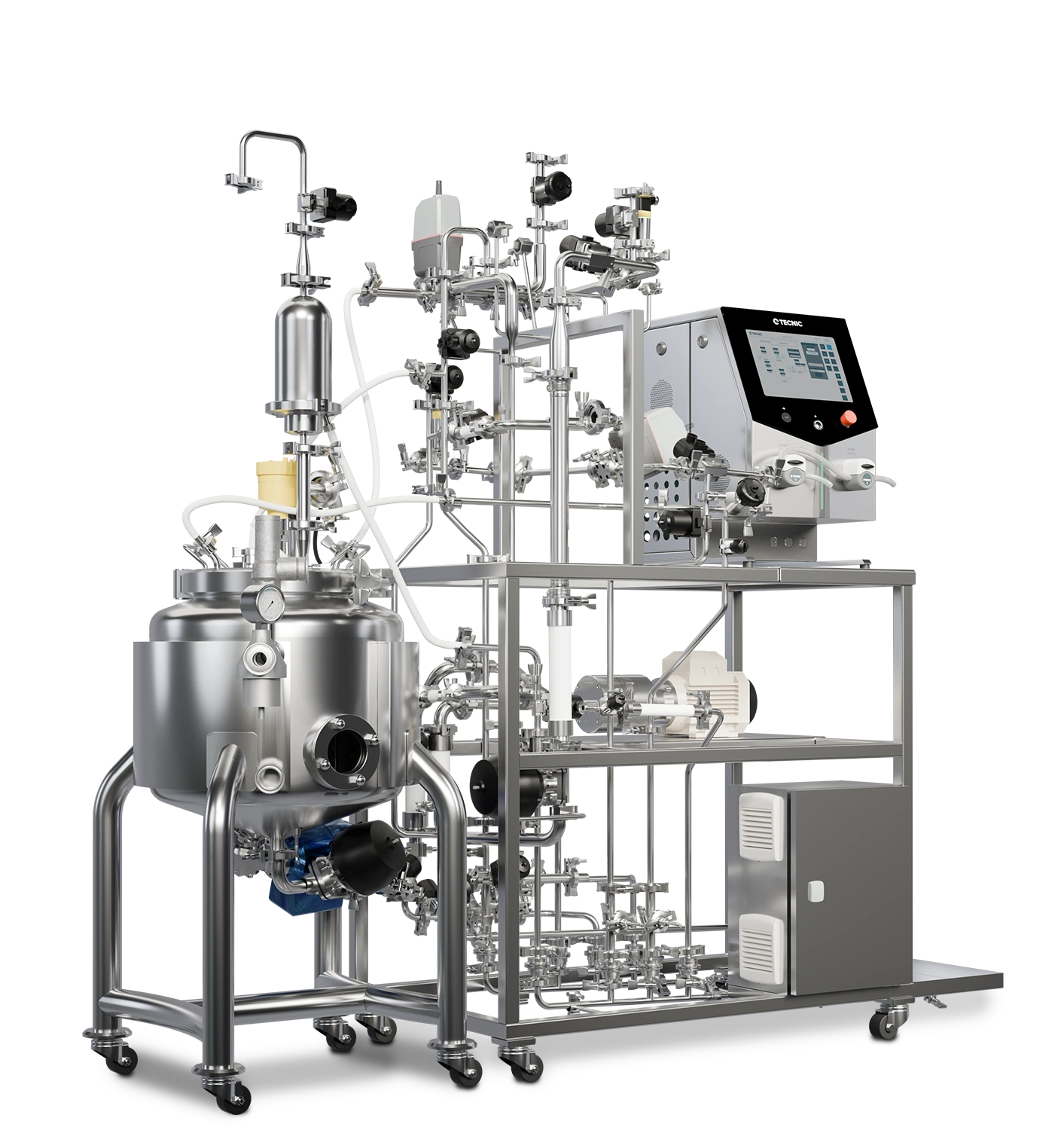
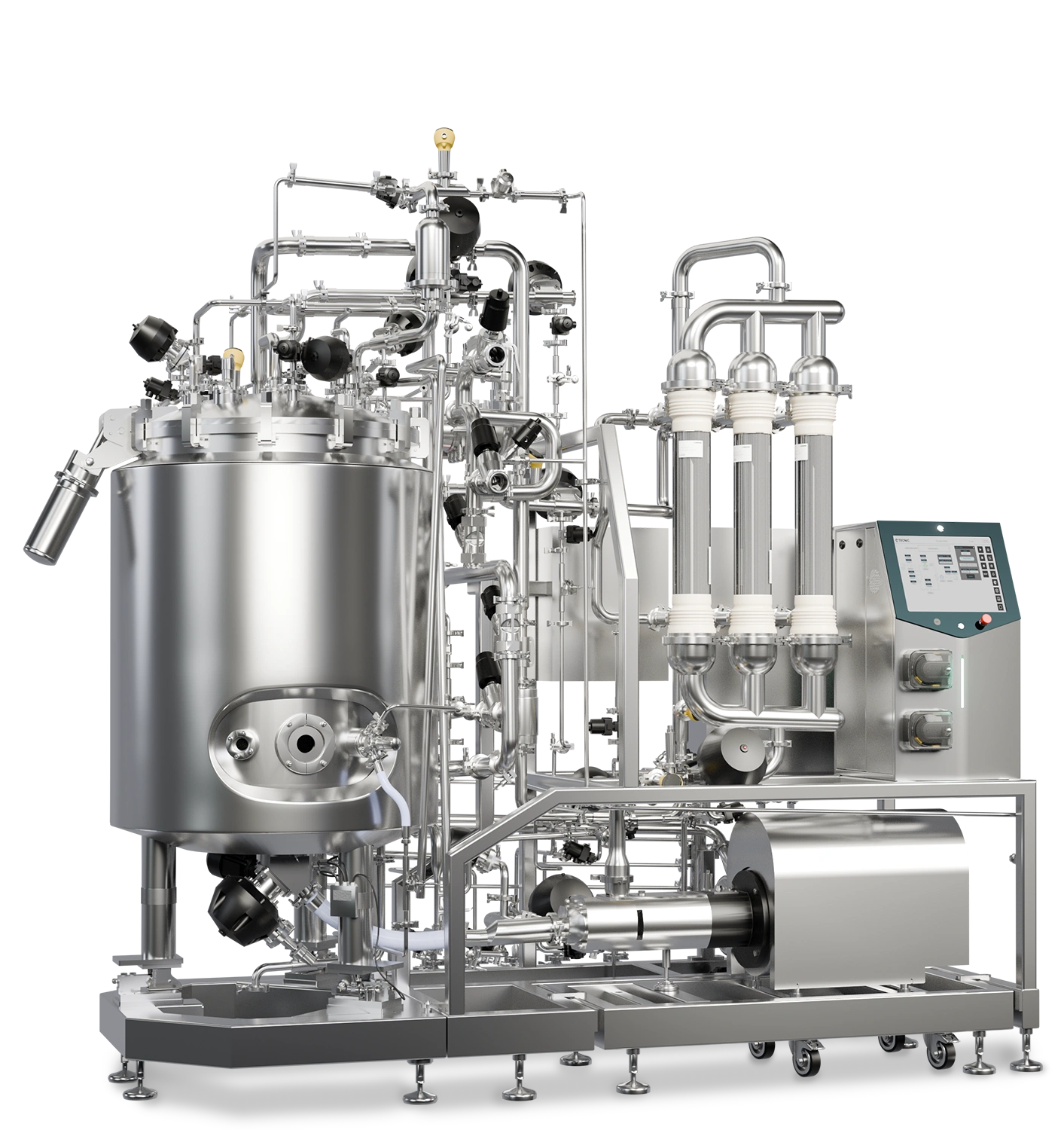
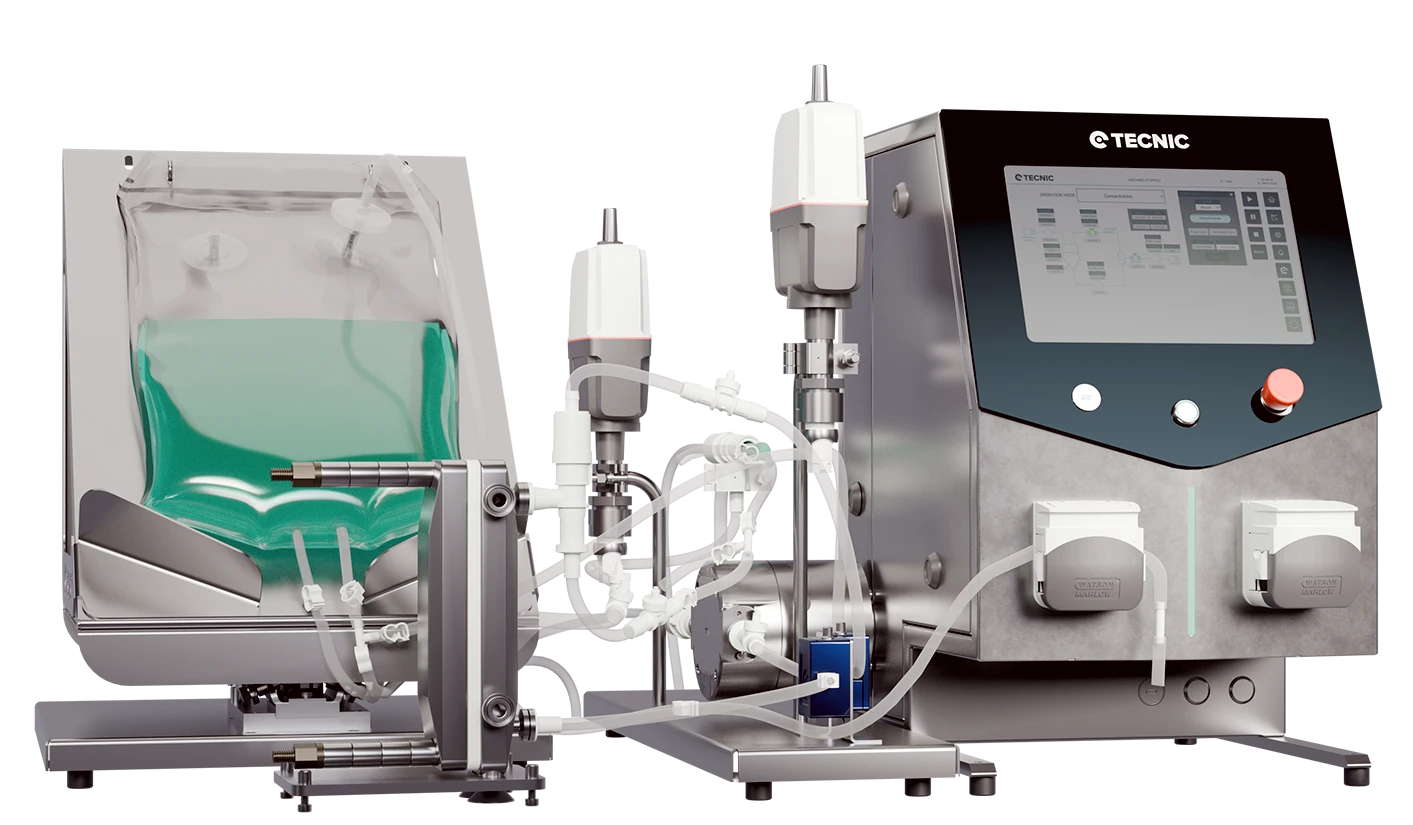
Capabilities that support bioprocess scale-up
From engineering and automation to documentation and support, built for regulated environments.
Scaling bioprocesses is not only about equipment size. It depends on the ability to engineer repeatable systems, control critical parameters, generate reliable documentation, and support installation and operation across sites. These capabilities help reduce risk when moving from development to pilot and production.
Step 1Process understanding and application fit
We start from your process type (cell culture or microbial), target modes (batch, fed-batch, perfusion), and critical constraints (shear, oxygen transfer, heat removal, sterility strategy) to define a realistic operating window.Step 2Engineering and system design
Mechanical design, materials, hygienic layout, utilities definition, and sizing criteria are translated into an engineered solution with clear scope, interfaces, and constraints to avoid surprises during installation.Step 3Automation, data and integration
Control philosophy, alarms, trends, recipes, and reporting are structured to support stable operation. Integration needs (networking, OPC, data export) are aligned early with plant IT/OT and validation expectations.Step 4Quality and documentation readiness
Documentation packages, traceability of key components, and optional qualification support (IQ/OQ) are prepared according to project and regulatory needs, supporting internal reviews and audits.Step 5Testing, delivery and on-site support
FAT/SAT planning, acceptance criteria, training scope, and service response are defined to ensure the system performs as expected and teams can operate it confidently after handover.STEP 6 Local and remote support
Fast support matters when a process is running. We combine remote assistance with a local network so customers can get help quickly when needed. With a network of more than 25 distributors, we can provide closer coverage for service coordination, basic troubleshooting and on-site support, depending on the region and project scope.
Regulatory and compliance framework
Technical design and documentation aligned with applicable European requirements
Depending on product scope and project configuration, TECNIC equipment is designed and documented in line with the applicable European regulatory framework for machinery, electrical safety, electromagnetic compatibility, pressure equipment, and material restrictions. This framework supports how we approach technical design, risk assessment, electrical integration, safety functions, and compliance documentation across different equipment categories.
Directives
- 2006/42/EC Machinery Directive.
- 2014/30/EU Electromagnetic Compatibility Directive.
- 2014/68/EU Pressure Equipment Directive.
- 2011/65/EU RoHS Directive, as amended by 2015/863/EU and 2017/2102/EU.
- 2014/35/EU Low Voltage Directive.
Harmonised standards typically used
- UNE-EN ISO 12100:2012 Safety of machinery, general principles for design, risk assessment and risk reduction.
- UNE-EN 60204-1:2019 Safety of machinery, electrical equipment of machines, general requirements.
- UNE-EN ISO 13850:2016 Safety of machinery, emergency stop function, principles for design.
- UNE-EN ISO 14120:2016 Safety of machinery, guards, general requirements for the design and construction of fixed and movable guards.
Our facilities
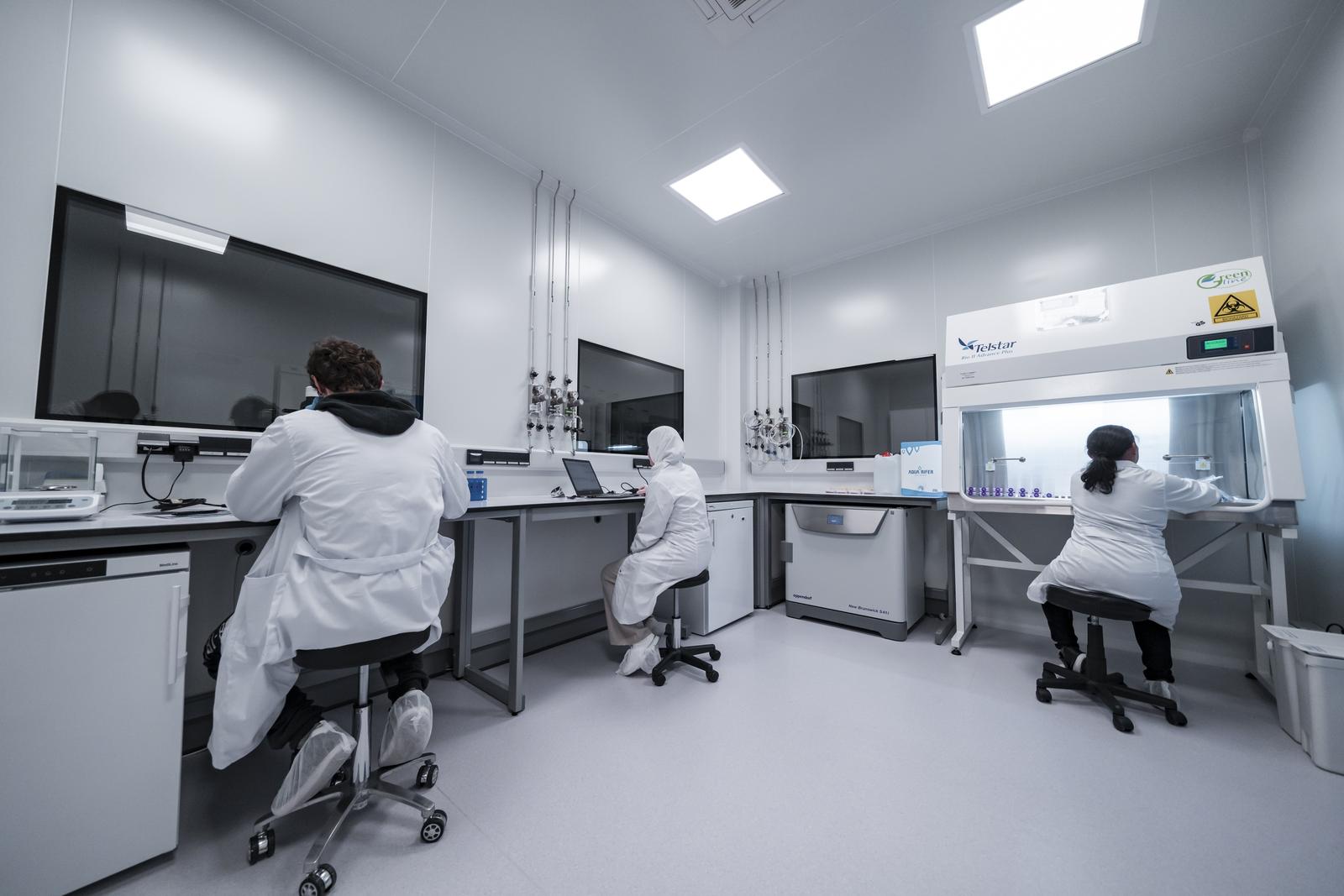
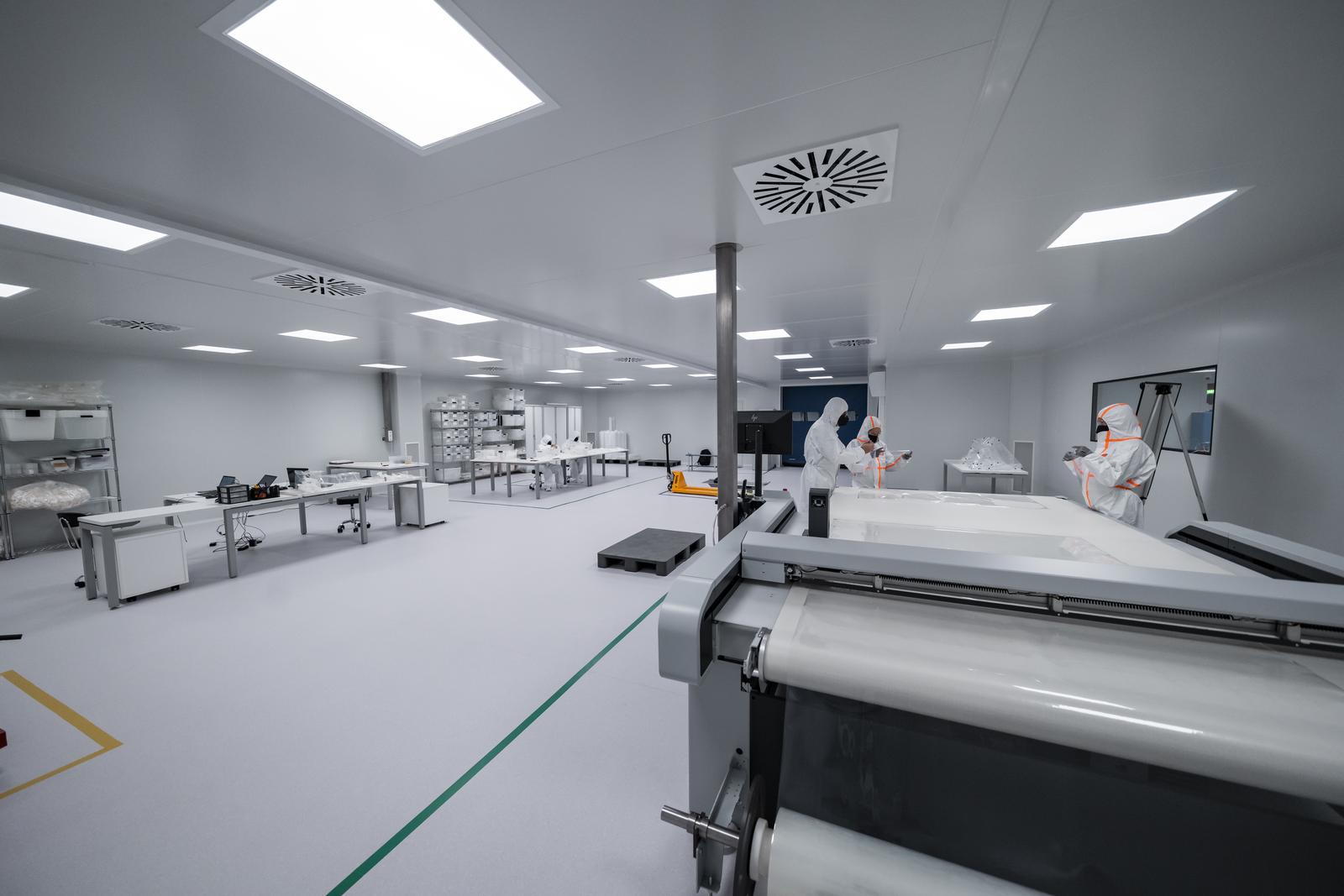
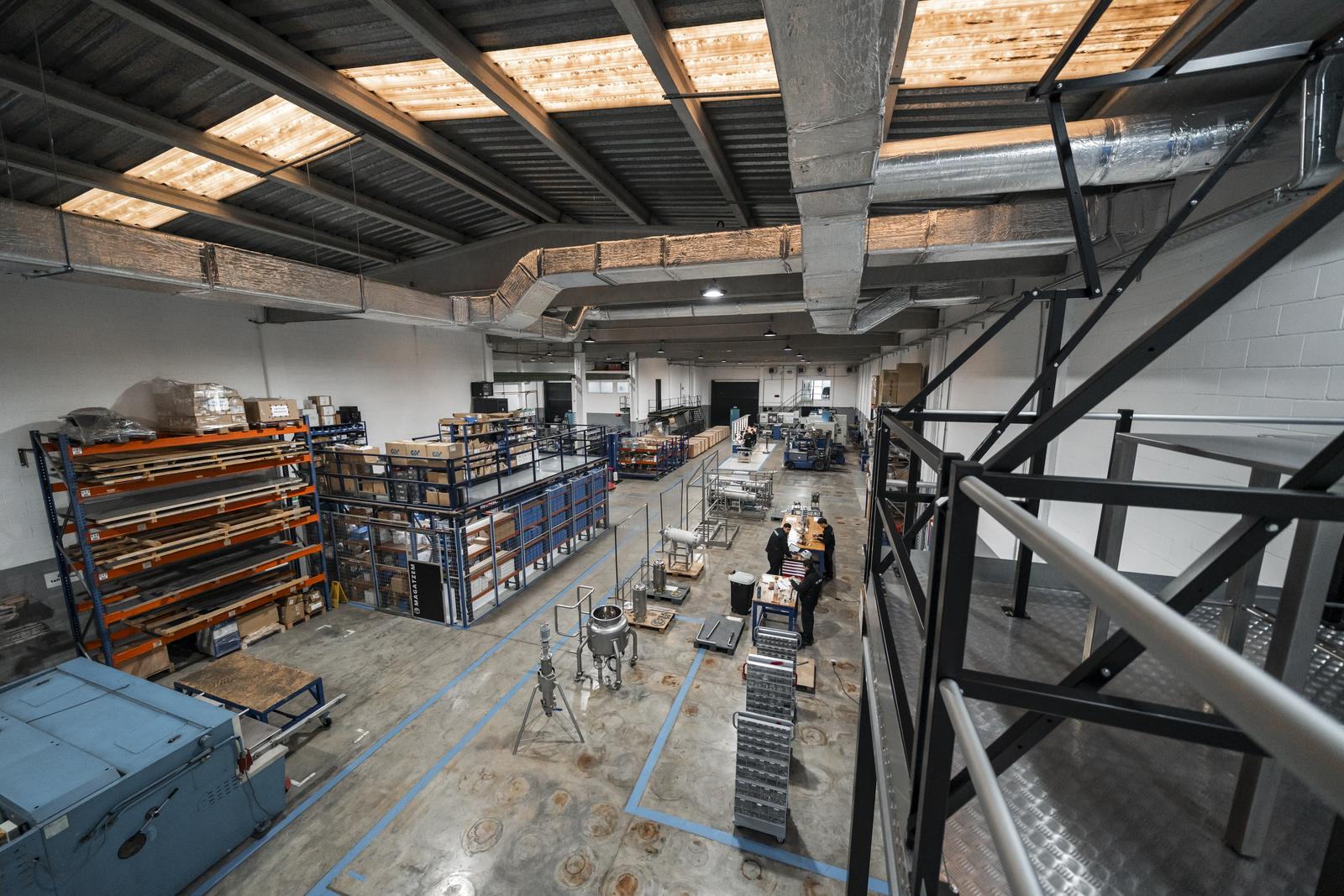
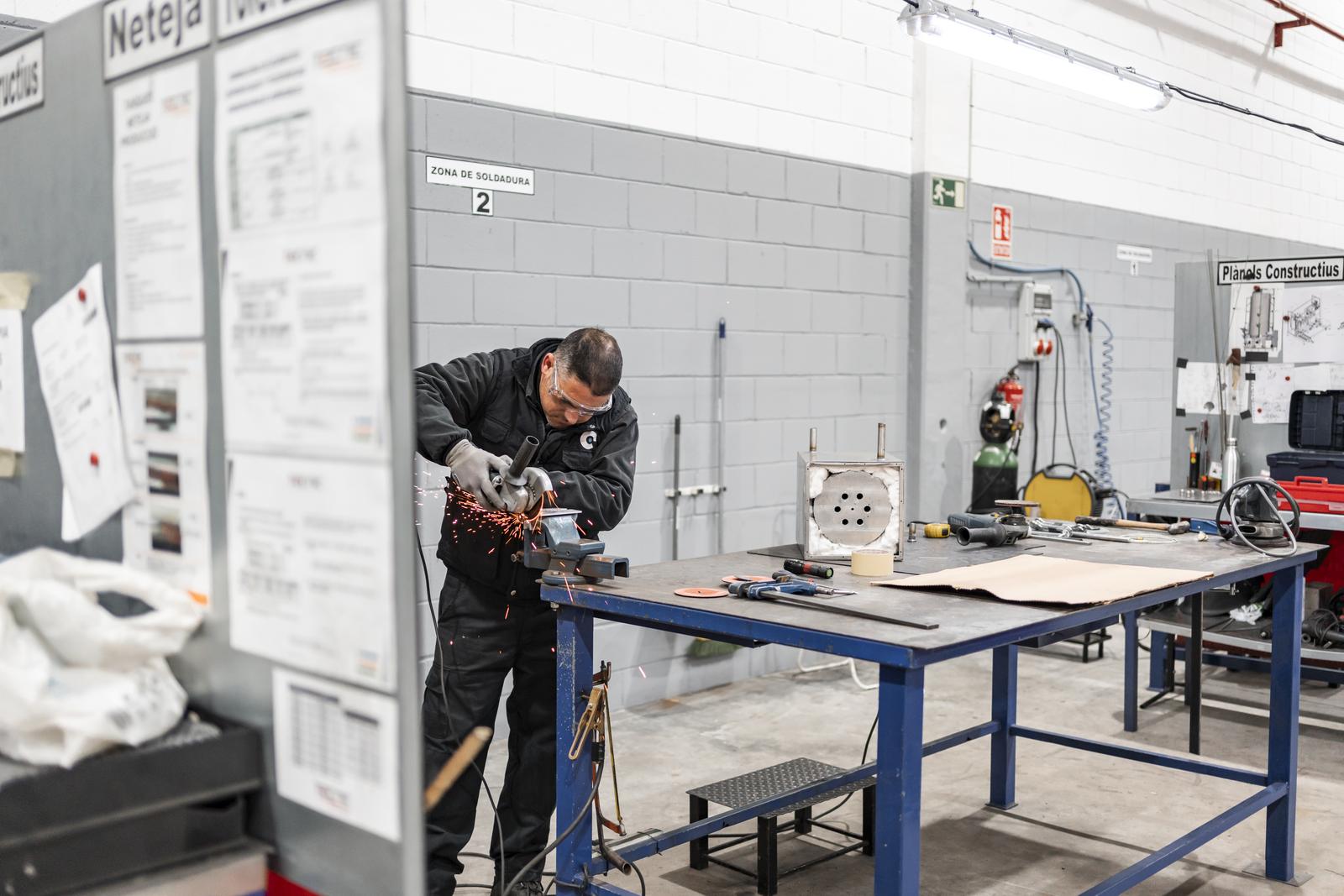
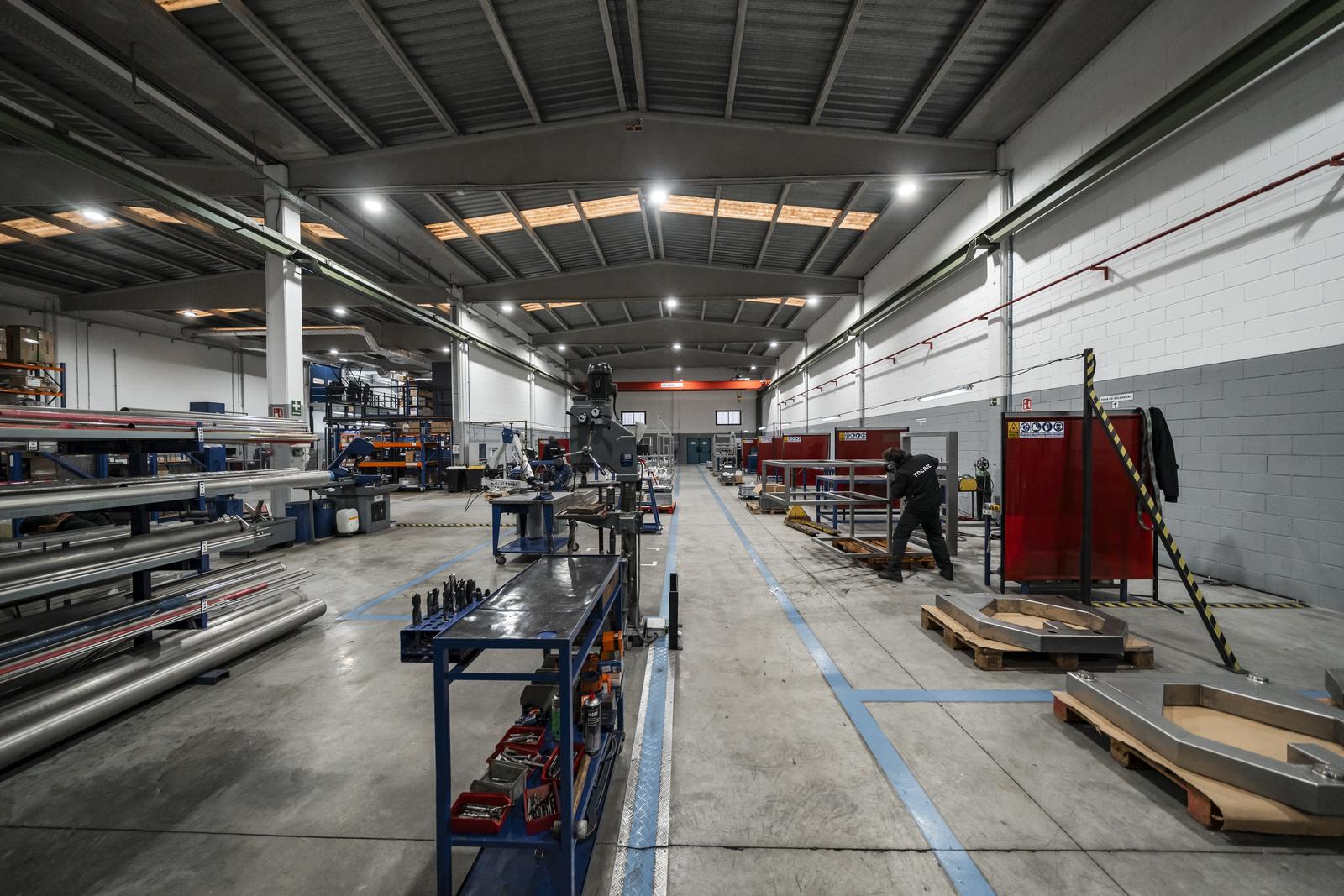
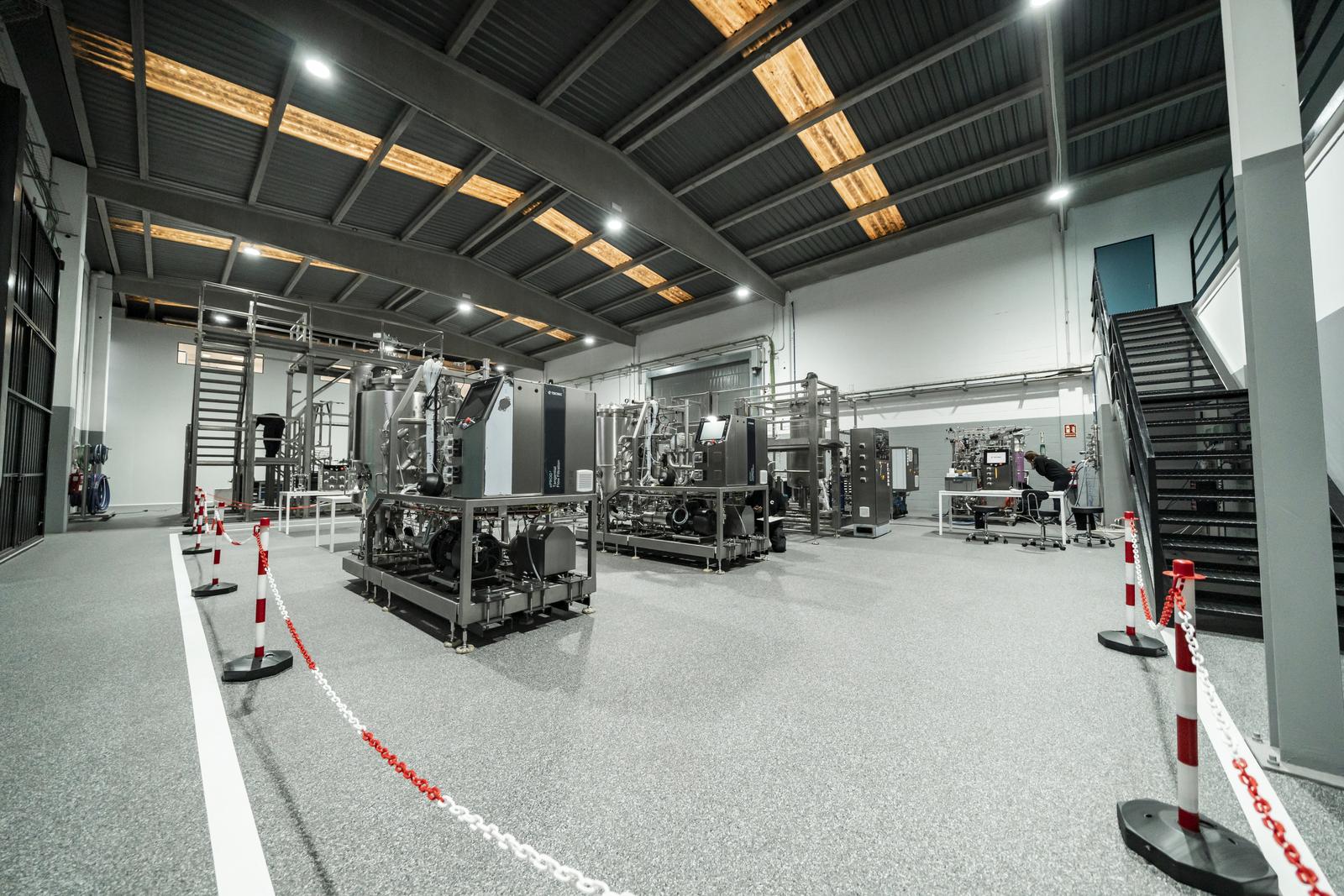
Designed and manufactured in Spain, with facilities structured for controlled builds, testing, and reliable shipment preparation.
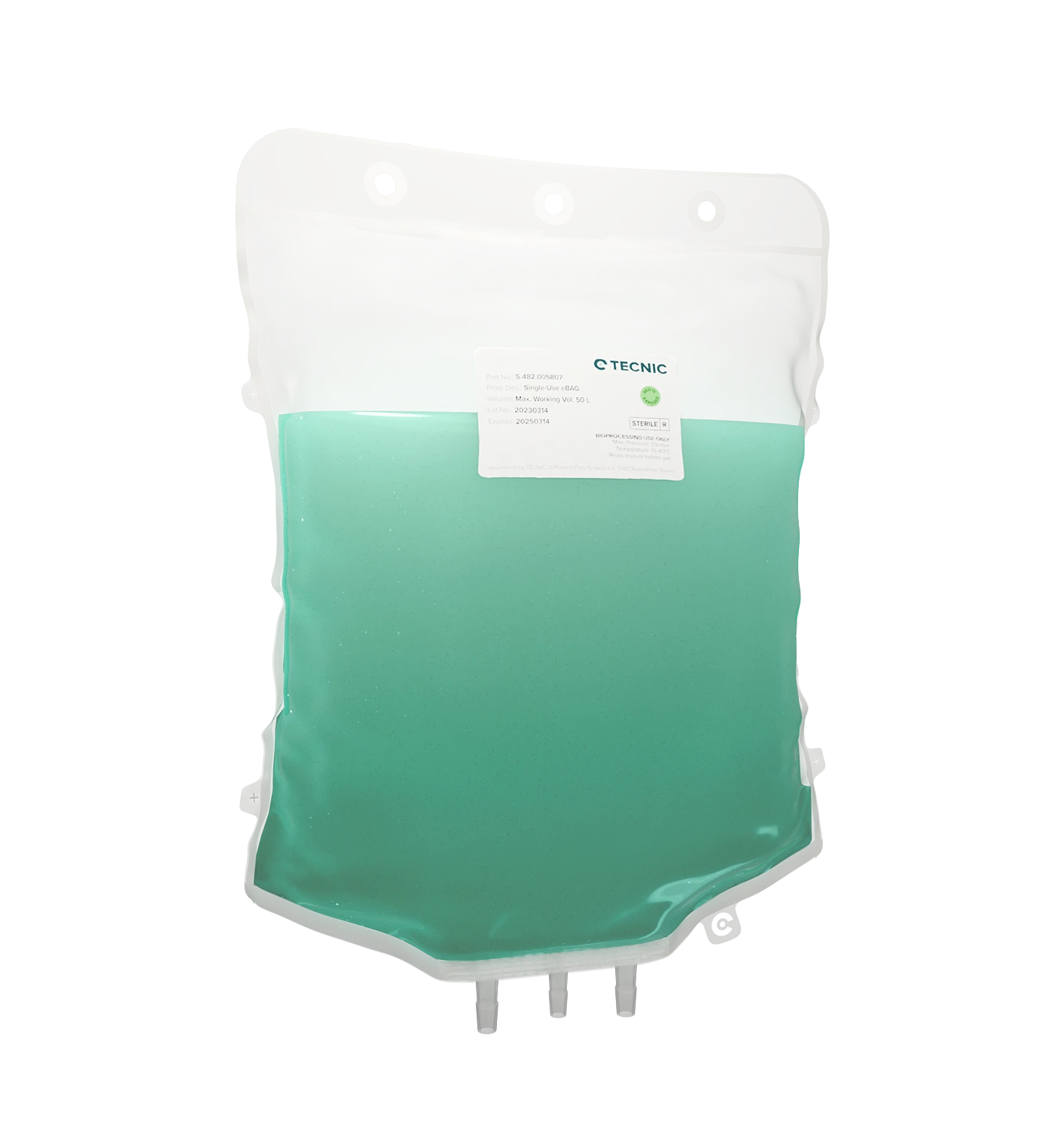
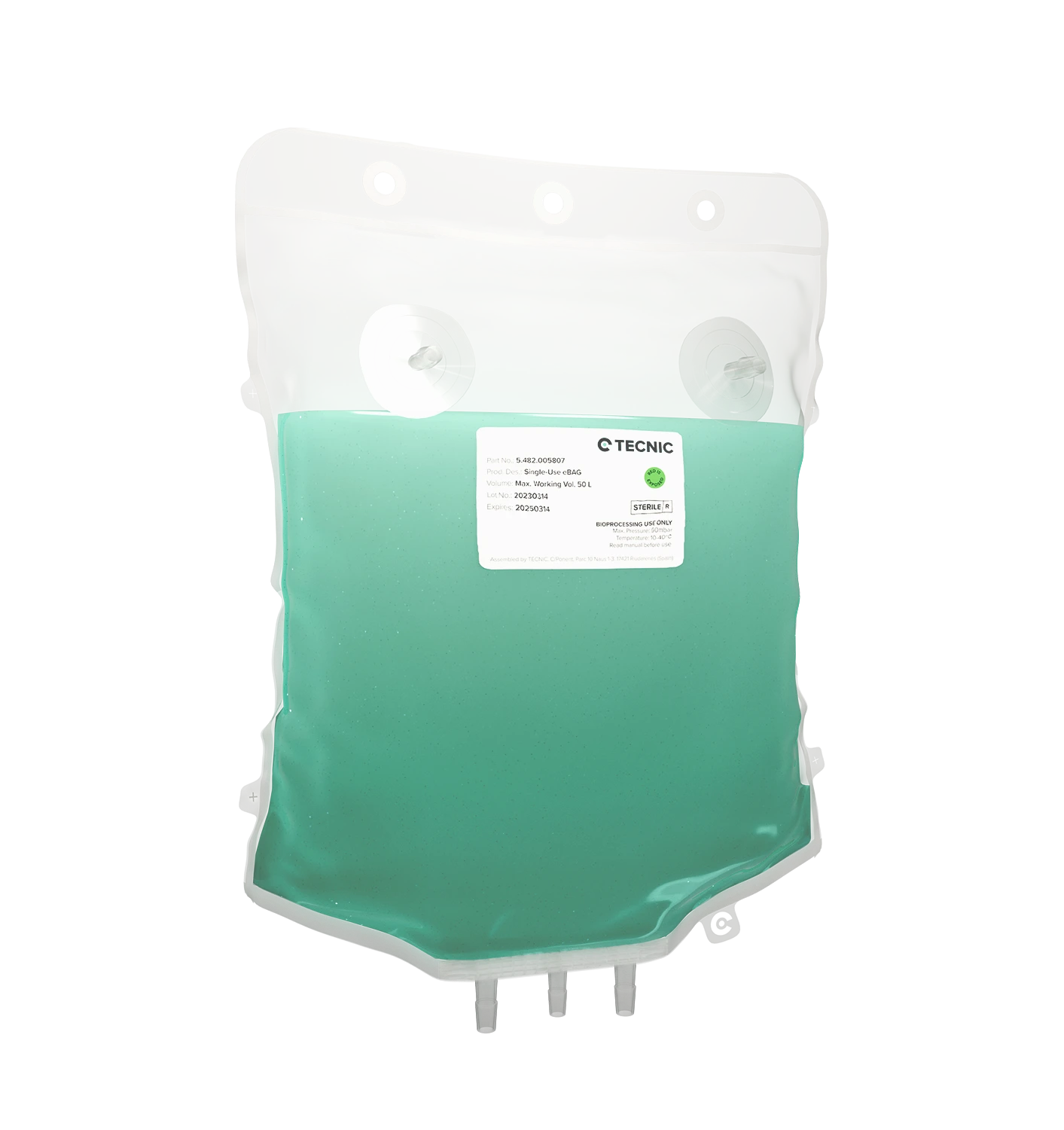
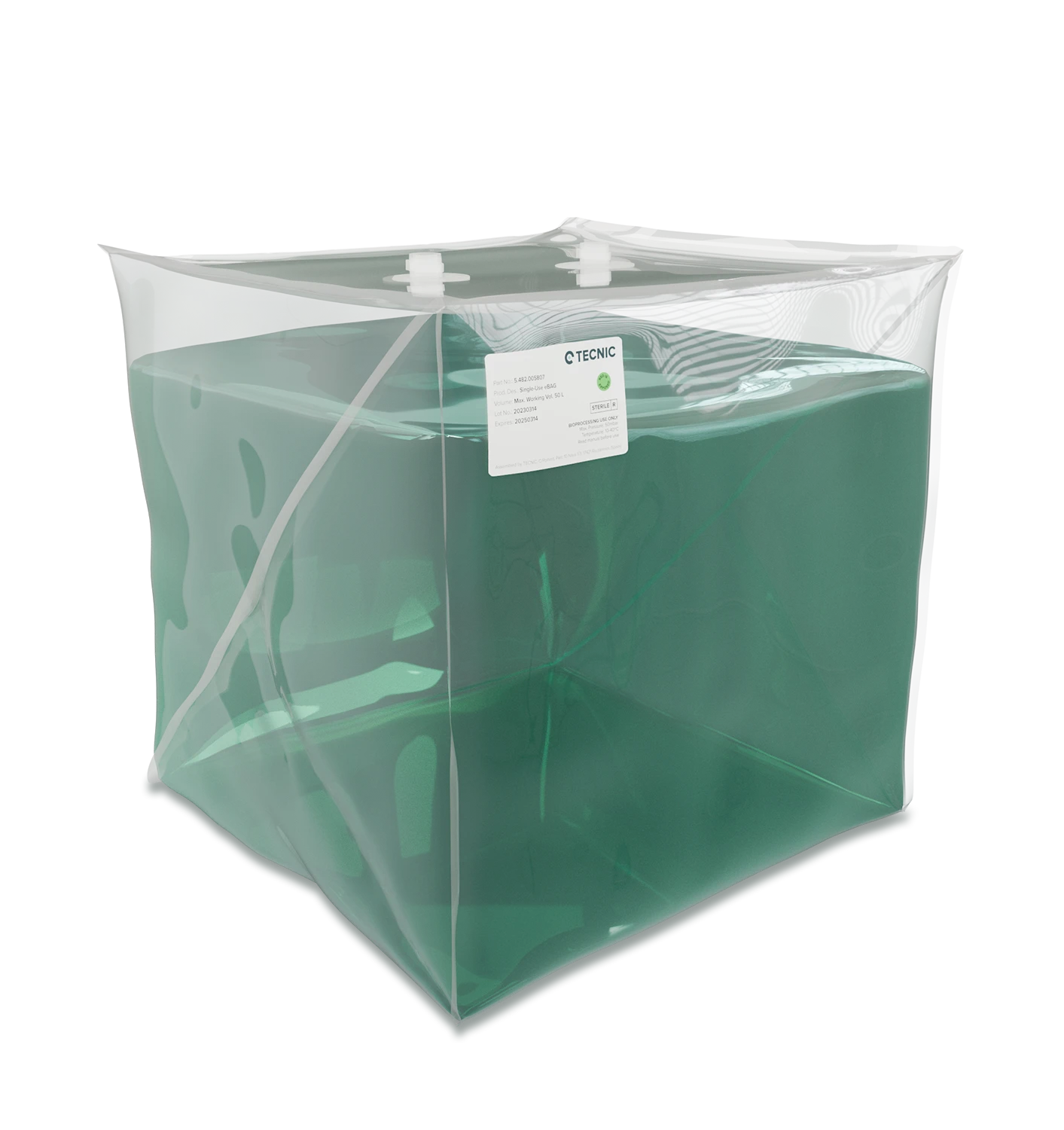
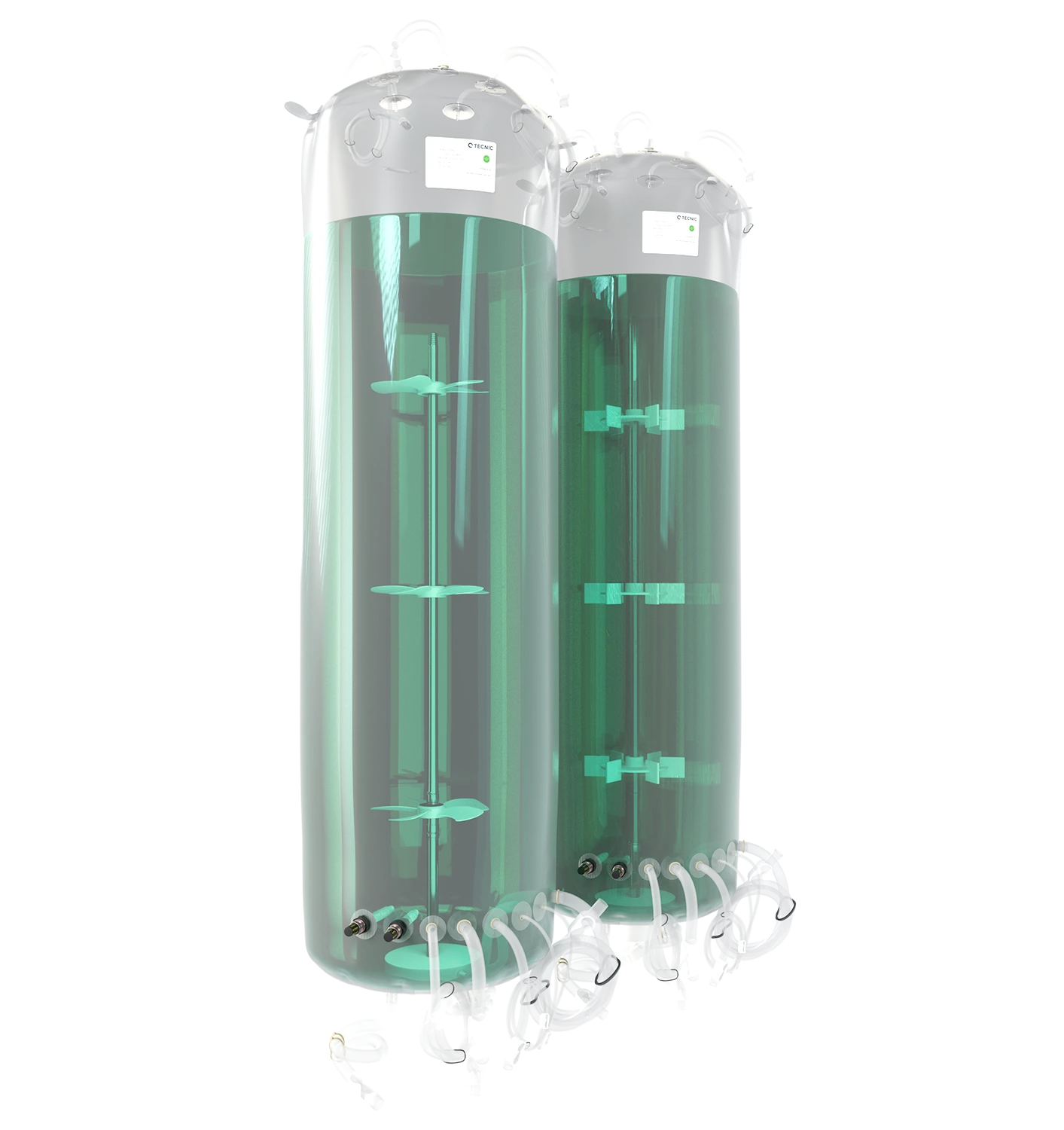
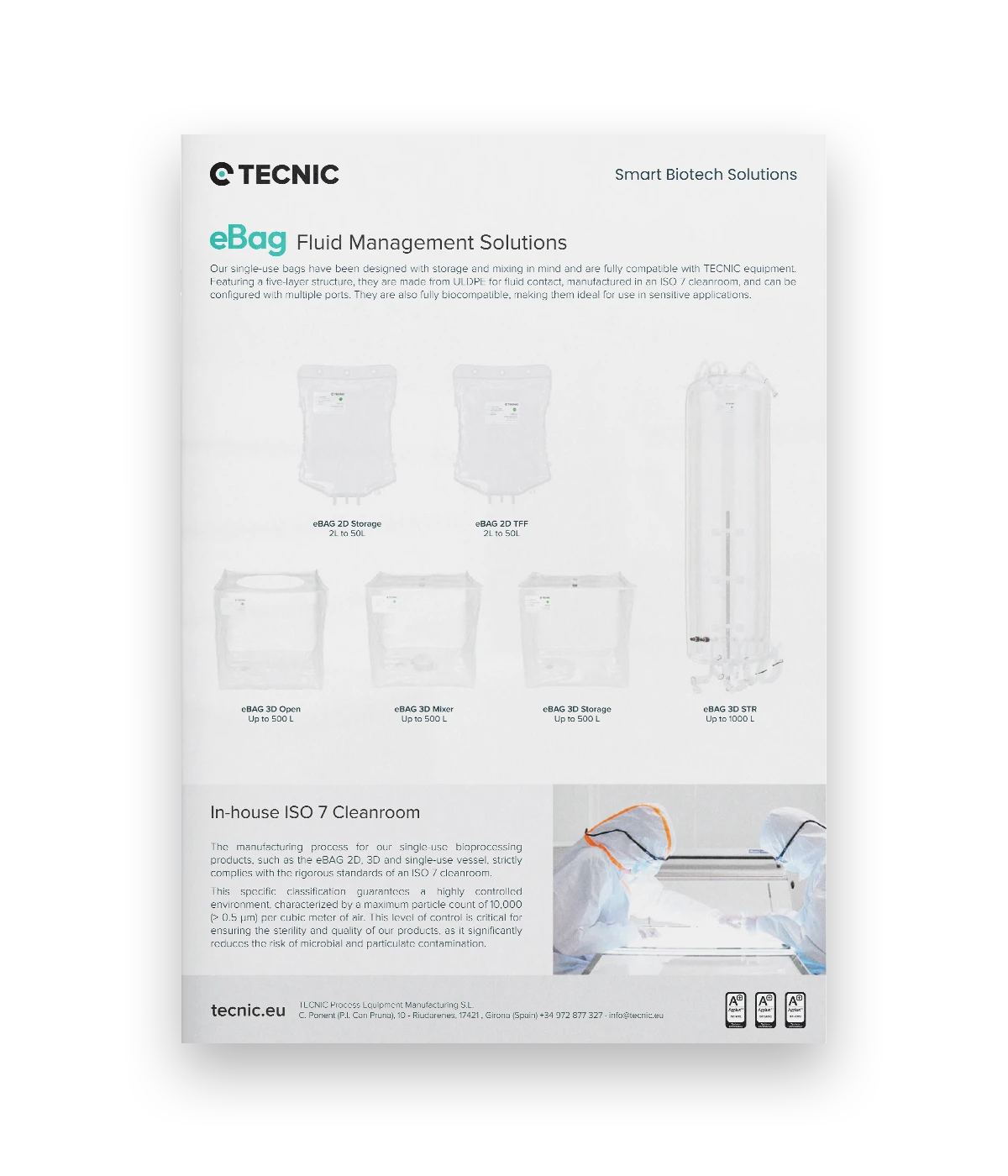
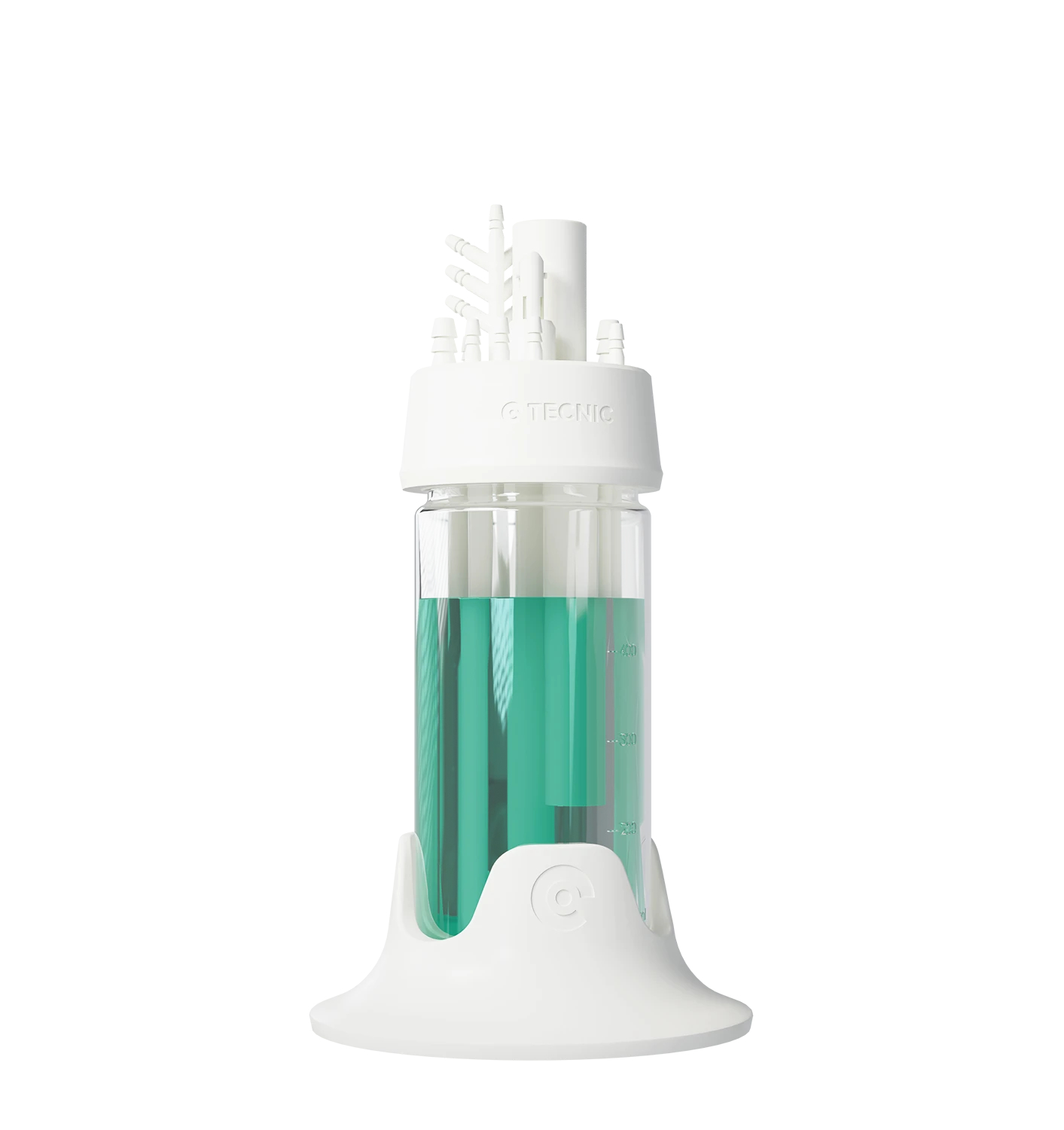
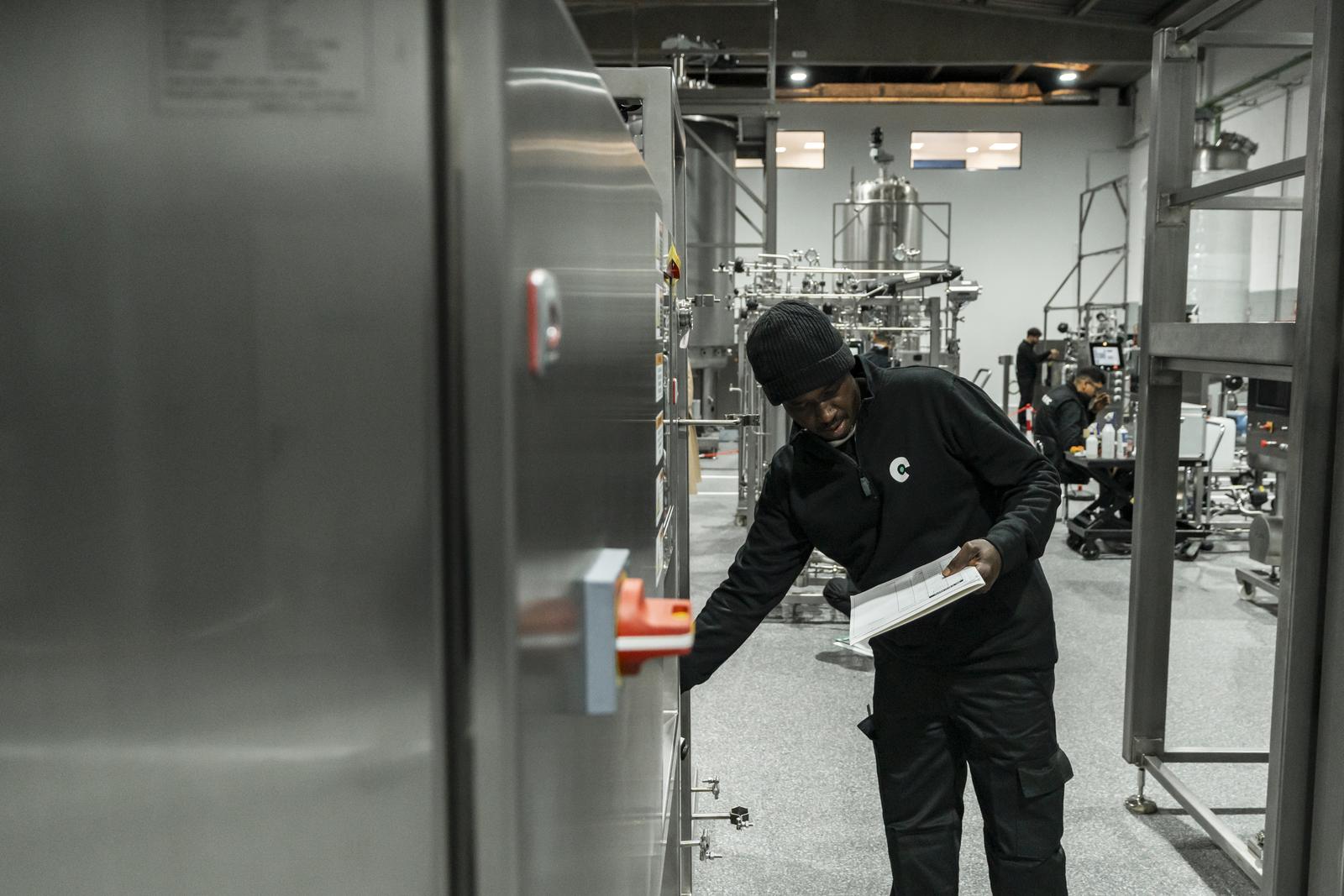
Our facilities are organised to support the full delivery cycle, from assembly and internal verification to packaging and shipment readiness. Dedicated areas enable structured build workflows, functional testing and documentation checks before dispatch. For single-use consumables, controlled manufacturing is supported by an ISO Class 7 cleanroom environment for defined handling and assembly steps, depending on product scope and project requirements.
Facilities
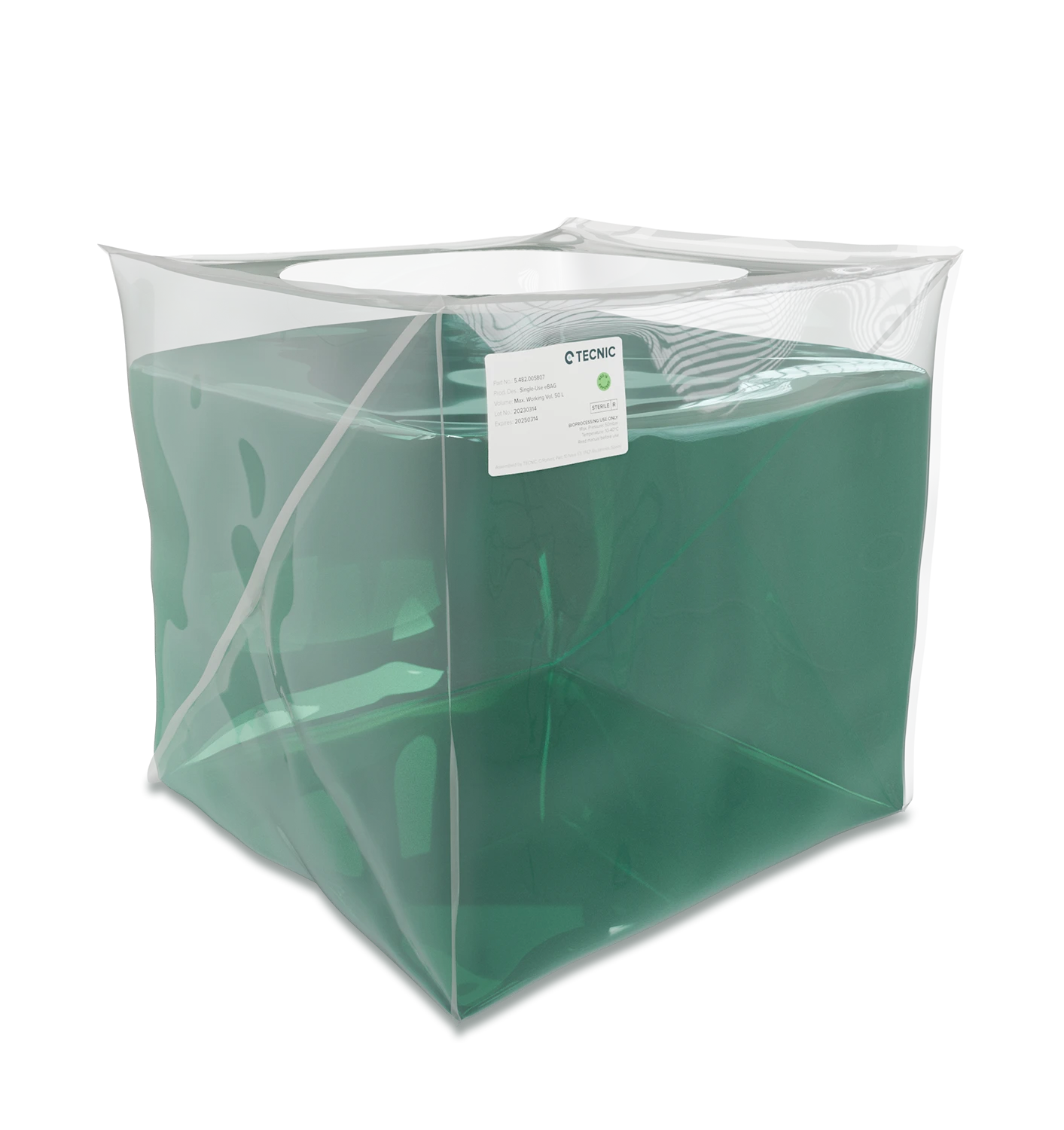
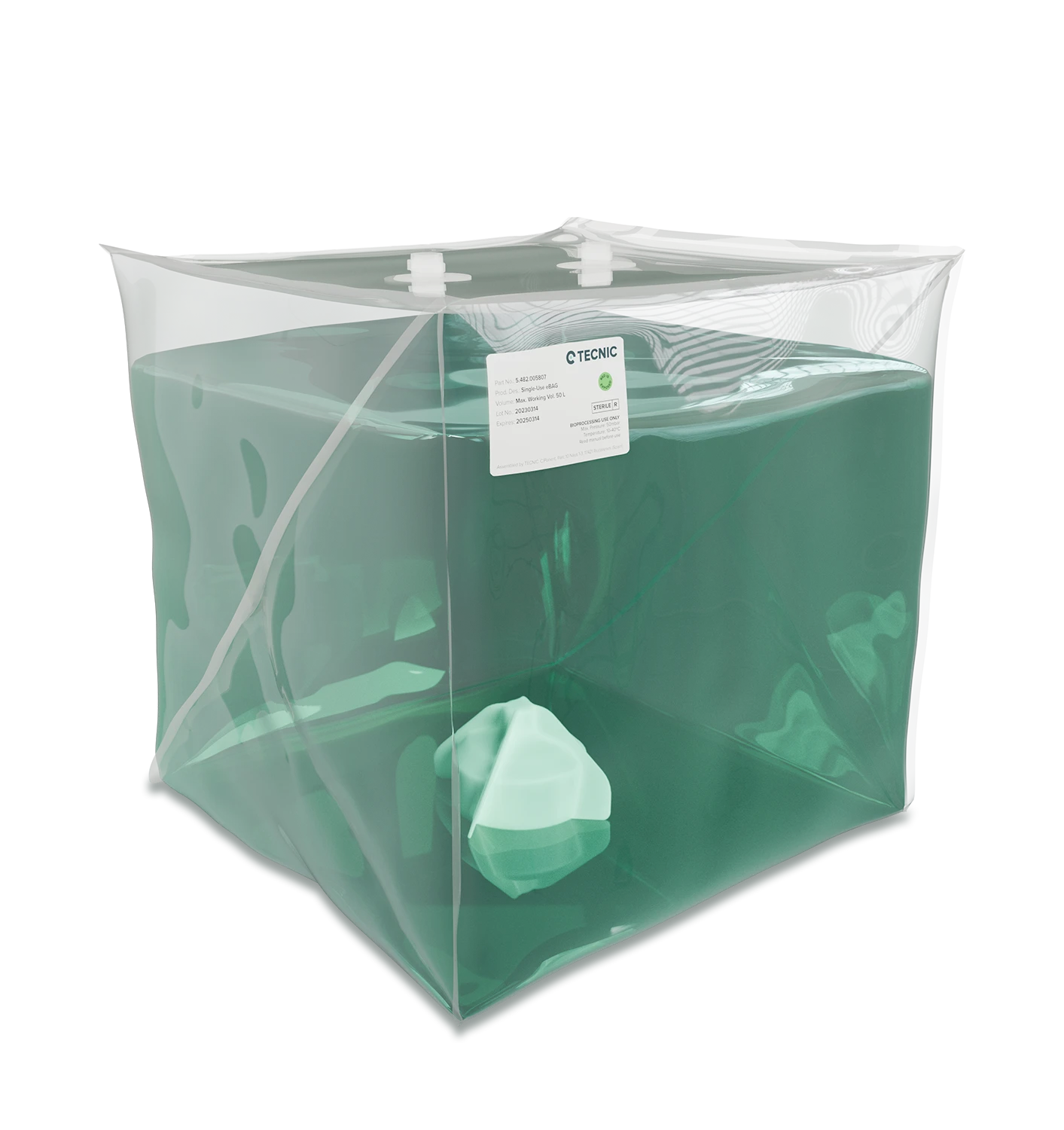
Single Use Facilities











What these capabilities look like in practice

Engineering & project control
We translate process and site requirements into an engineered scope, utilities, interfaces, constraints, and configuration decisions aligned with the project plan and acceptance criteria.

Automation, data and integration readiness
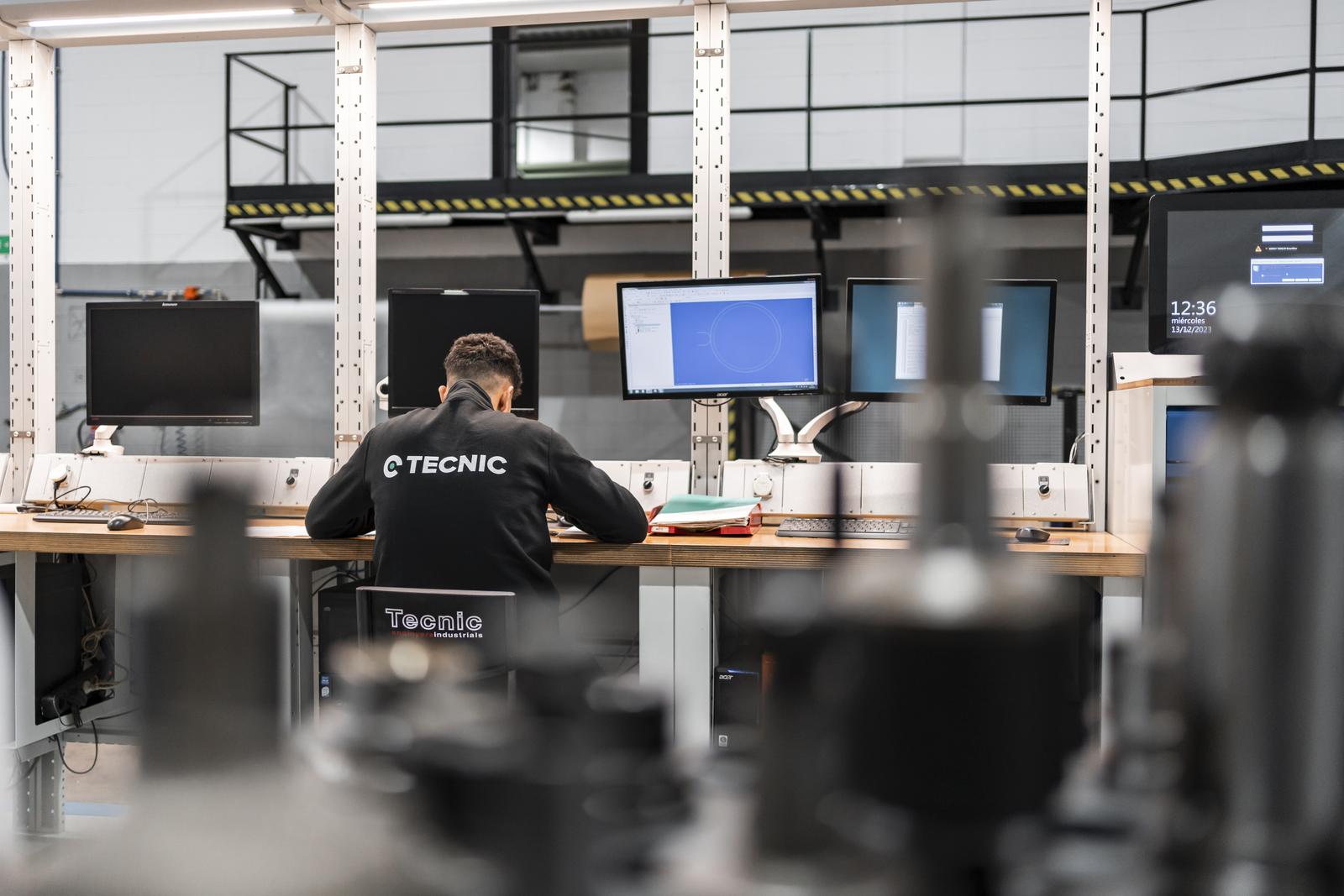
Industrial PLC + HMI with eSCADA features to support operating modes, alarms, trends, recipes and reporting. Integration can be aligned to customer IT/OT needs via Ethernet and OPC options.

Manufacturing and assembly
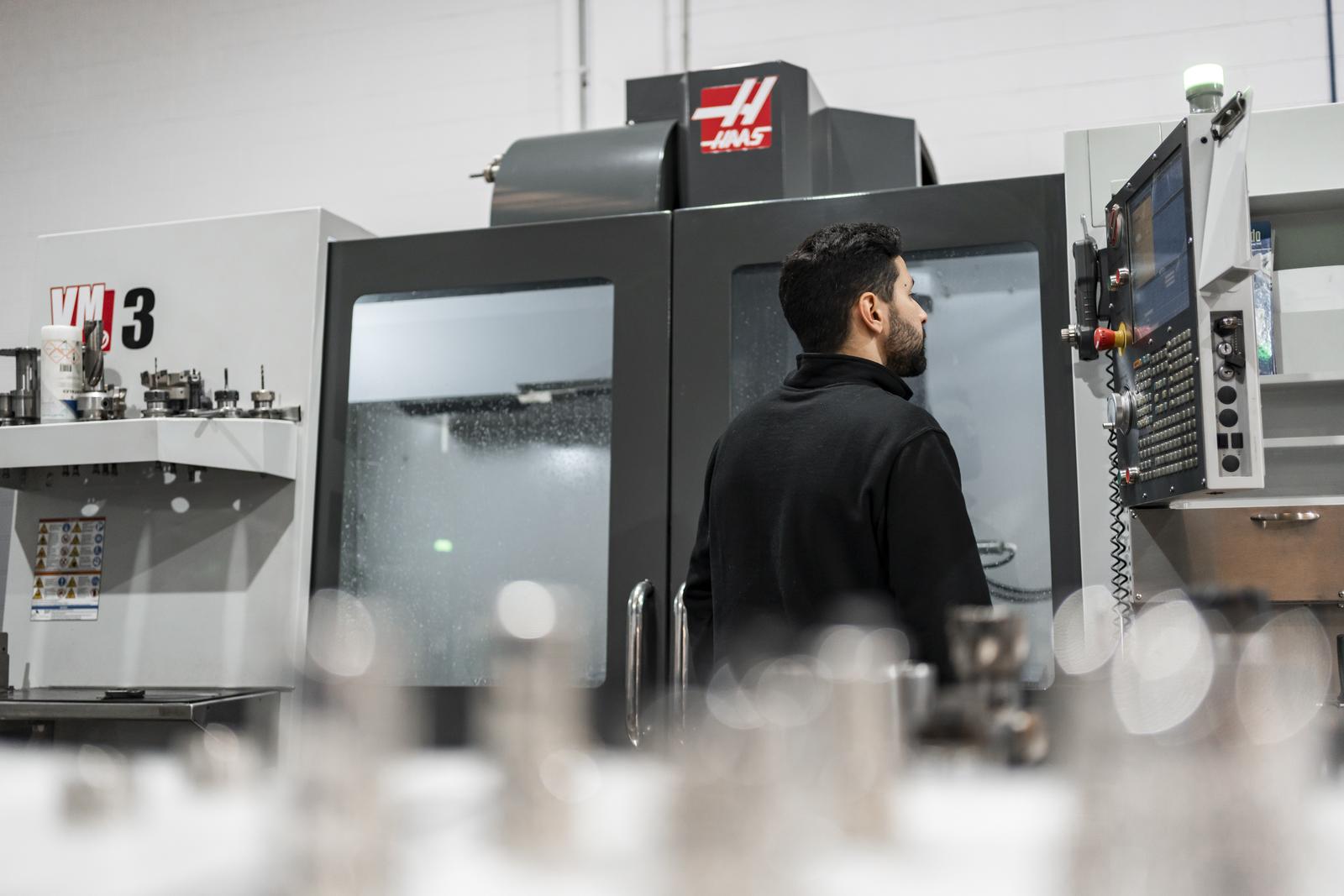
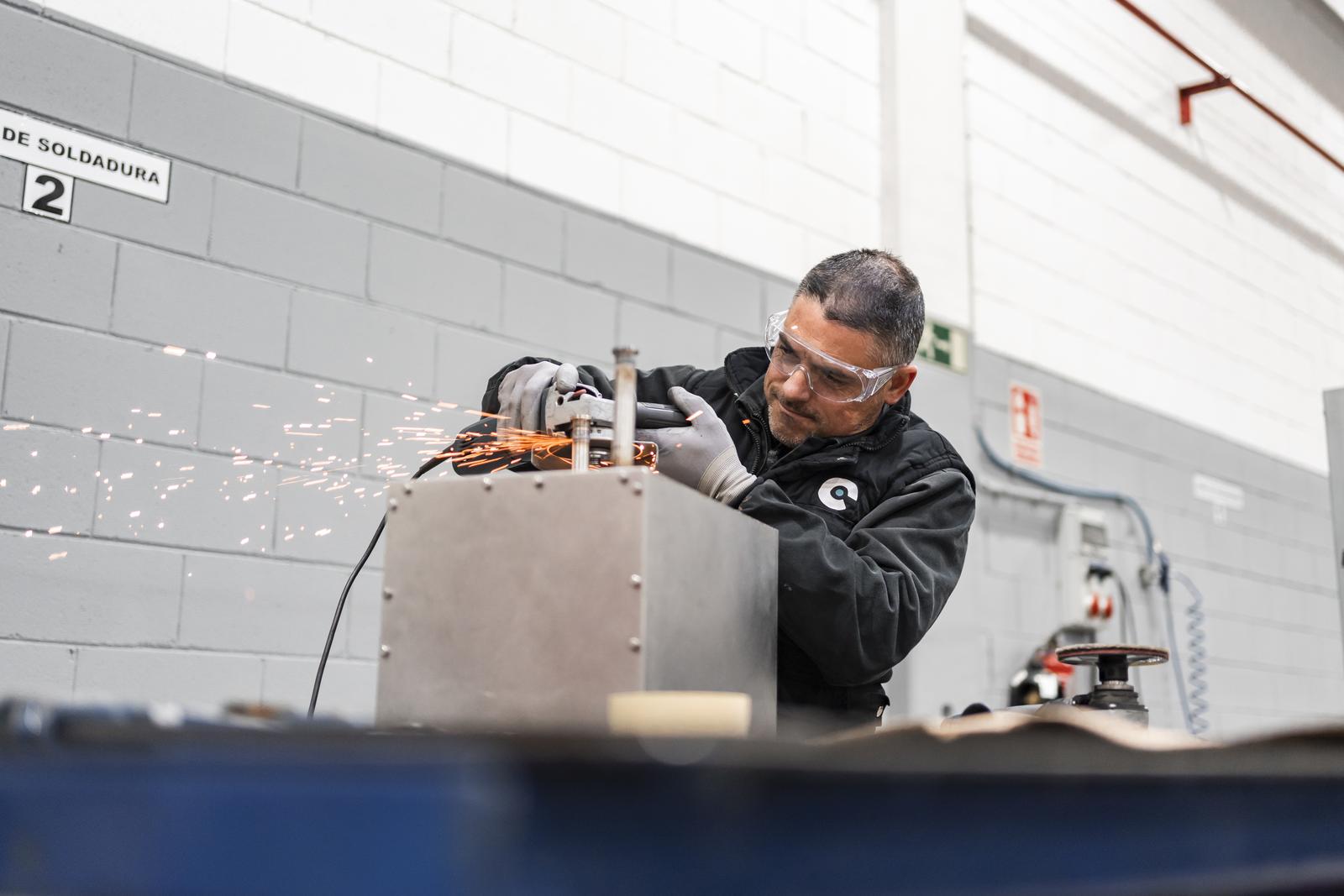
In-house manufacturing and assembly capabilities to deliver complete systems with controlled build processes, verification steps, and consistent documentation.

Facilities and infrastructure
Facilities organised for assembly, testing and shipment preparation. For single-use consumables, manufacturing is supported by an ISO Class 7 cleanroom environment for controlled handling and build.

Quality system and documentation
Structured documentation with revision control and traceability practices. Documentation packs can be expanded for regulated projects depending on requirements.

Testing, FAT and SAT support
Project delivery can include FAT and SAT activities defined by scope, including functional checks, control verification, documentation review, issue tracking, and handover support.

Service and lifecycle support
Support options can include commissioning assistance, training scope definition, preventive maintenance planning, and spare parts kits, depending on the project and site needs.
Swipe or scroll to explore all capabilities.