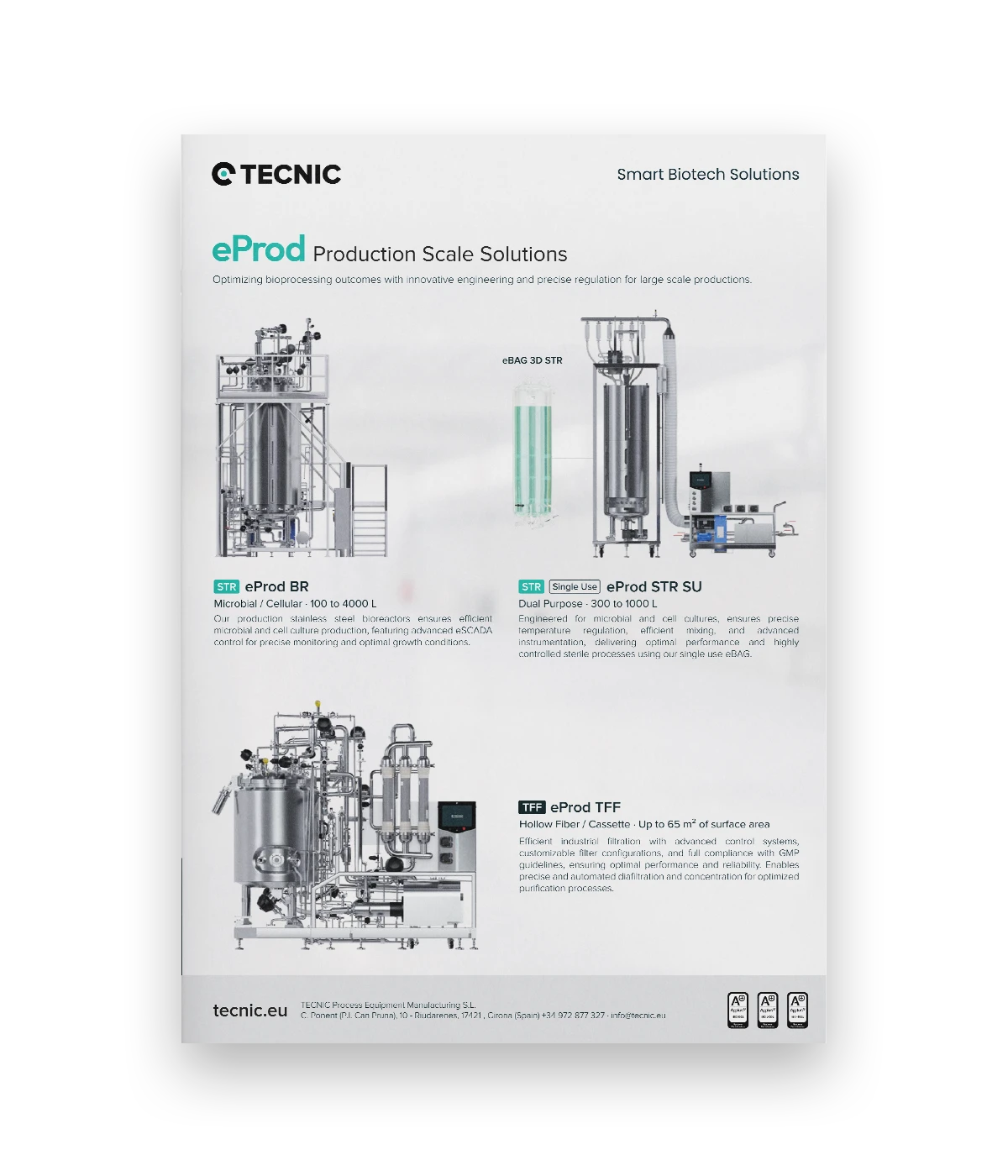
Discover lab equipment for your research

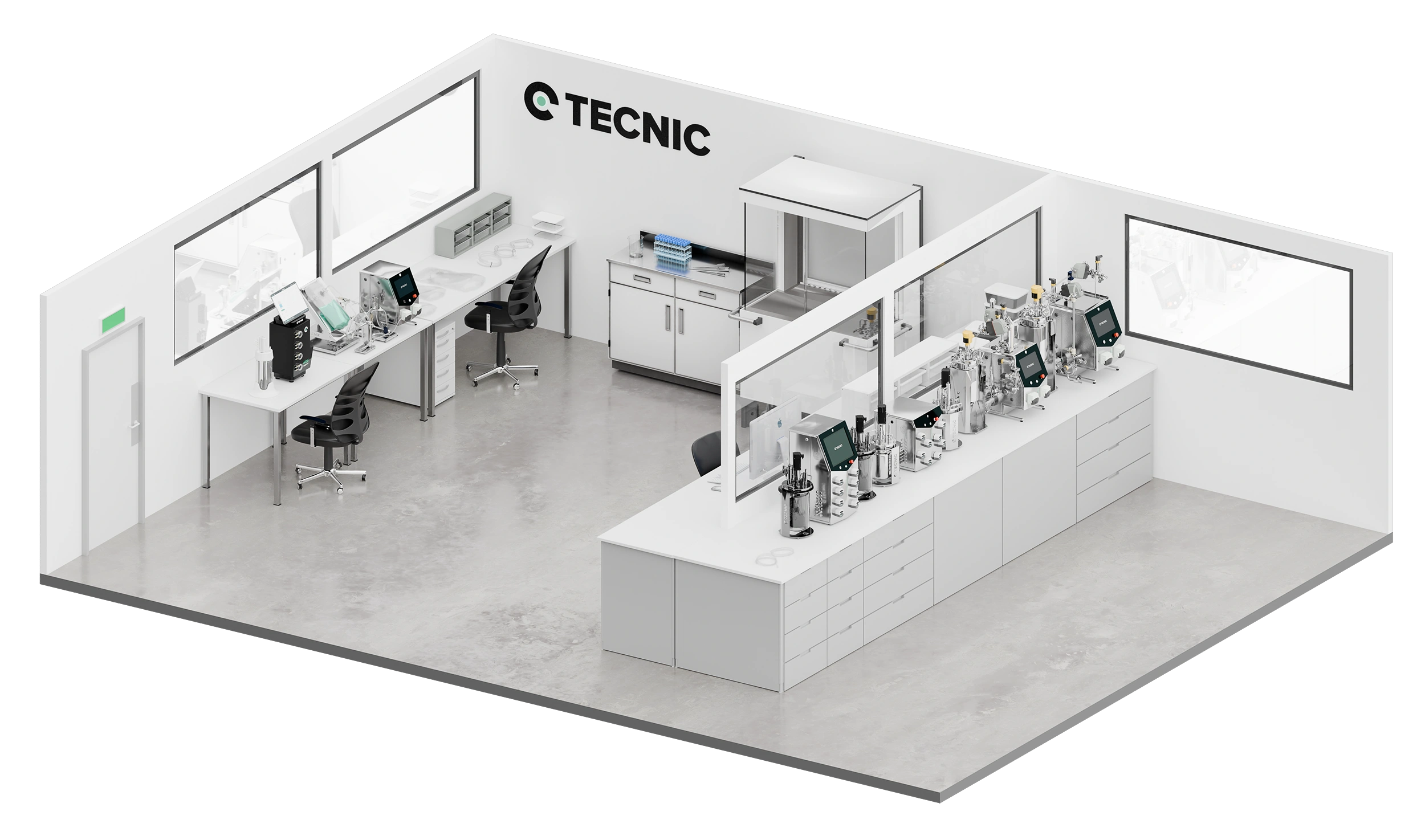
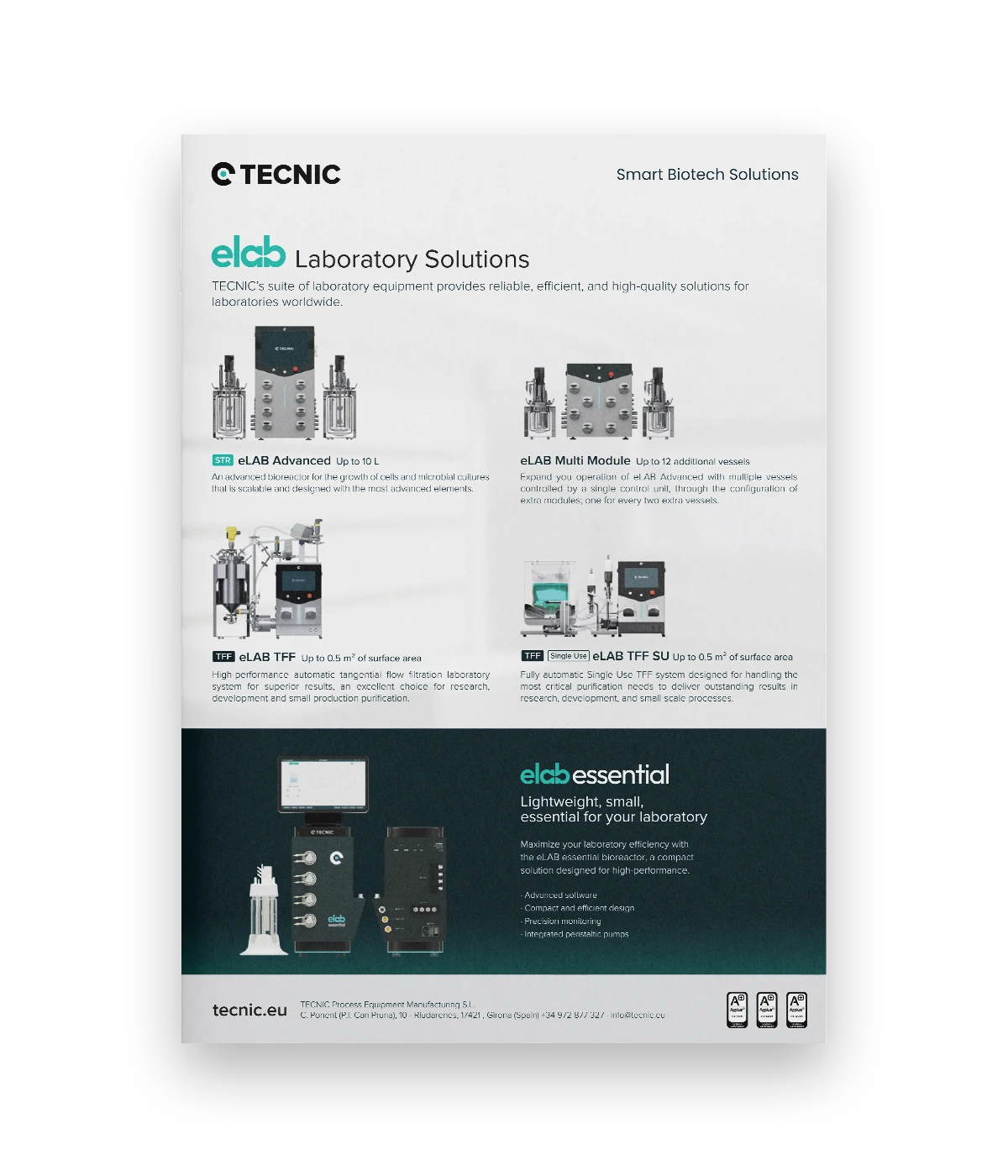
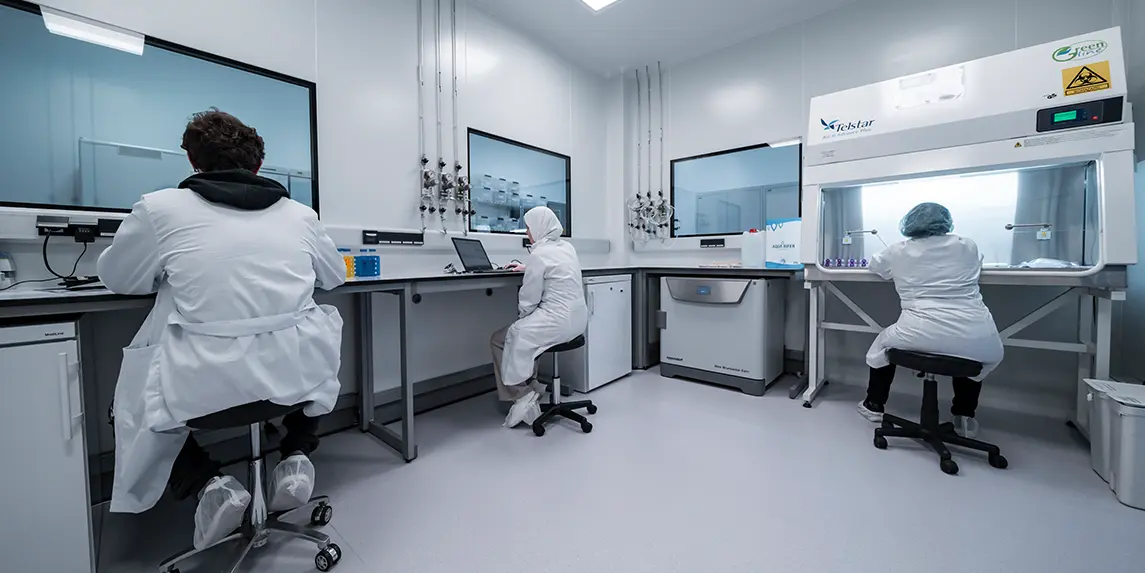
At TECNIC, we are proud to offer an extensive range of lab equipment designed to meet the needs of research centres, universities, etc. Our catalogue of lab equipment includes innovative, high quality equipment that ensures that every research process is carried out with maximum precision and effectiveness. We recognise that, in the scientific field, having the right equipment is fundamental to the success of any R&D project. That's why we are dedicated to providing solutions that not only meet the highest quality standards, but also facilitate and optimise day-to-day laboratory activities.

Our lab equipment is designed to cover a wide range of applications and needs, from basic research to the most advanced studies. We strive to keep up to date with the latest advances in technology, incorporating the latest innovations into our products to ensure that our customers always have access to the most advanced and efficient tools on the market.

Lab equipment for research

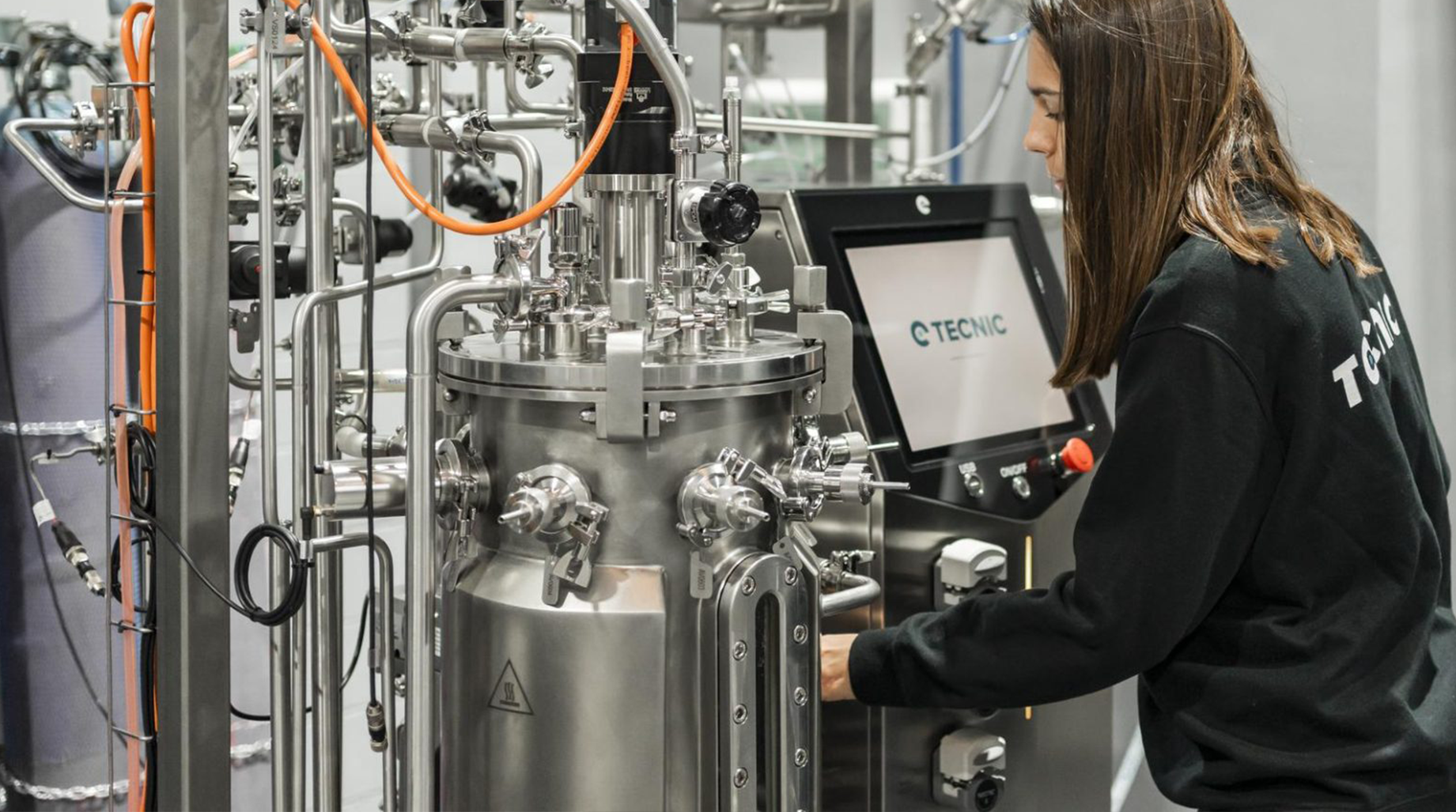
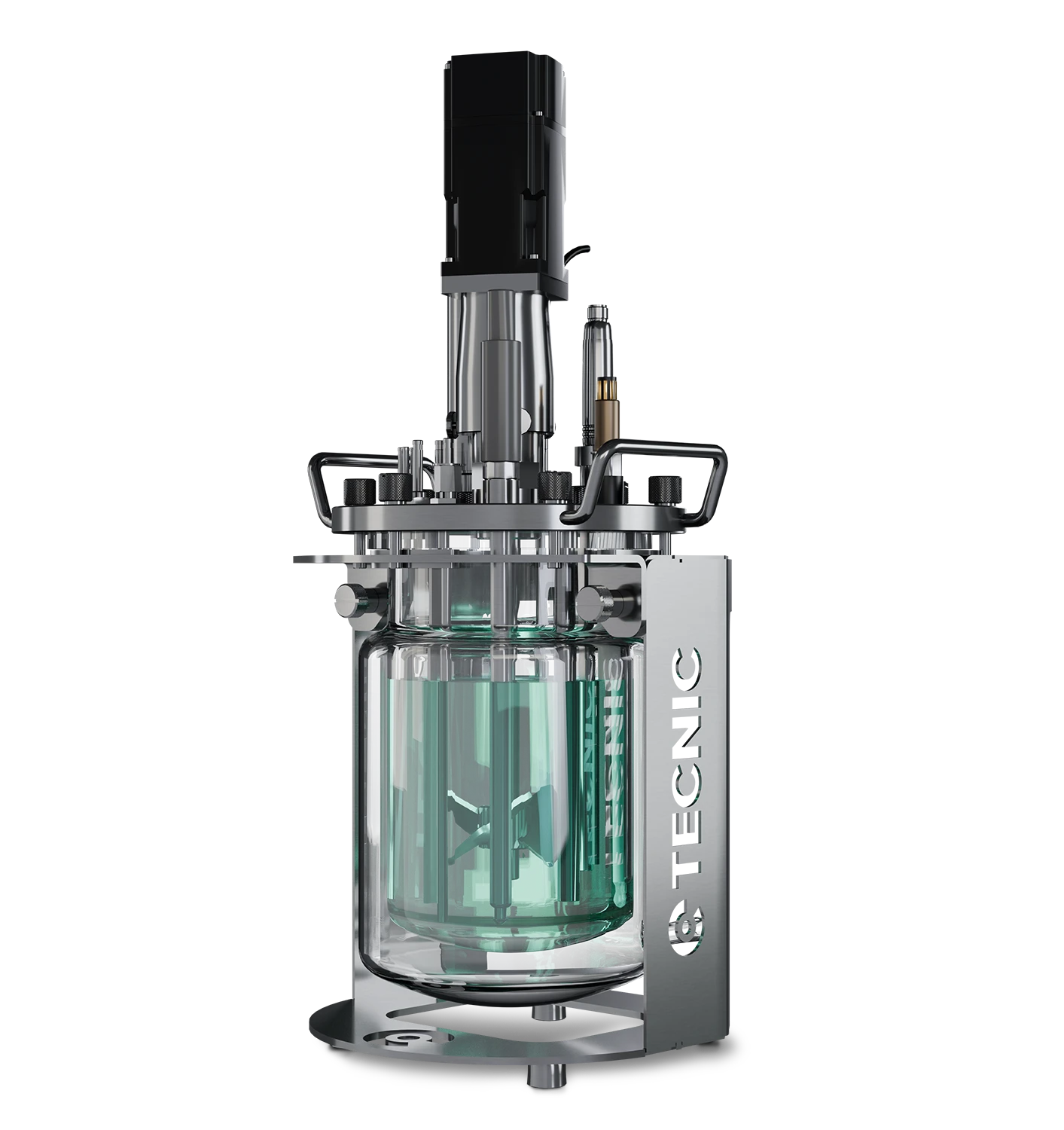
One of the cornerstones of our lab equipment are bioreactors. We have small-scale bioreactors that are ideal for the initial development of cell cultures and biotechnological processes. They allow precise control of culture conditions such as temperature, pH and oxygenation, ensuring an optimal environment for cell growth and development. Thanks to their advanced design, our bioreactors facilitate reproducible, high-quality results.

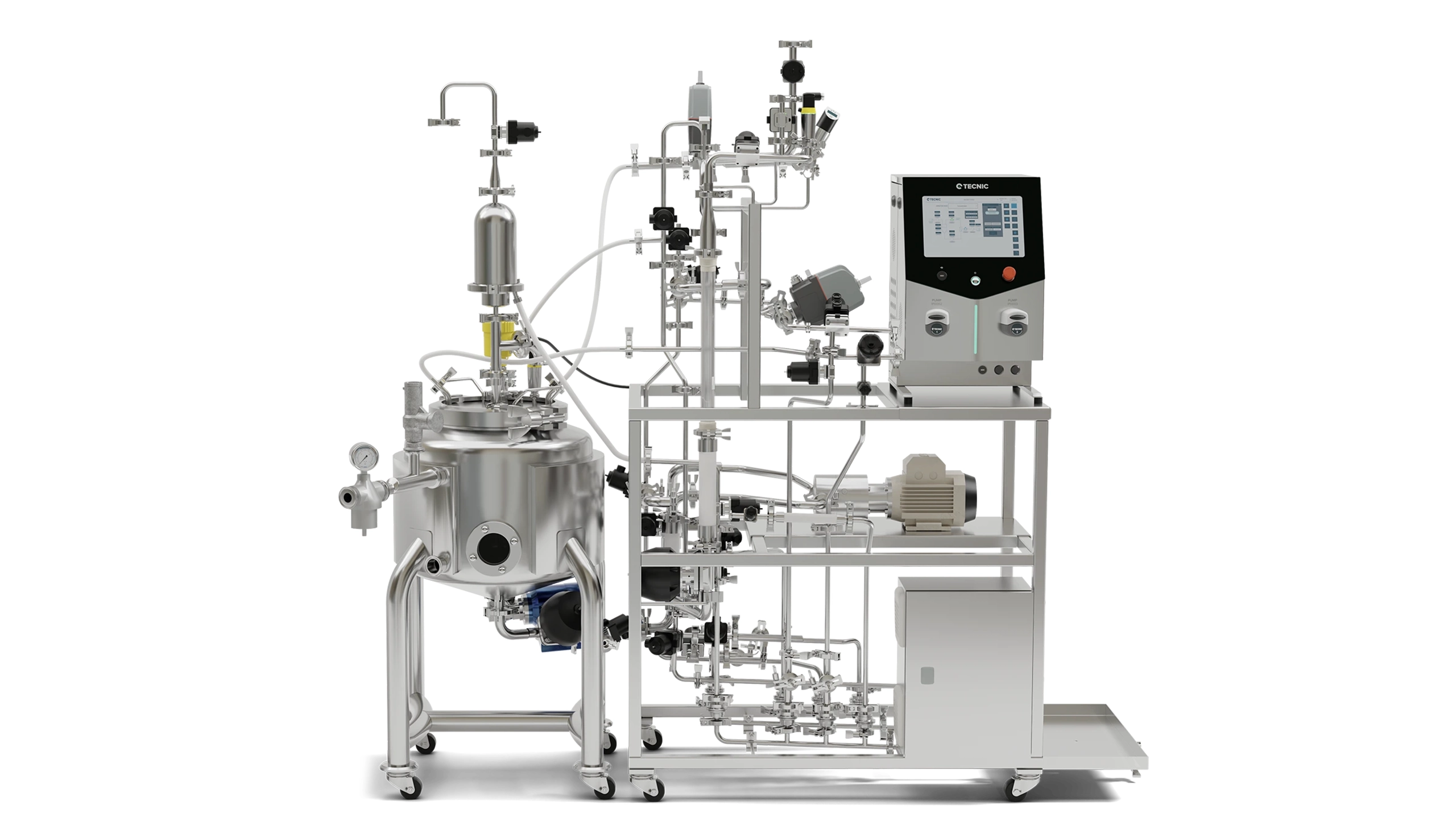
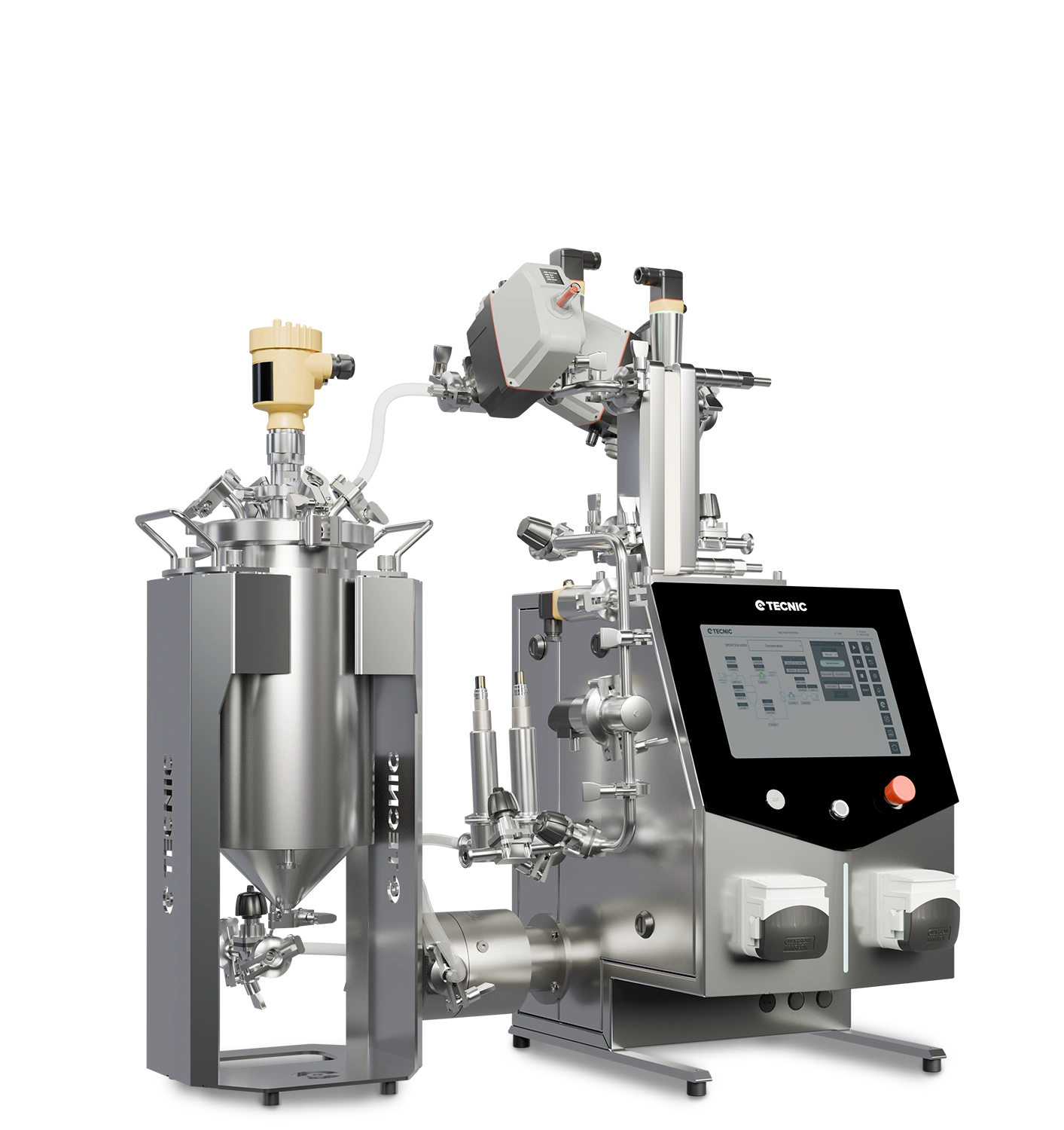
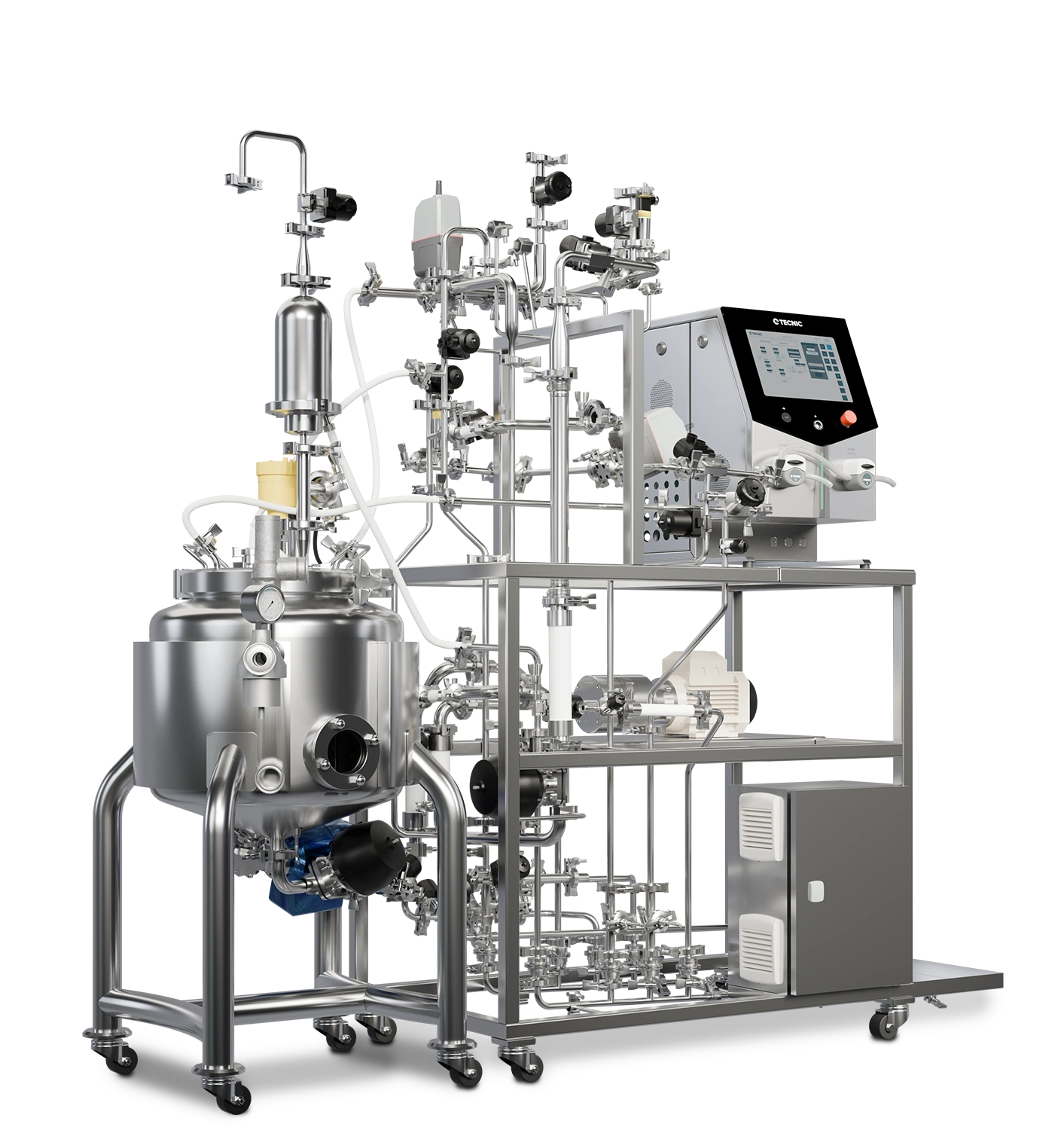
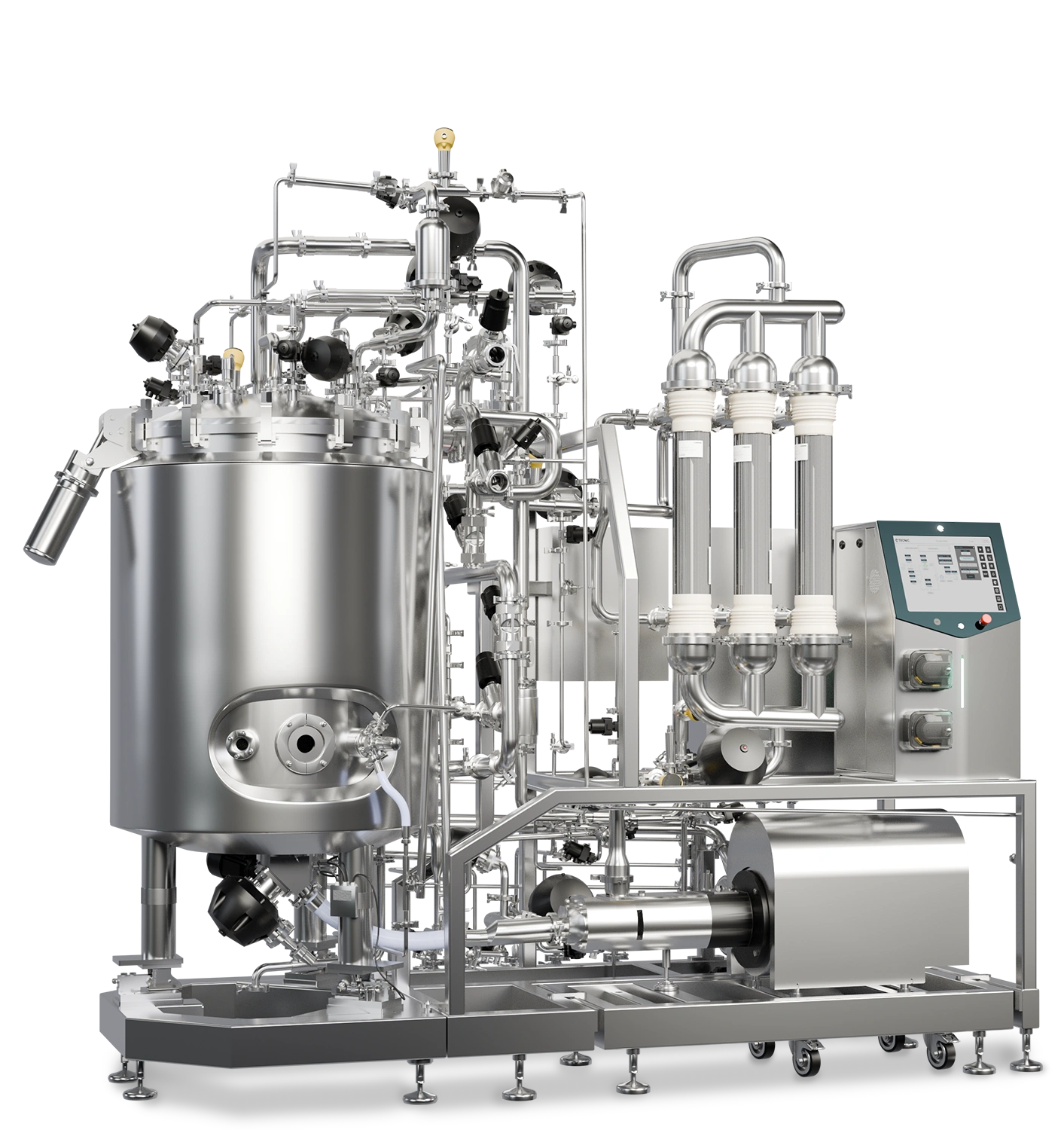
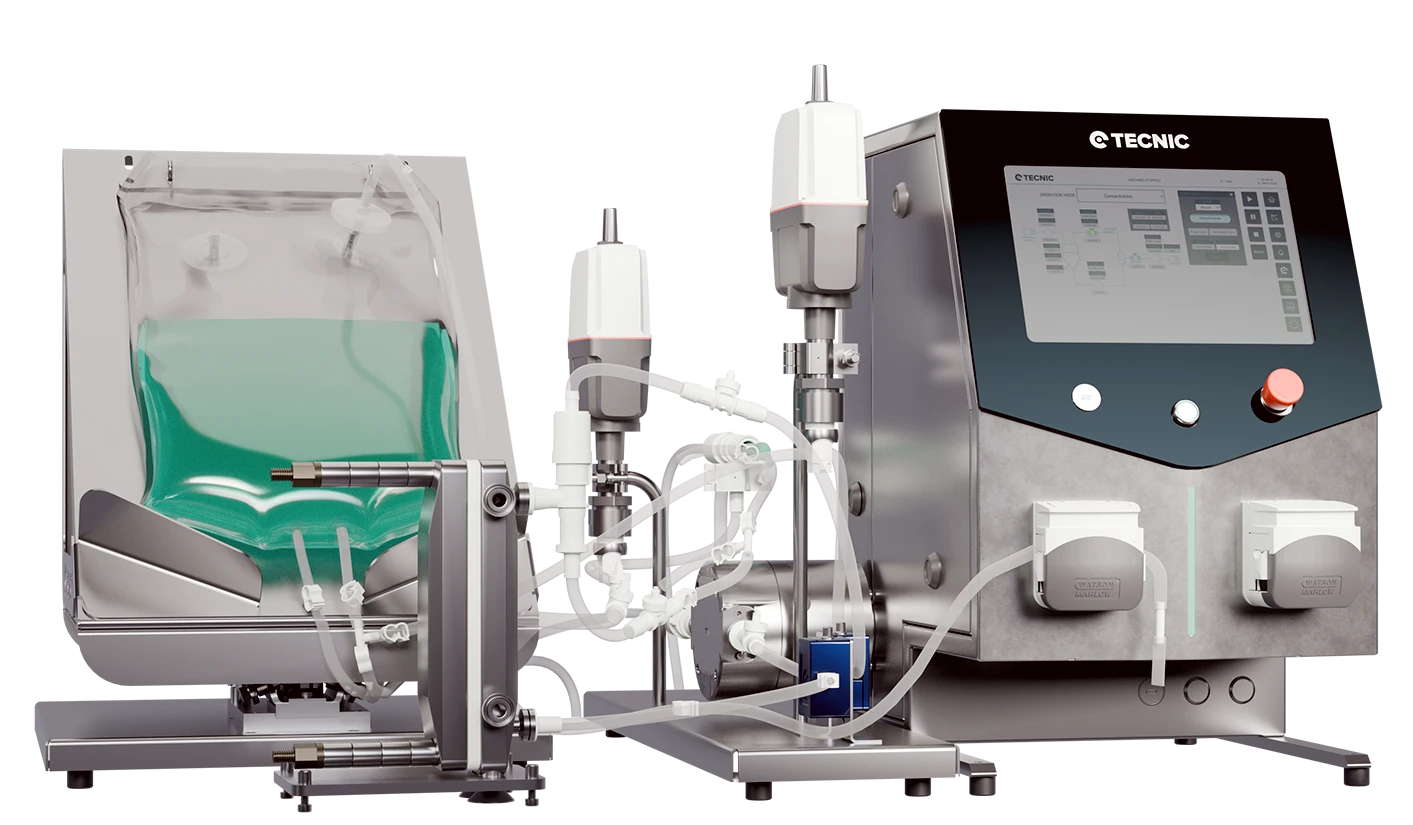
Tangential flow filtration (TFF) is another essential component in our family of lab equipment. TFF systems are essential for the purification and concentration of biomolecules such as proteins and antibodies in the laboratory. Our TFF systems are designed to be highly efficient and easy to use, enabling researchers to obtain purified products with high yield and purity. With our TFF systems, you can optimise your workflow and improve the quality of your results.

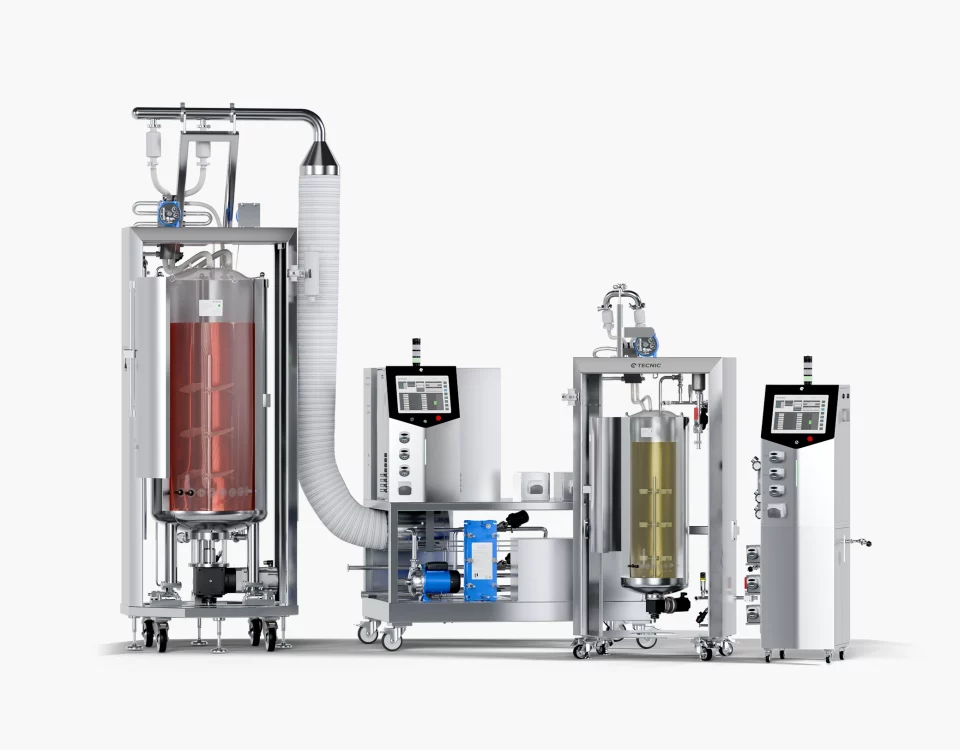
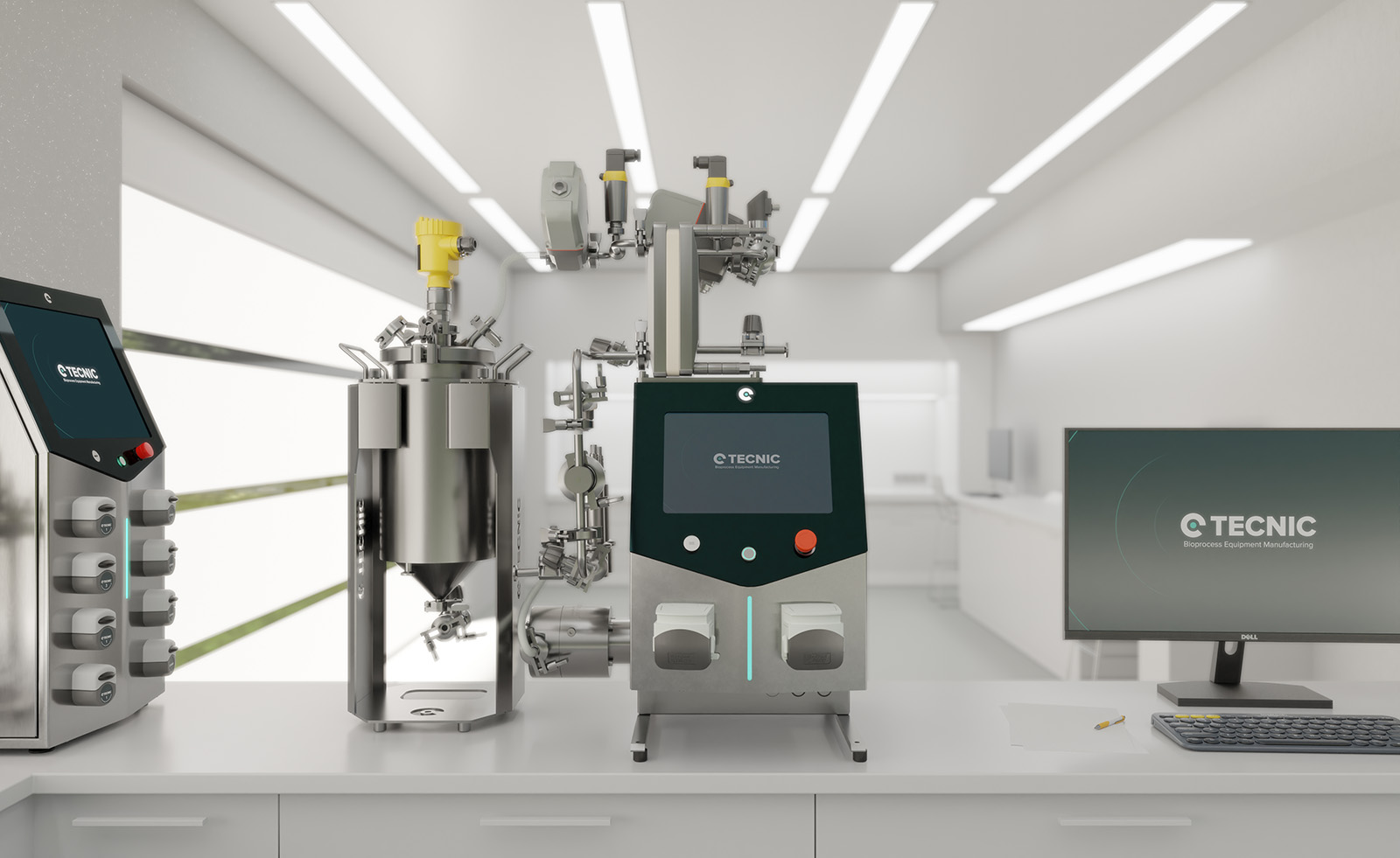
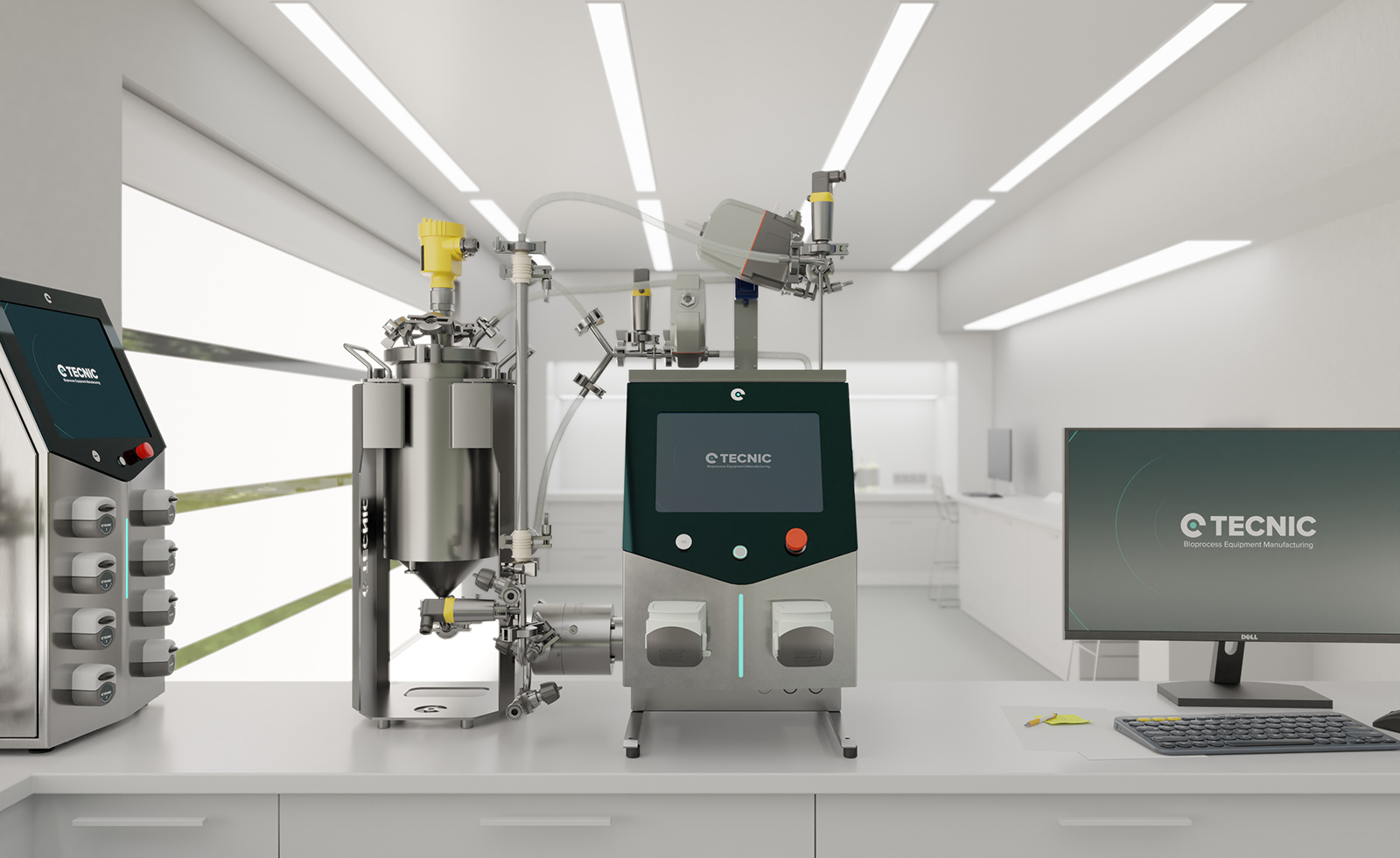
Image of eLAB Advanced Bioreactor, bioprocess technology by TECNIC, flanked by two stainless steel vessels

eLAB® Advanced enhances bioprocess technology with its versatile 1L to 5L bioreactor, ideal for advanced biotechnology research

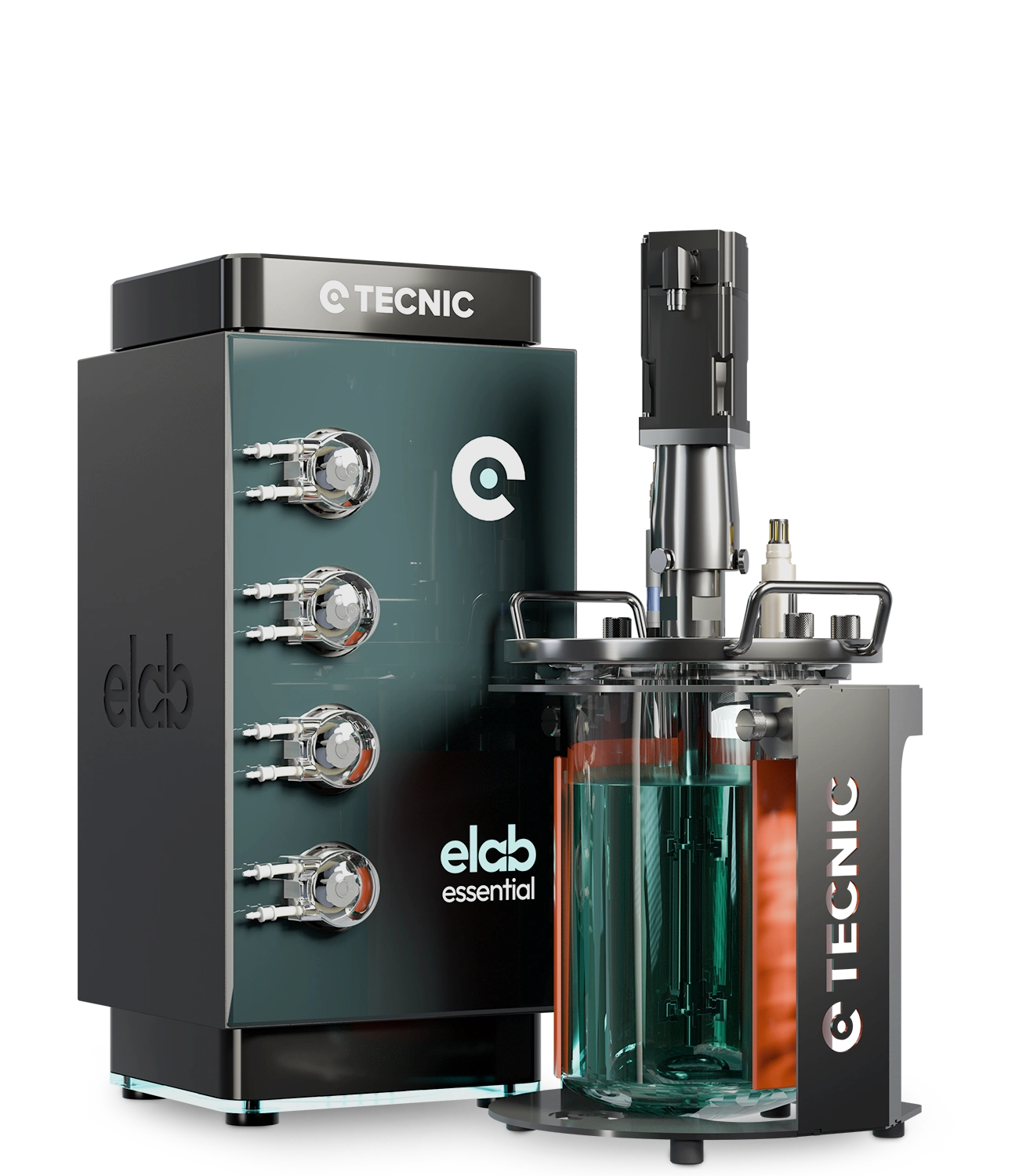
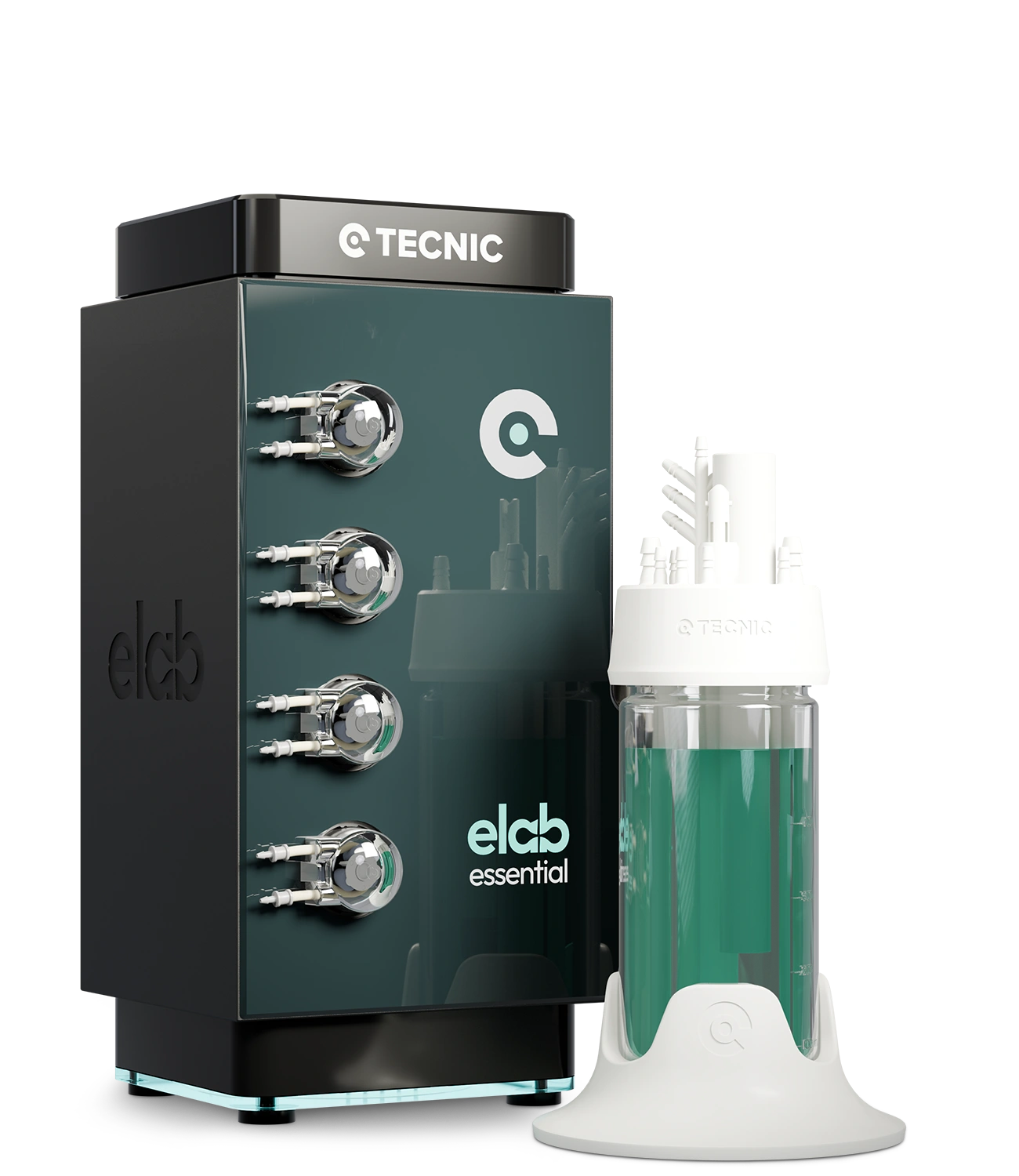
elab essential bioreactor witha tablet and single-use vessel

eLAB® Essential is a bioreactor that maximises laboratory space and ensures high efficiency, working in volumes from 0.5, to 5L.

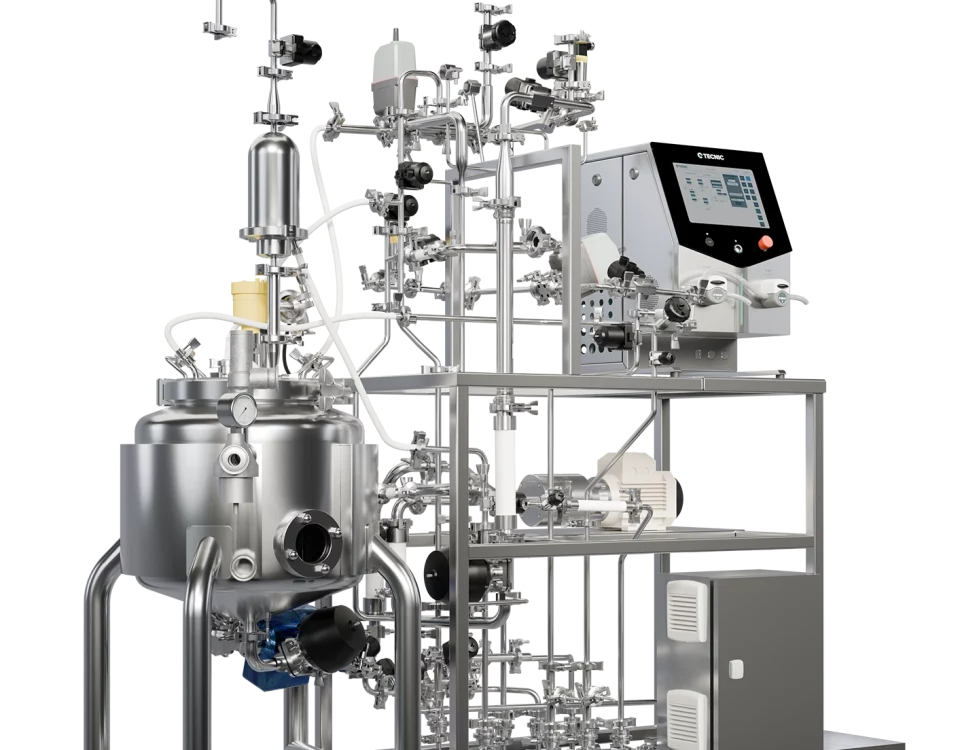
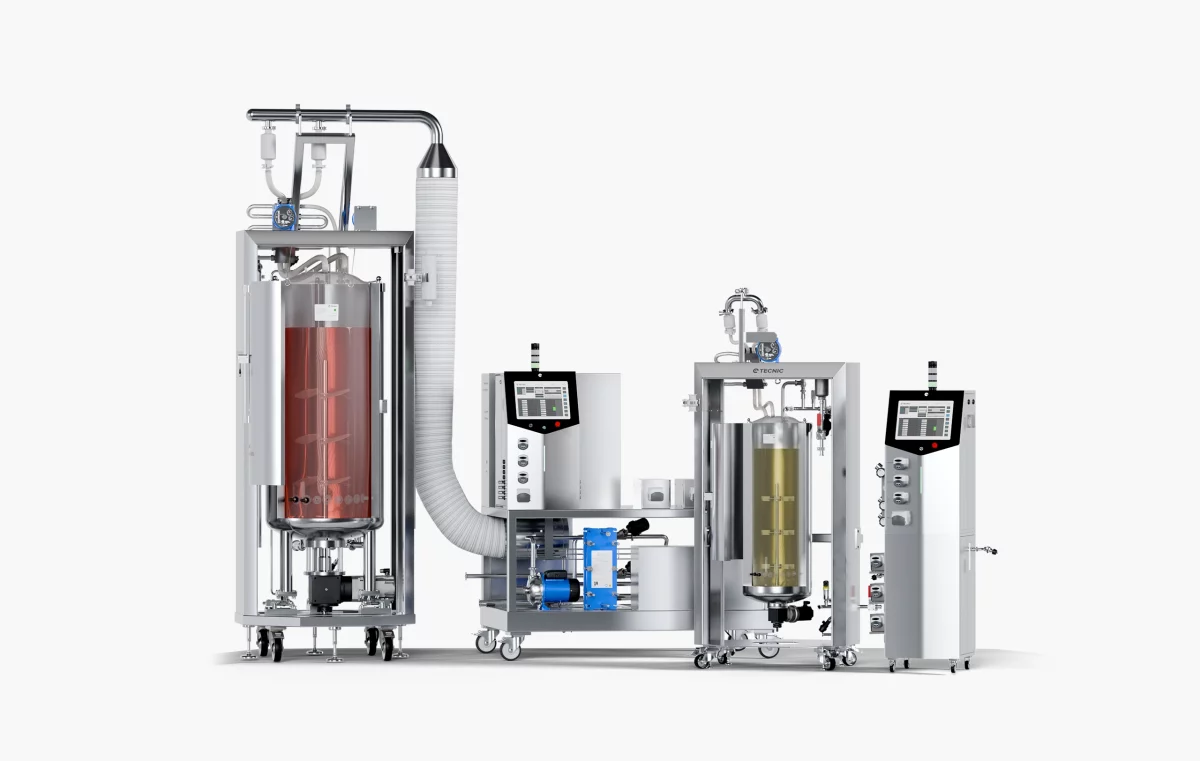
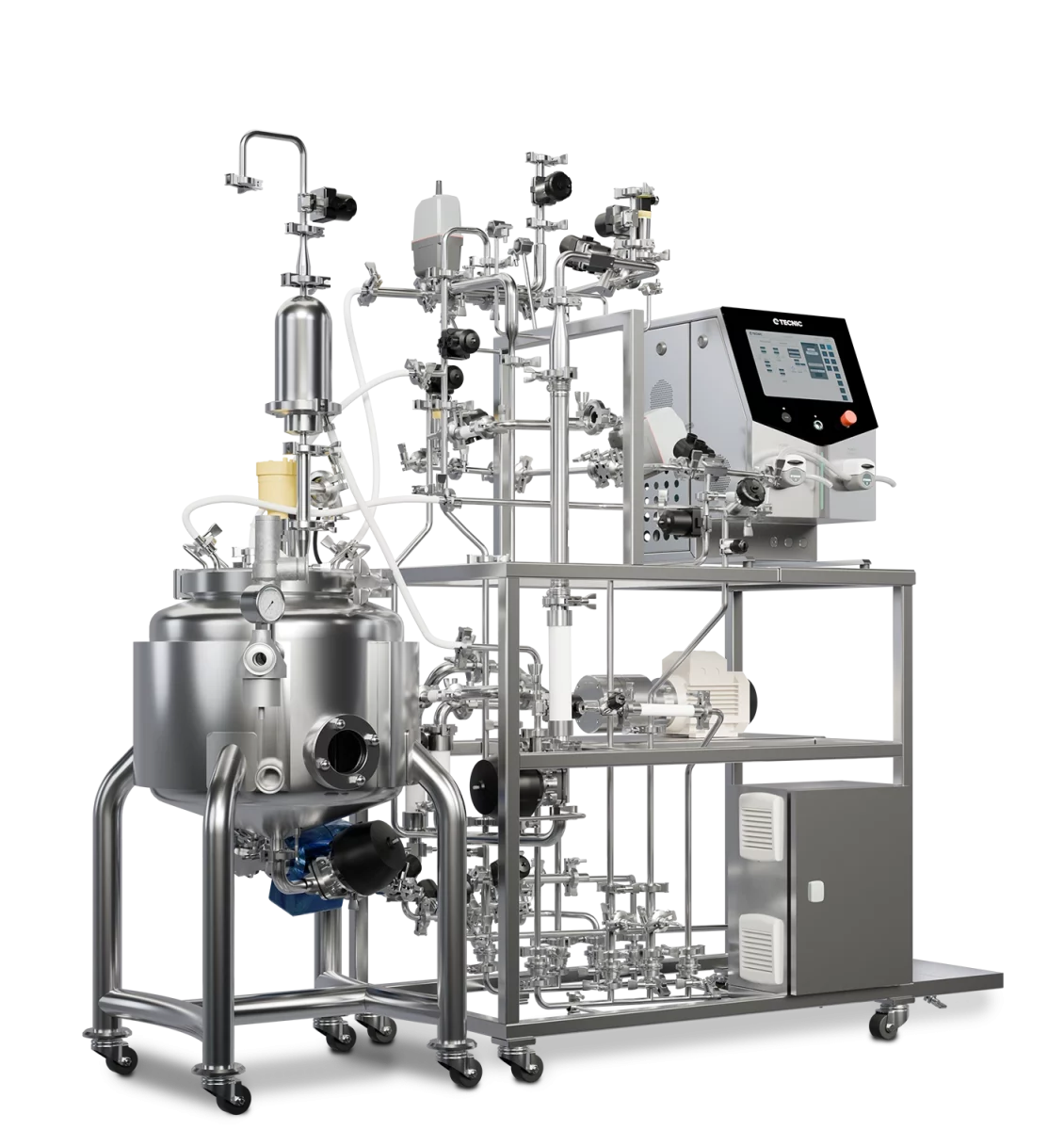
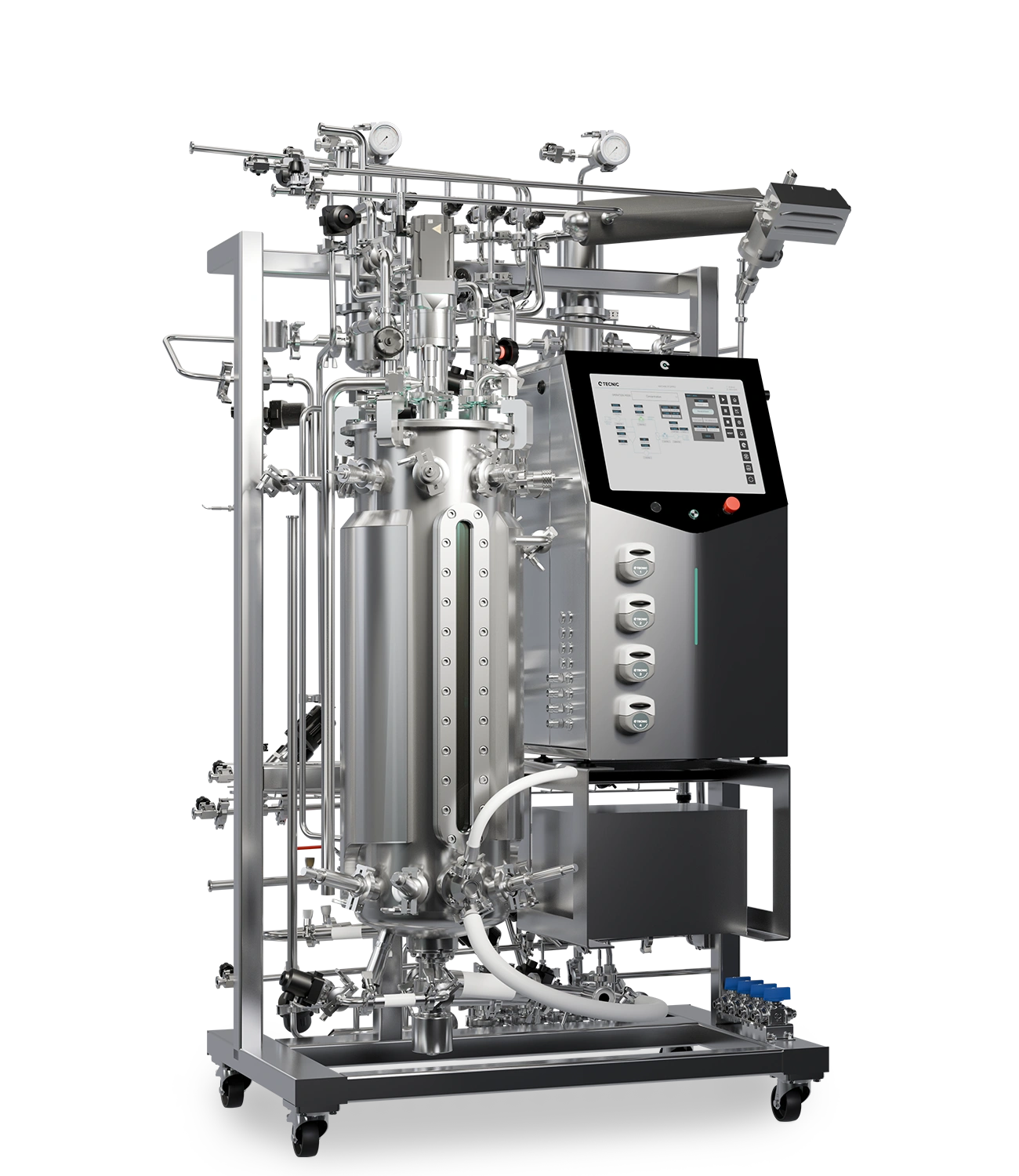
Tecnic's biotechnological equipment known as a tangential flow filtration multi use, together with its control tower, are made of stainless steel.

eLAB® TFF, for lab research, offers advanced filtration technology within 0.1-0.5 m² range for efficient and precise biotech lab.

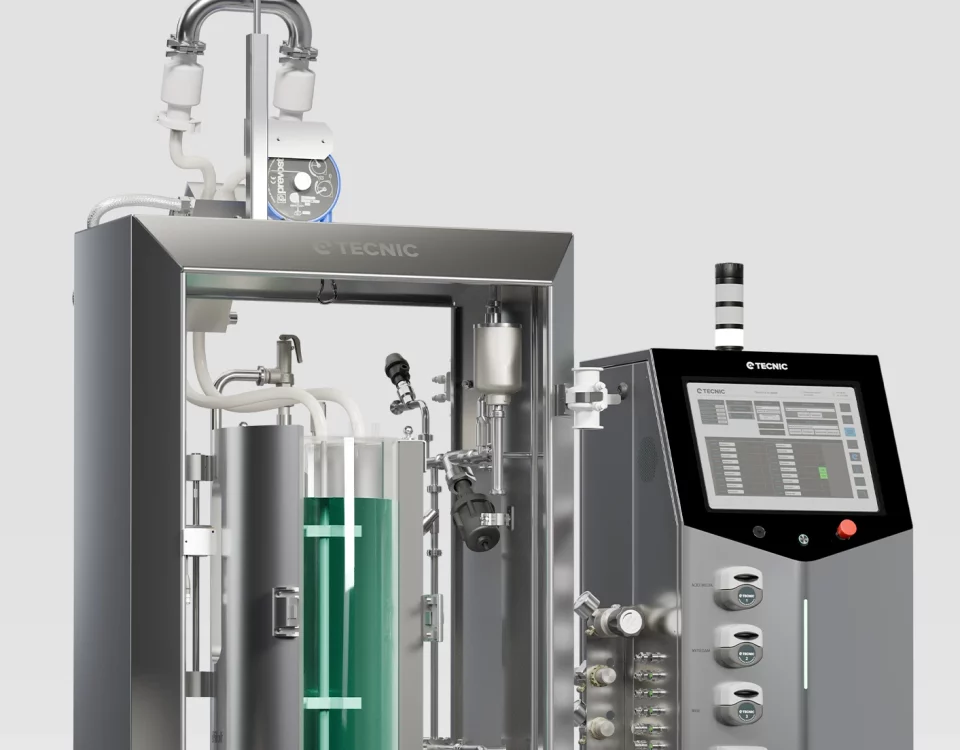
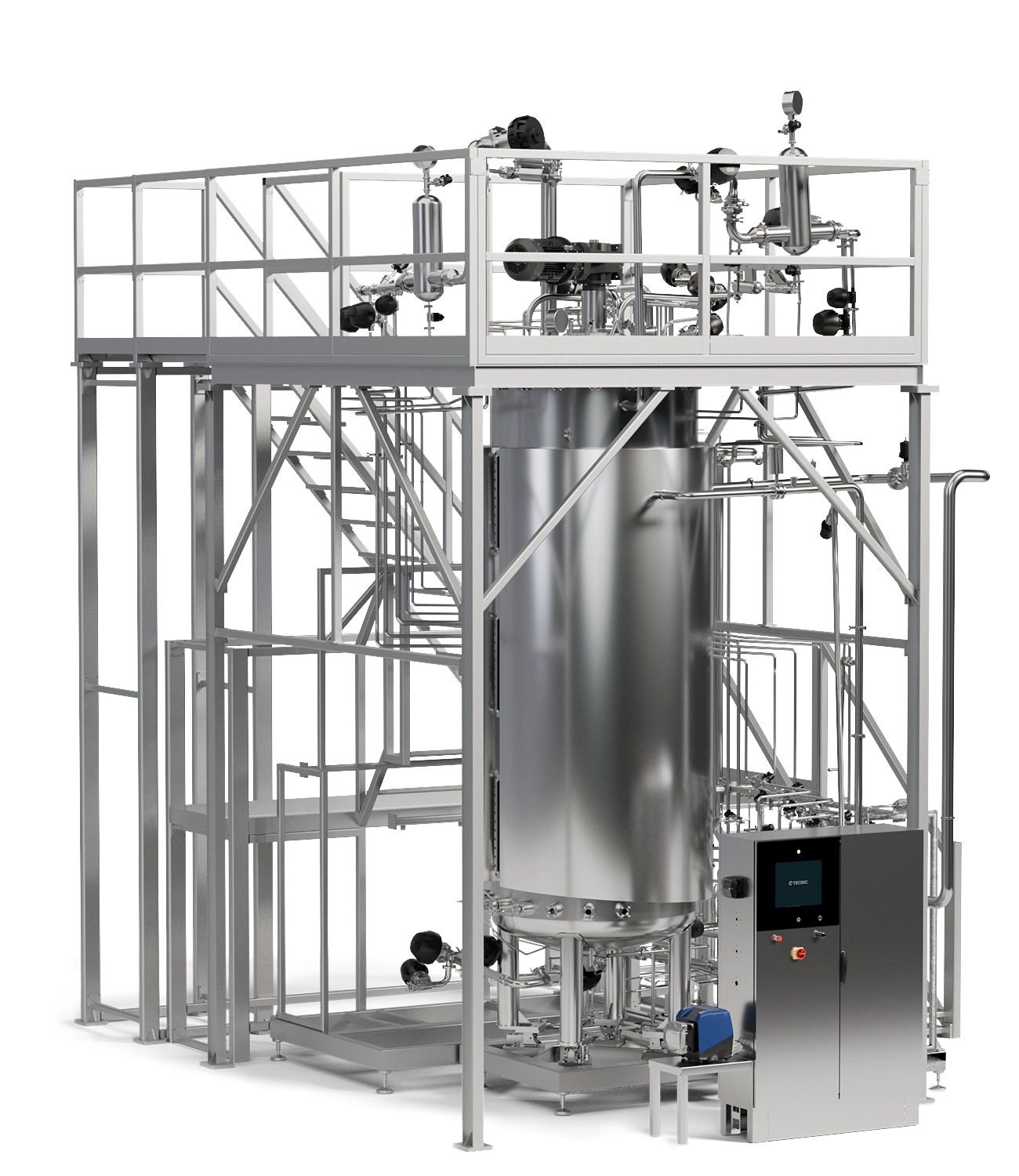
Tecnic's biotechnological equipment known as a tangential flow filtration single use, together with its control tower, are made of stainless steel.

eLAB® TFF SU, optimized single-use bioprocess equipment, features a 0.7 m² membrane for biomolecule purification.

Supplies for lab equipment

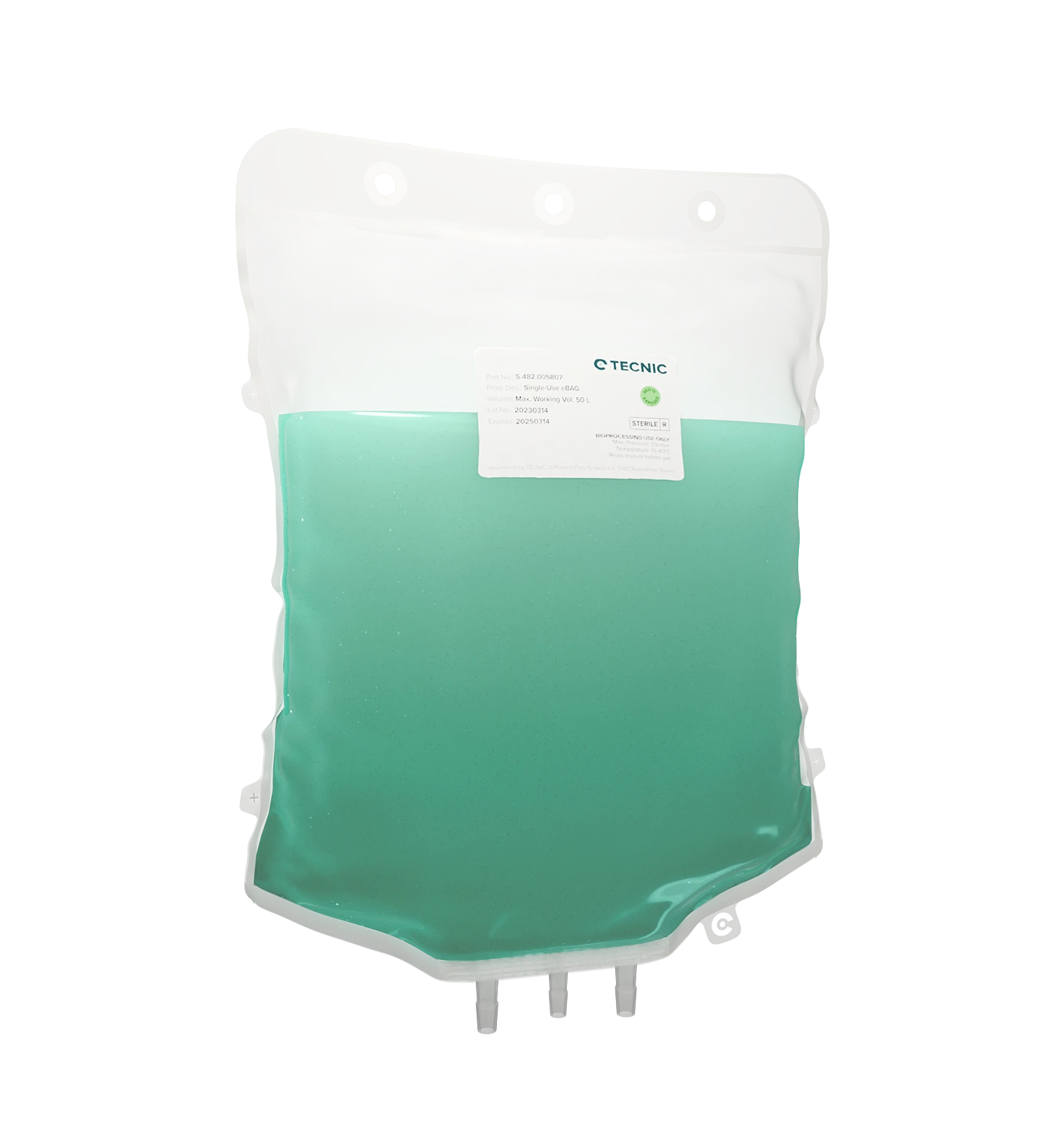
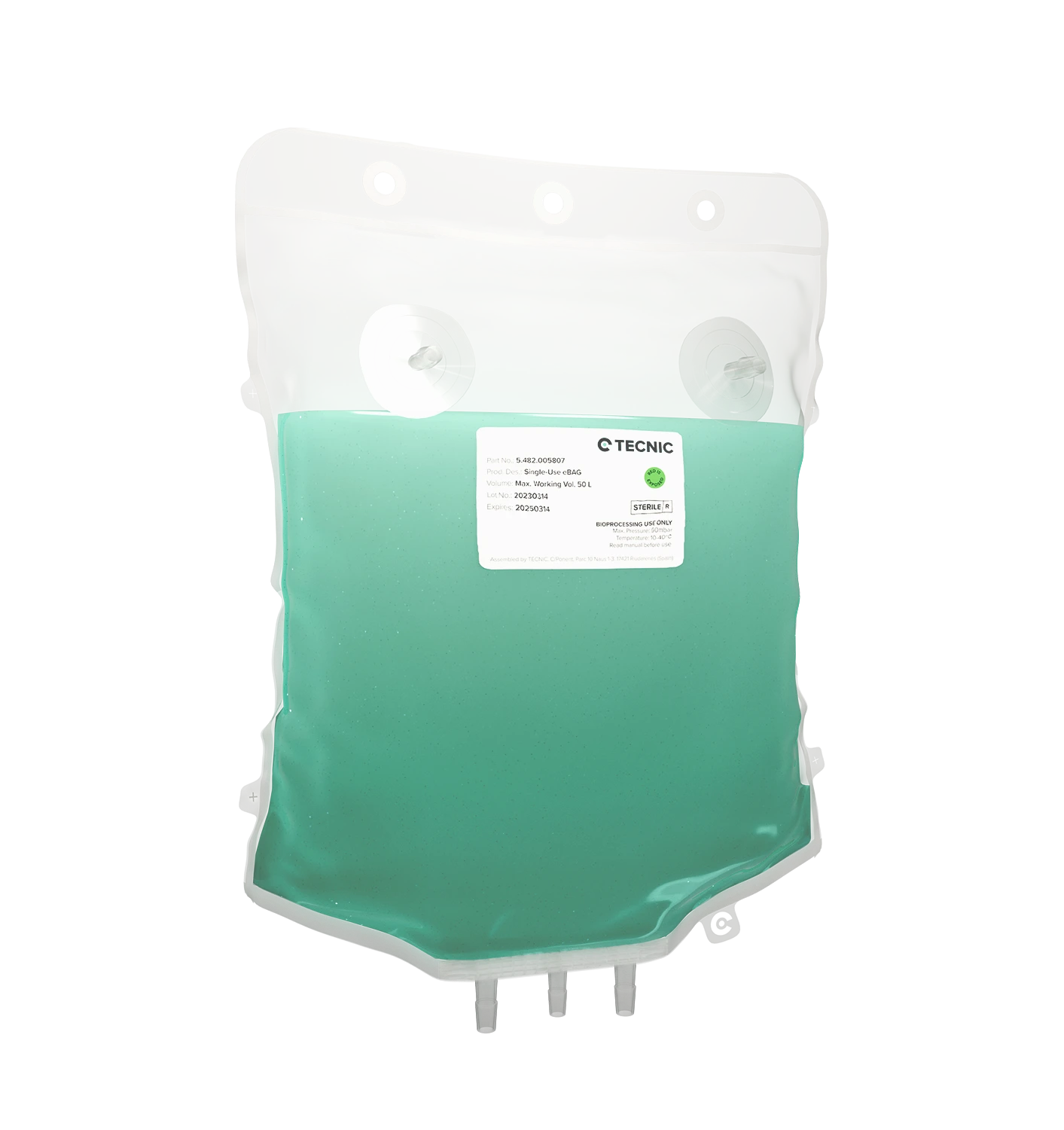
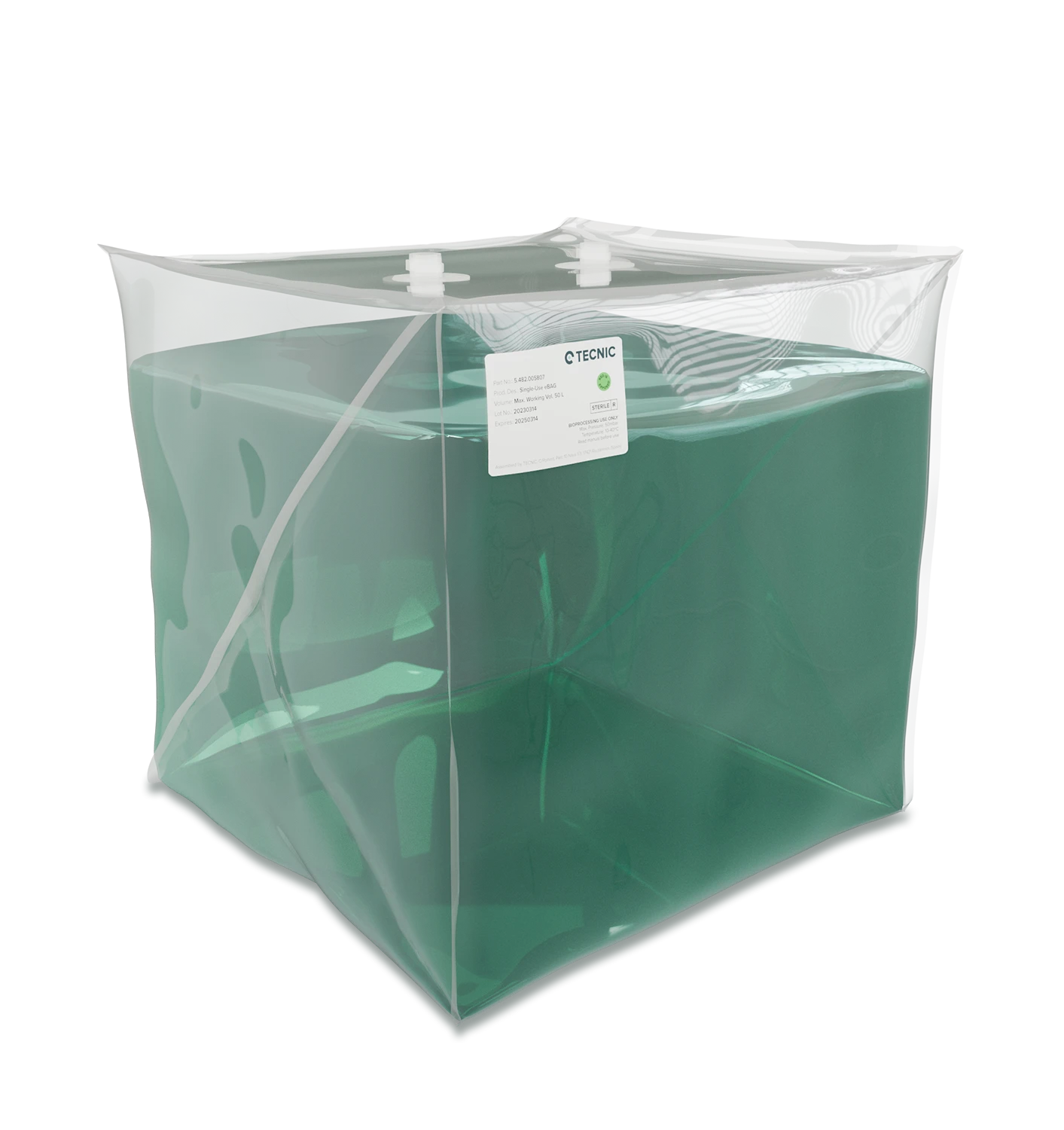
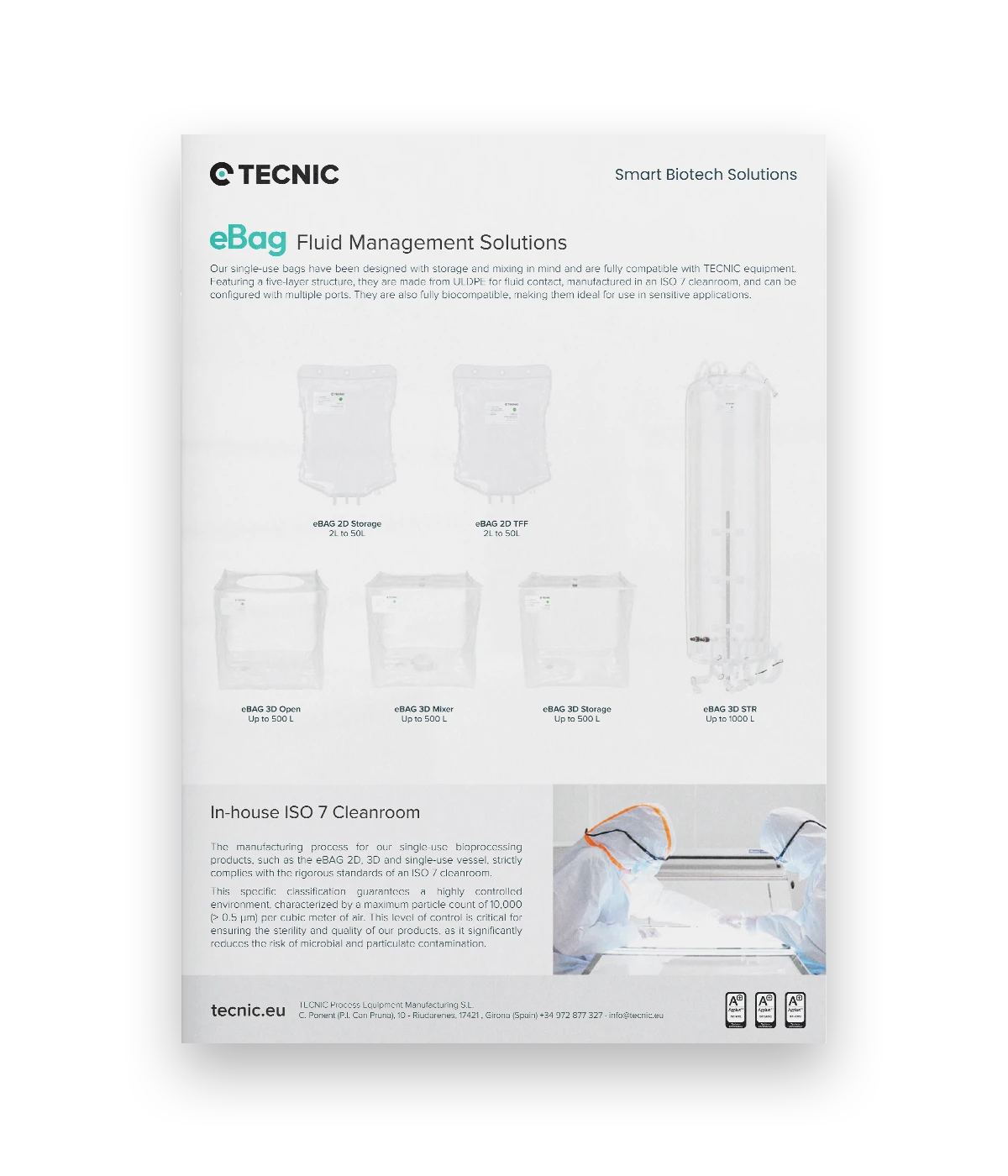
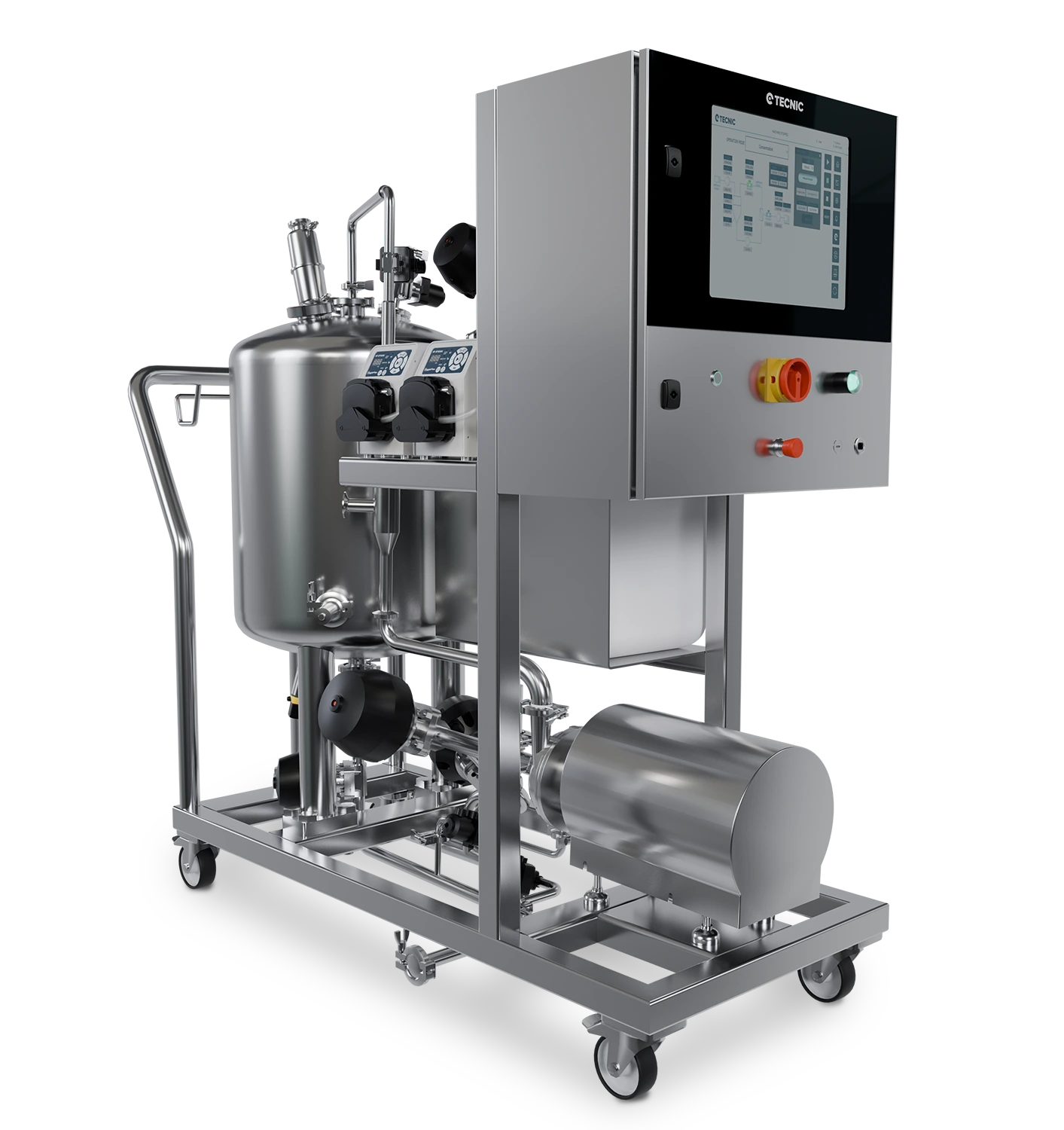
In addition to bioreactors and TFF systems, TECNIC offers a wide range of reactors and bioprocess bags that cover all the needs of a modern laboratory. Our reactors are designed for maximum durability and chemical resistance, ideal for storing and handling different types of reagents and biotech solutions. Bioprocess bags provide a flexible and secure solution for the storage and transport of cell cultures and other biological materials, ensuring product integrity and facilitating handling in the laboratory.

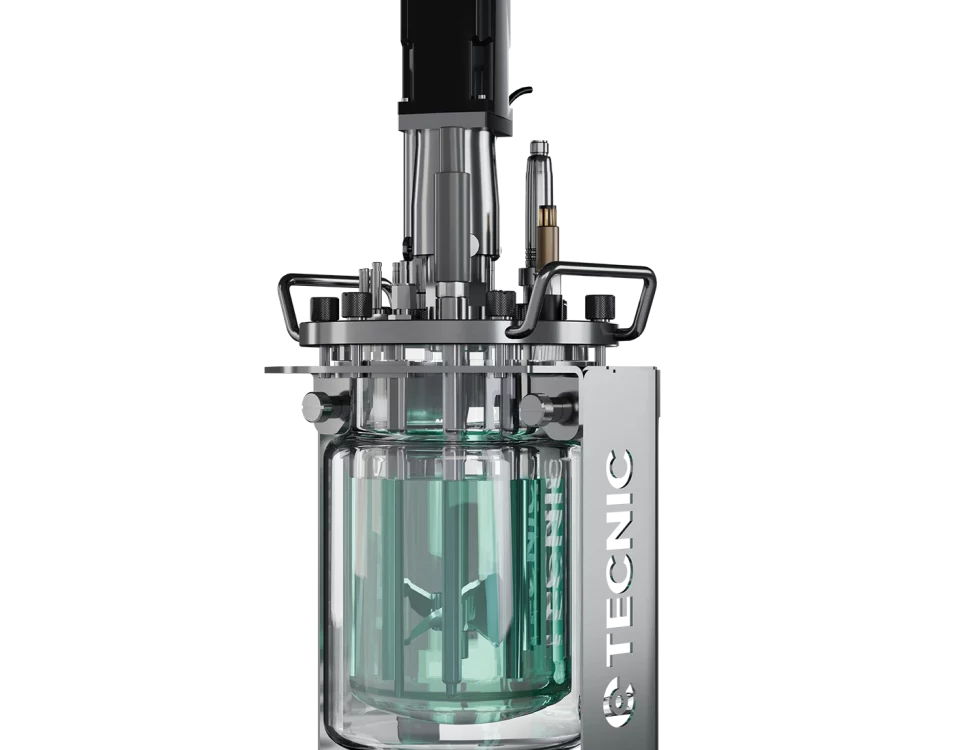
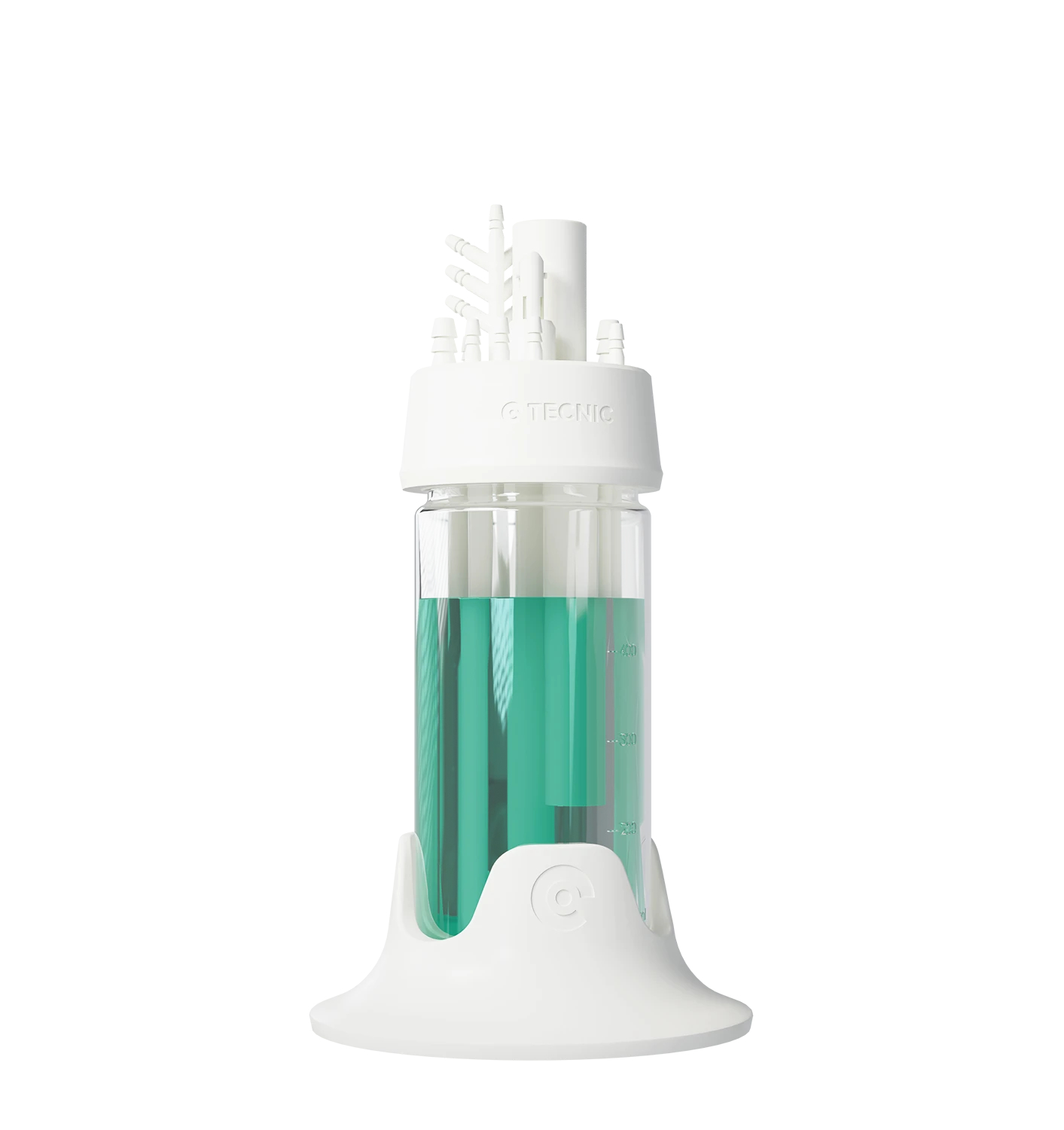
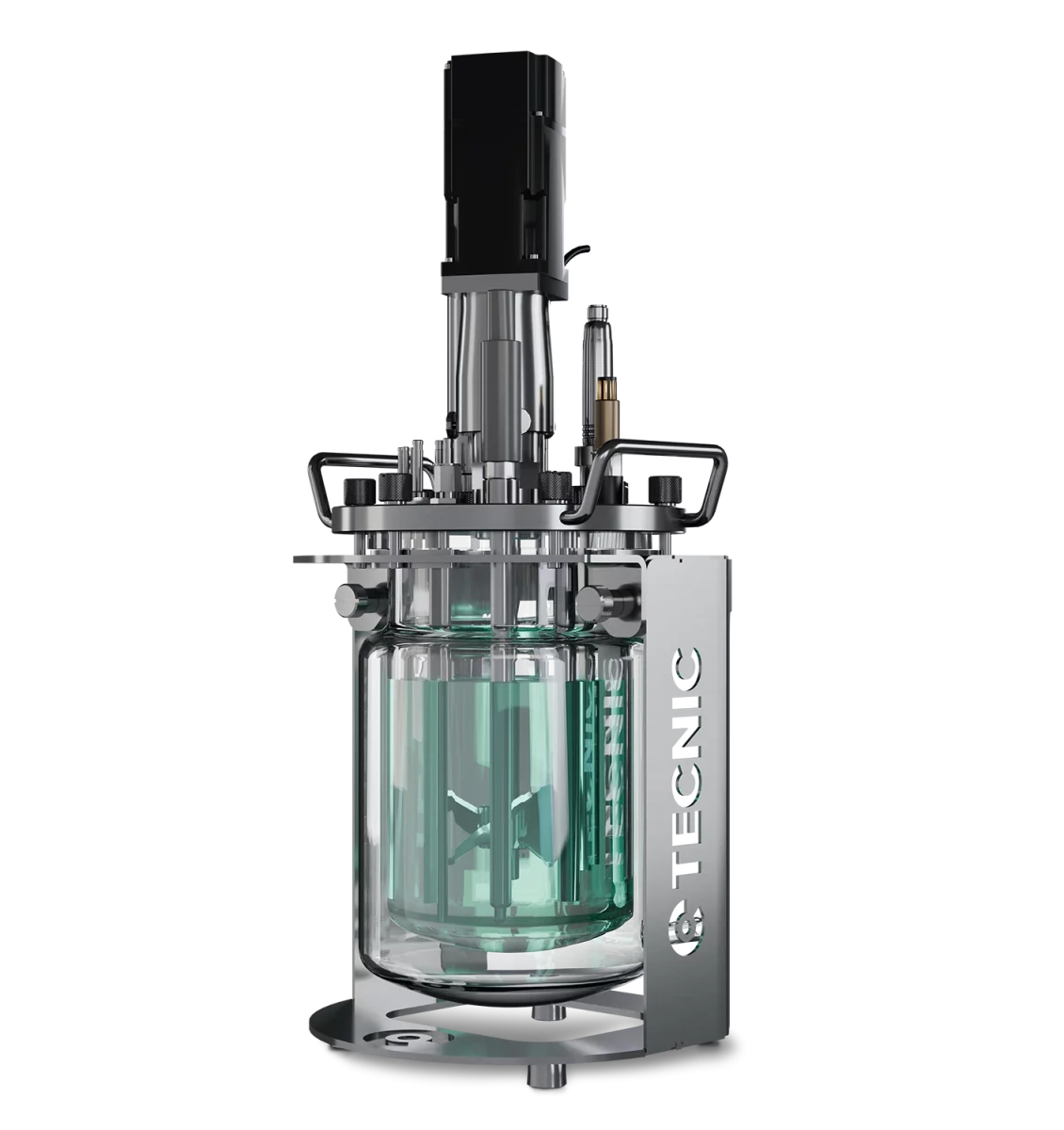
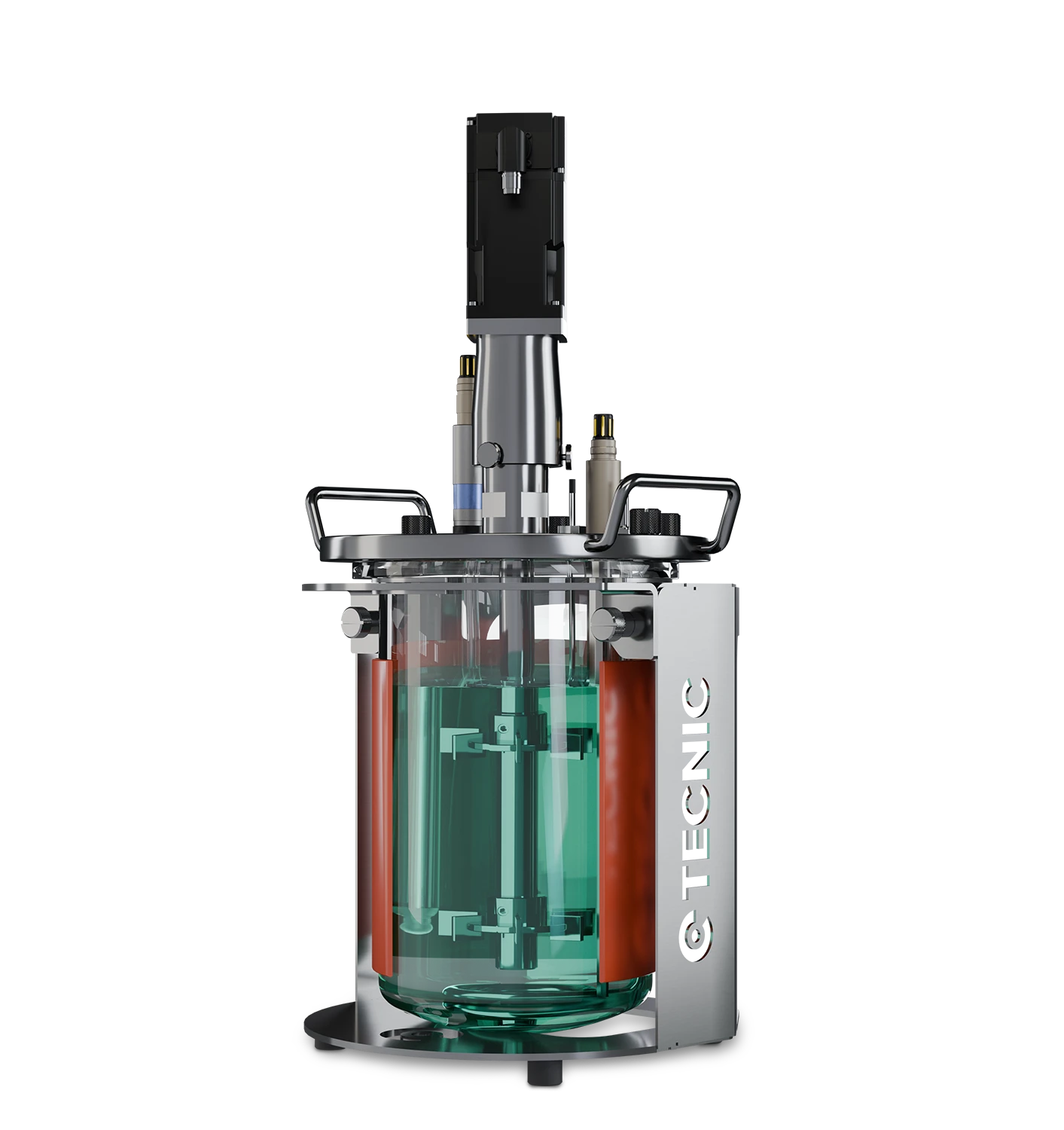
Transparent and stainless steel bioreactor vessel

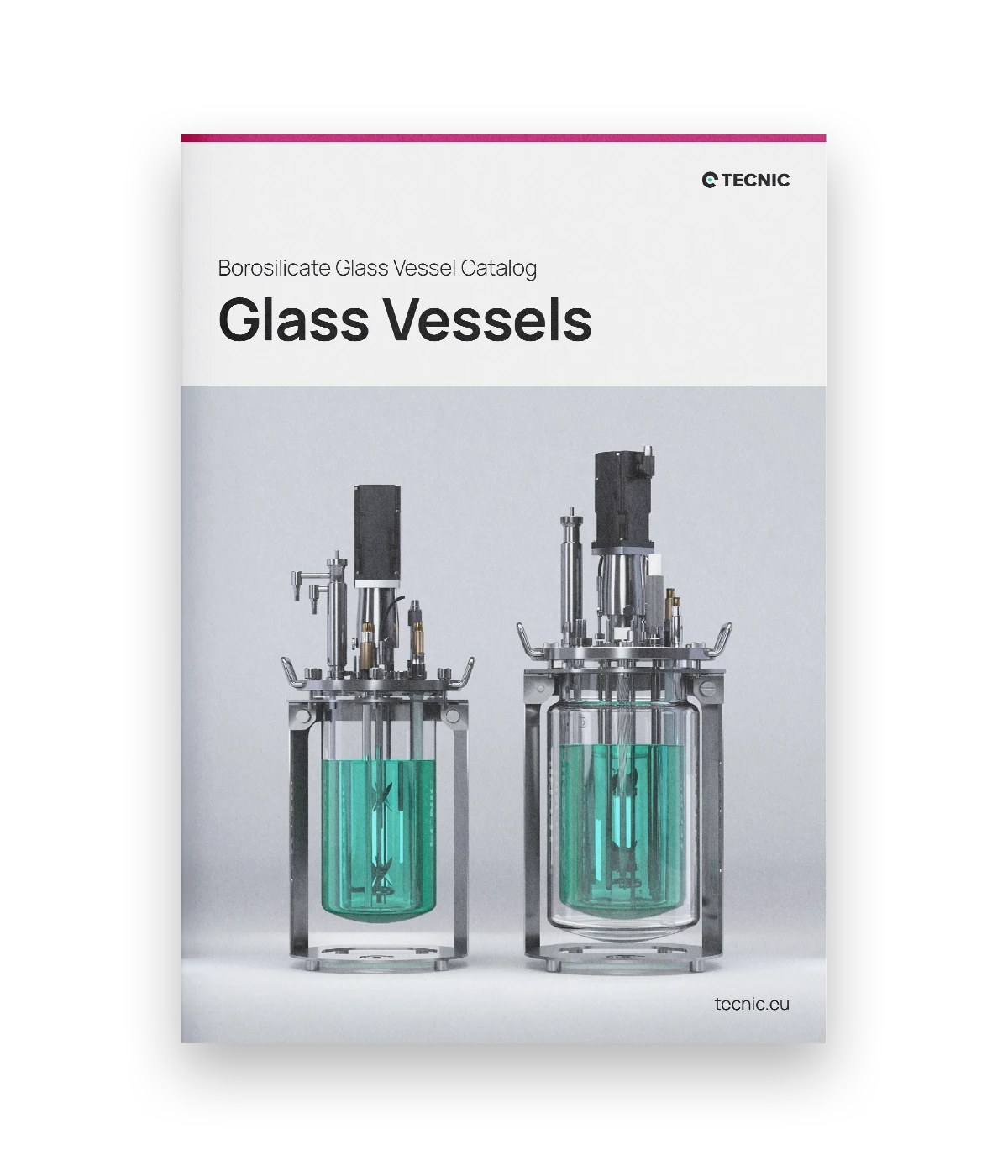
Glass Reactor

An ideal choice for sensitive cultures and precise monitoring, thanks to its transparent and corrosion-resistant design, facilitating real-time observation and control.

A stainless steel reactor, totally airtight, with no interior visible and silver-colored.

Stainless Steel Reactor

A robust, high-pressure reactor suitable for GMP environments, recognized for its durable stainless steel construction and long-lasting performance.

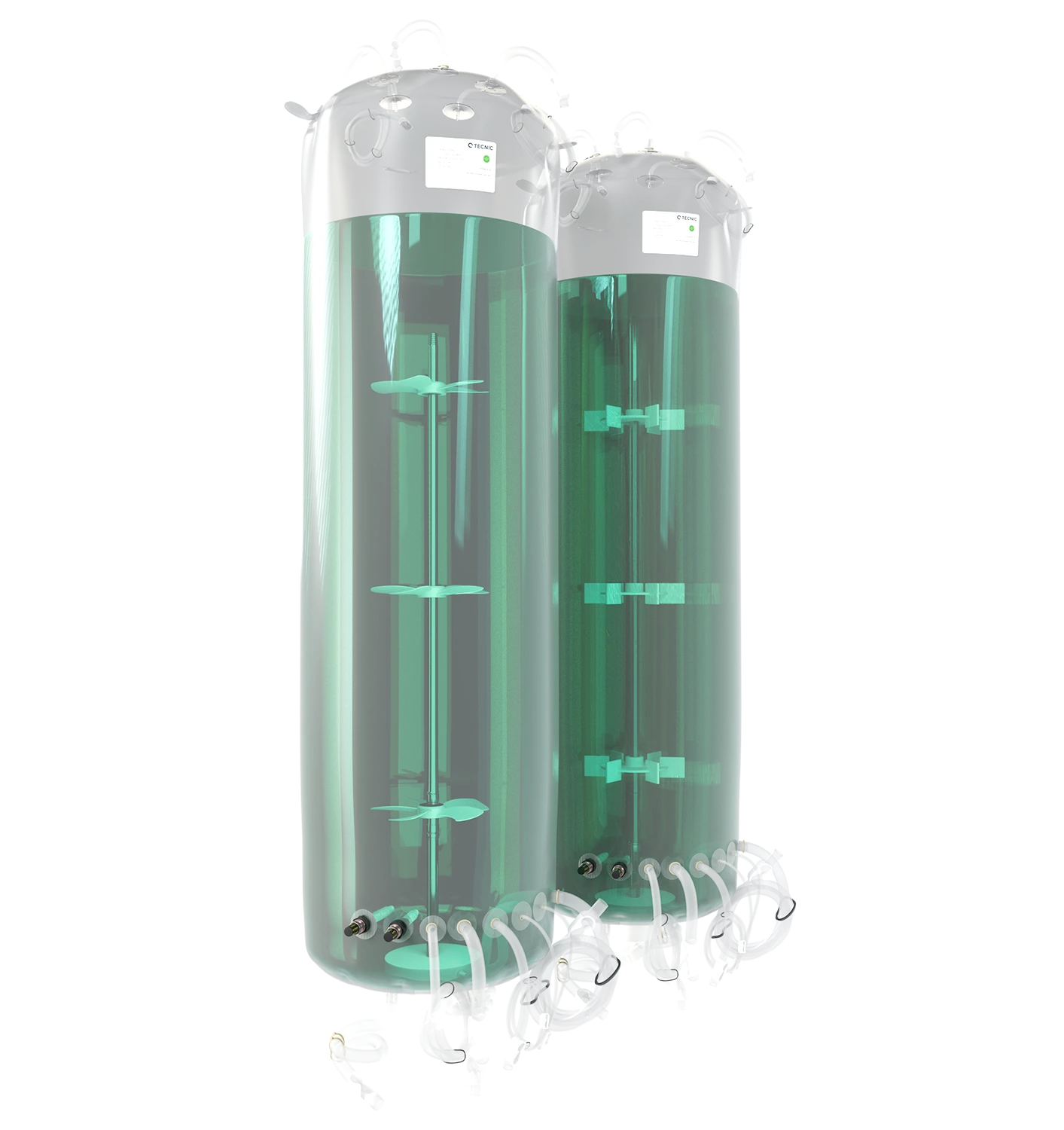
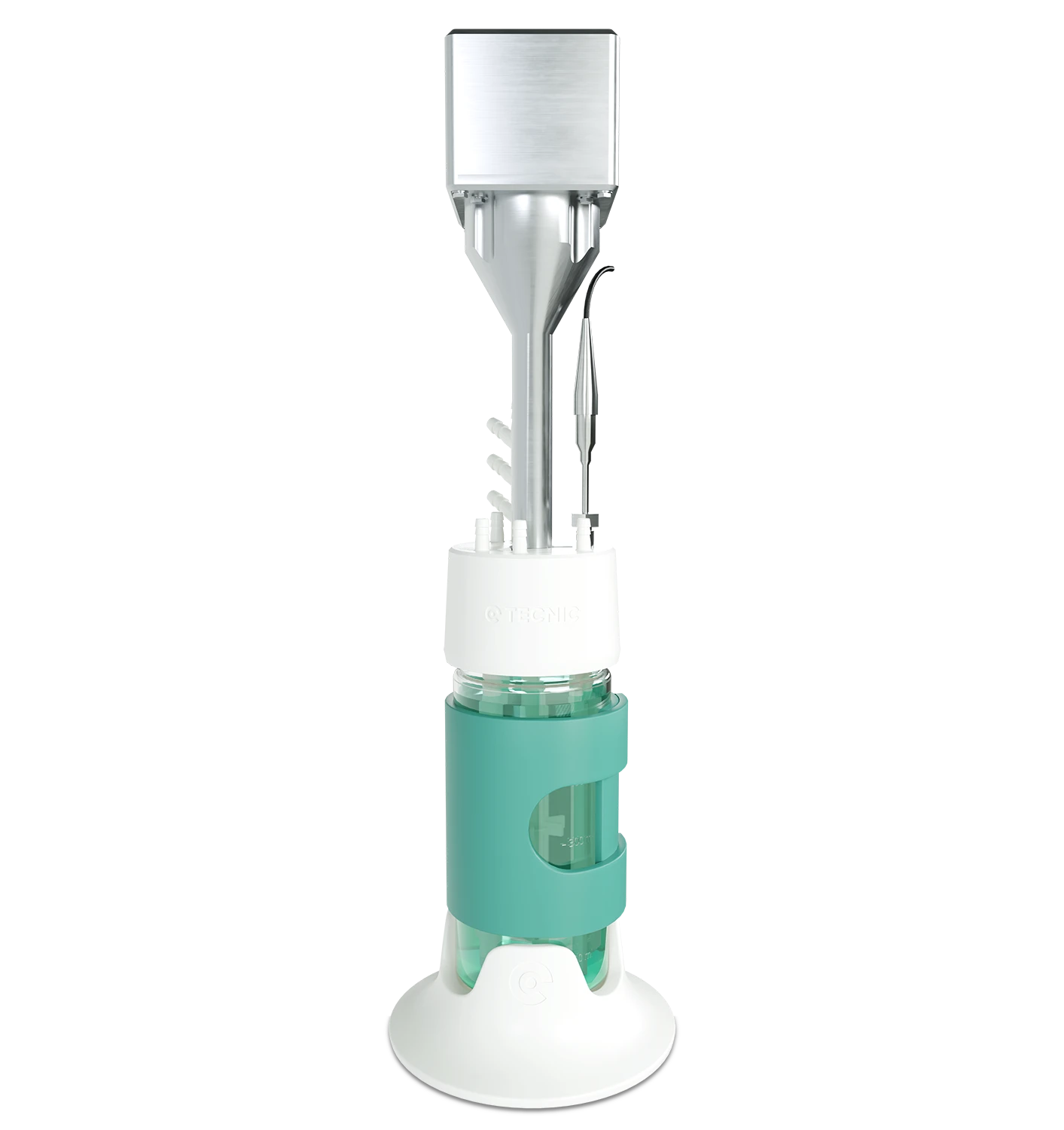
Single use reactor

Single Use Vessel

A vessel designed for strict sterility, featuring a disposable/single use design to prevent cross-contamination and ensure purity of the entire bioprocess.

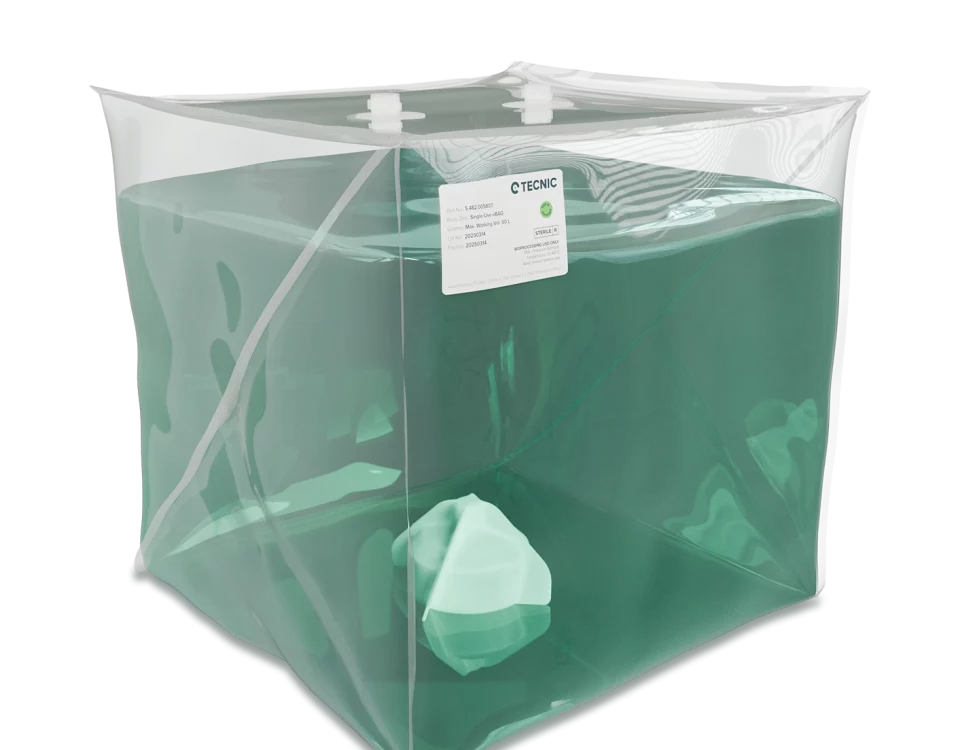
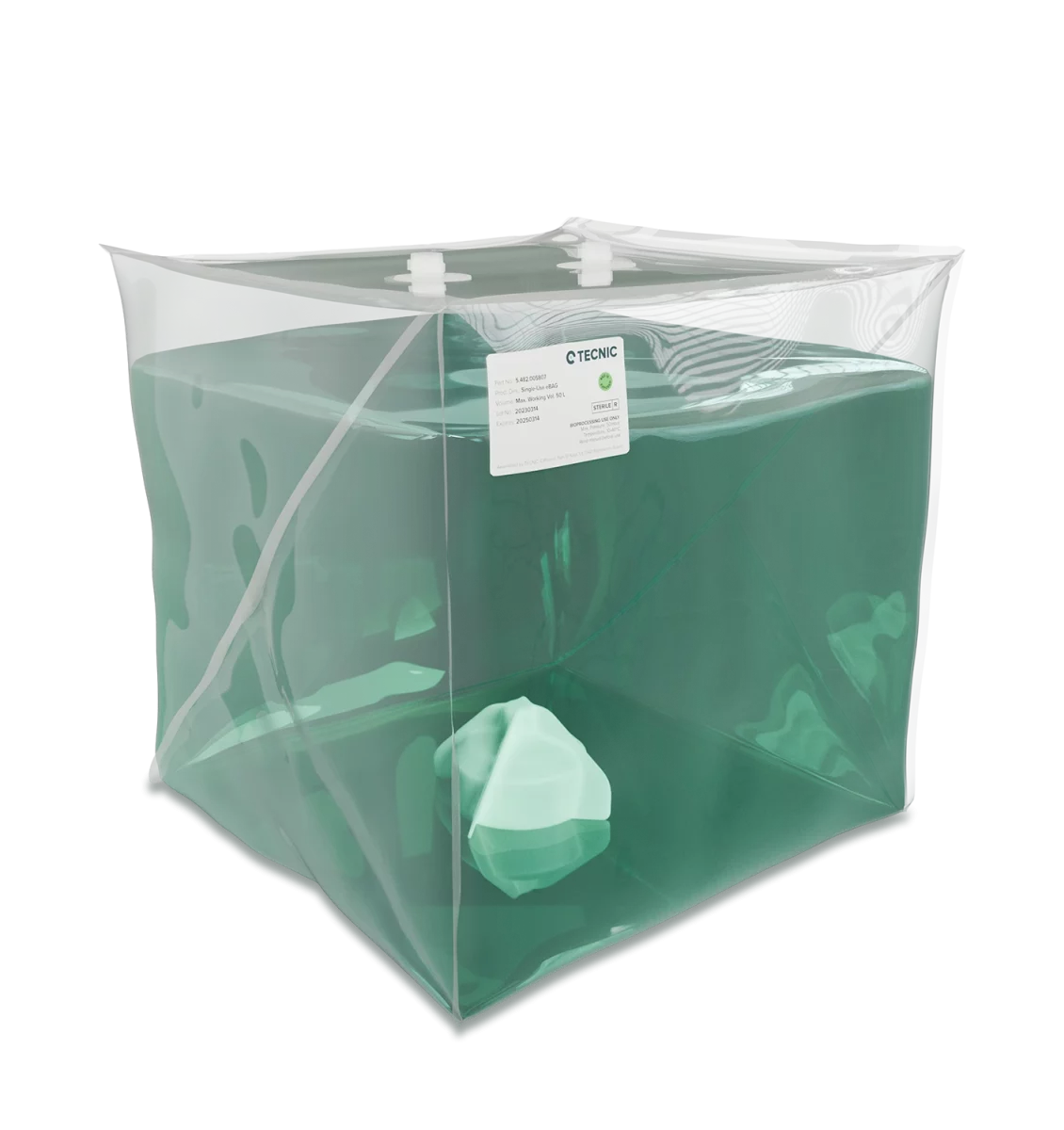
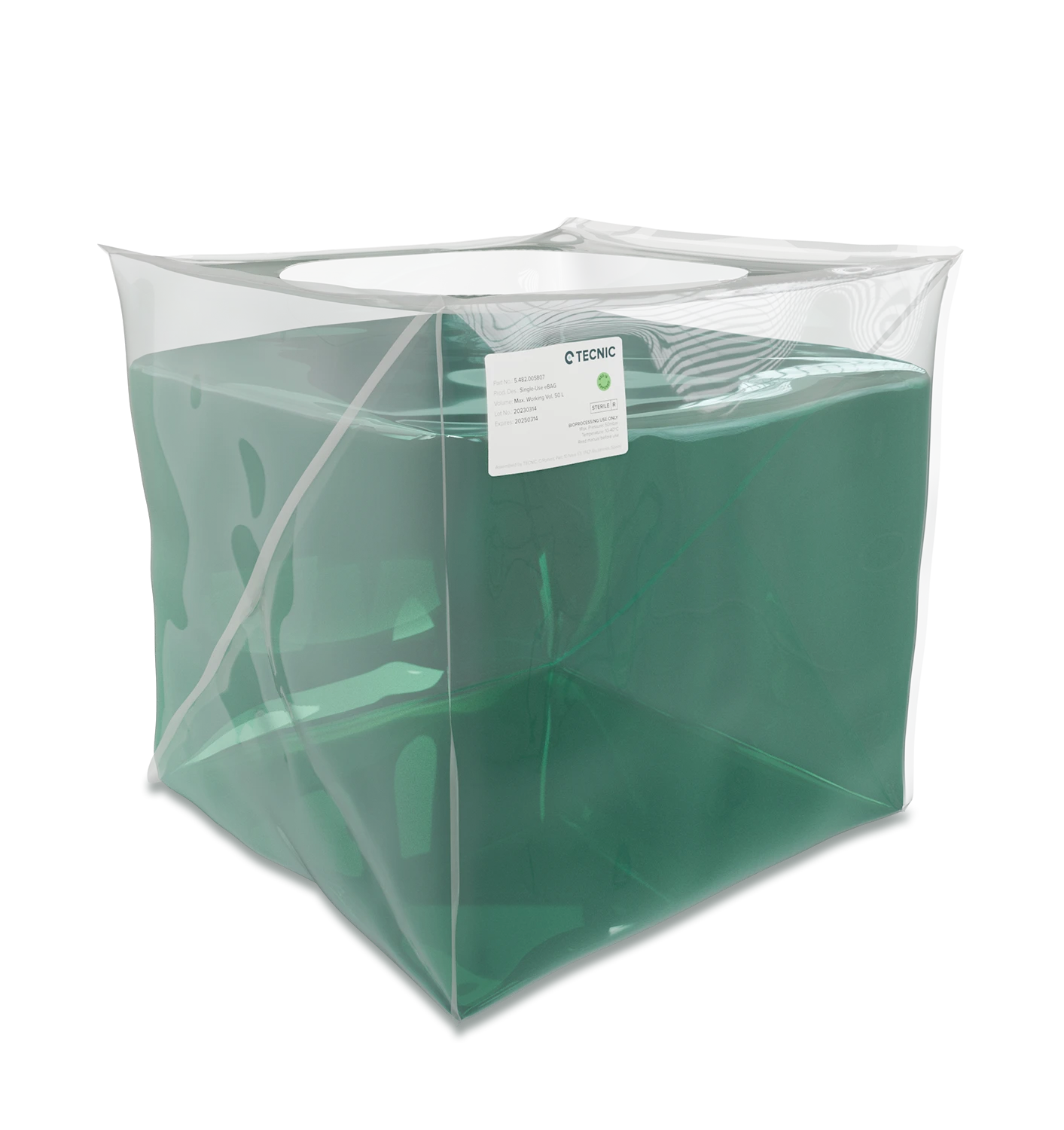
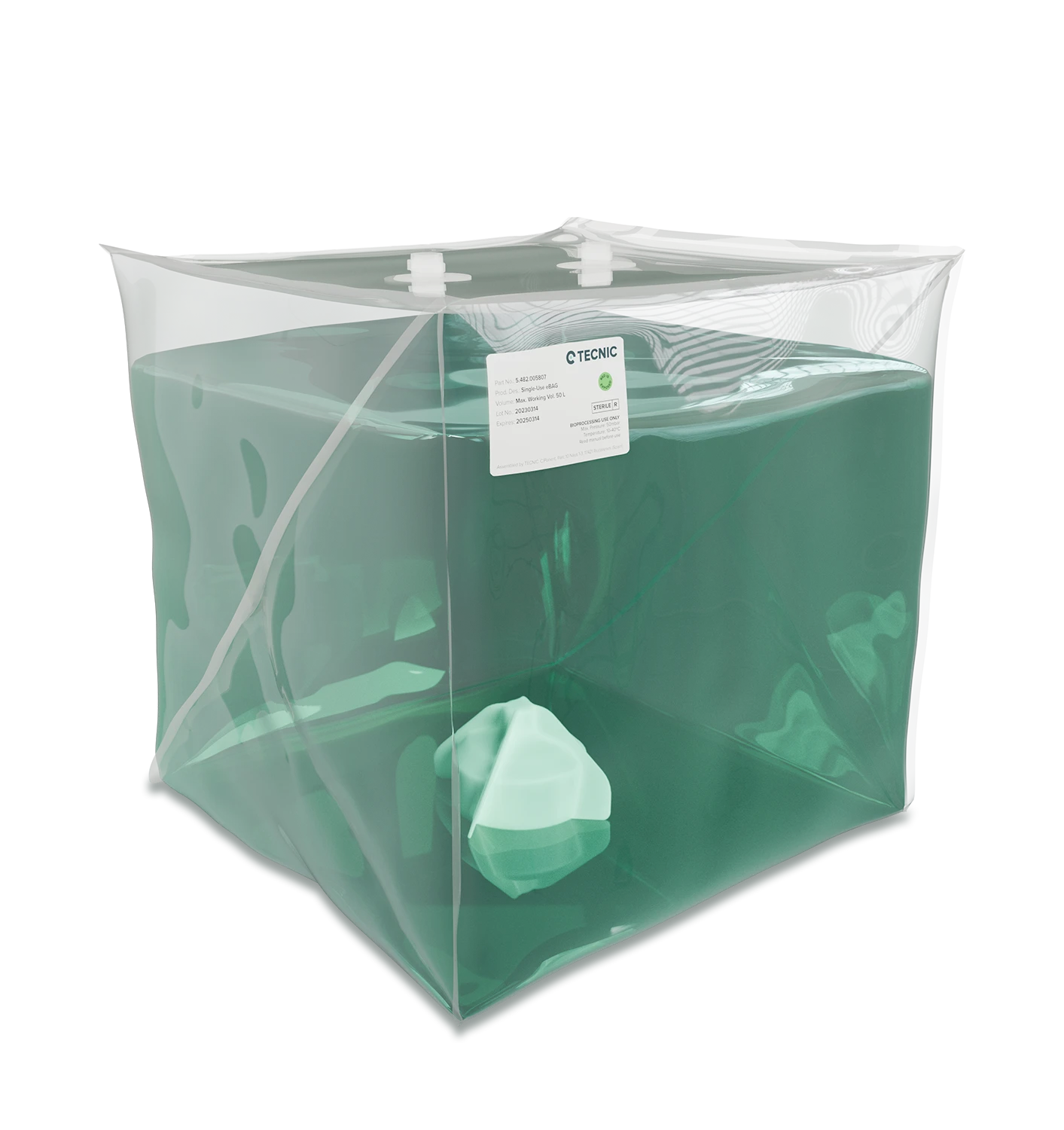
transparent and bioprocess bag (supplies) with a label in the middle for bioprocessing equipment

eBAG® 2D

The eBAG® 2D TFF, the ultimate backpack for biotech professionals working with TFF systems. This supply allow for hands-free operation of TFF equipment.

We are dedicated to providing comprehensive solutions that help our customers achieve their scientific goals quickly and accurately. We know that success depends to a large extent on having the right lab equipment, which is why at TECNIC we strive to offer only the best in terms of quality and technology. In addition, we support research teams with expert technical assistance, ensuring optimal performance of every device. Our commitment goes beyond equipment supply; we build long-term partnerships, driving innovation and efficiency in every project.

We continuously invest in the development of advanced tools that adapt to the evolving needs of laboratories, from early-stage research to pilot production. By combining precision engineering with deep industry knowledge, we help accelerate scientific progress while maintaining the highest standards of reliability and usability.

Subscribe to our newsletter

Newsletter Form

Contact form

Your opinion is very important to us, and we encourage you to contact our sales team to discuss the purchase of our bioprocess equipment. We are here to answer your questions and help you find the best solution for your needs.

Quote
Related Content

Quote

Quote
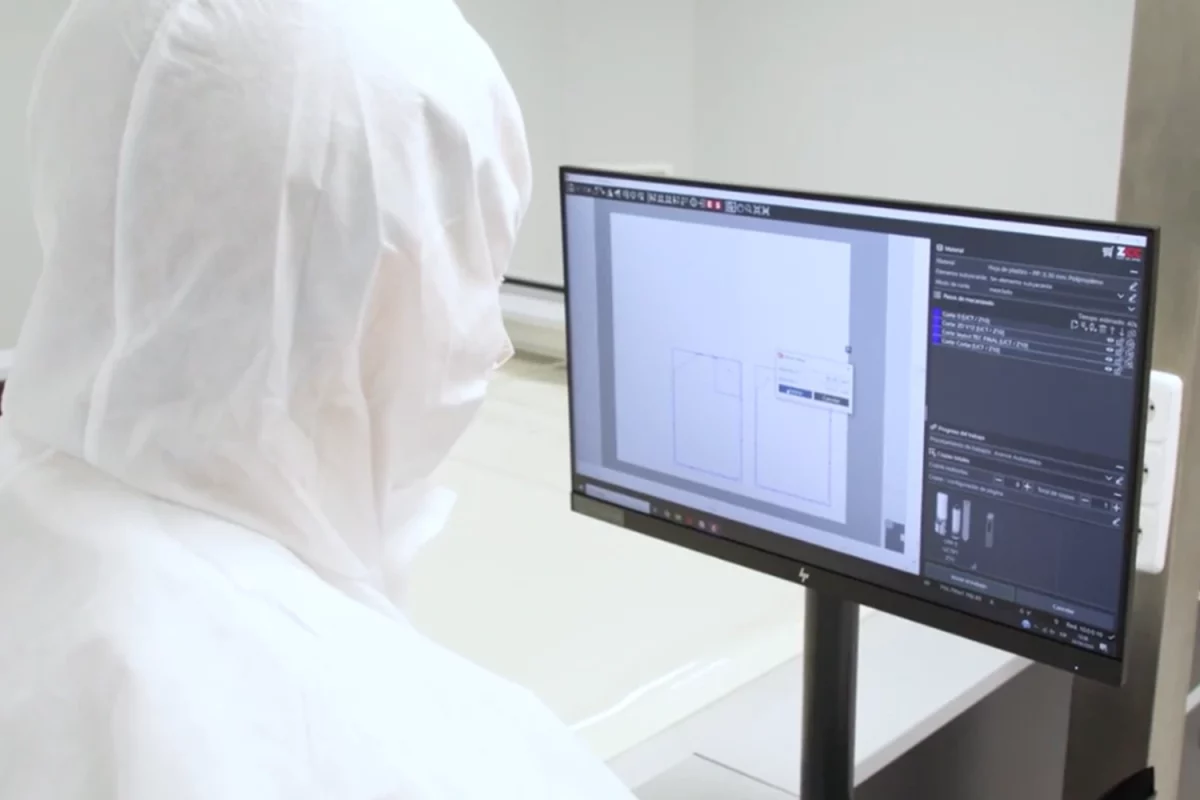
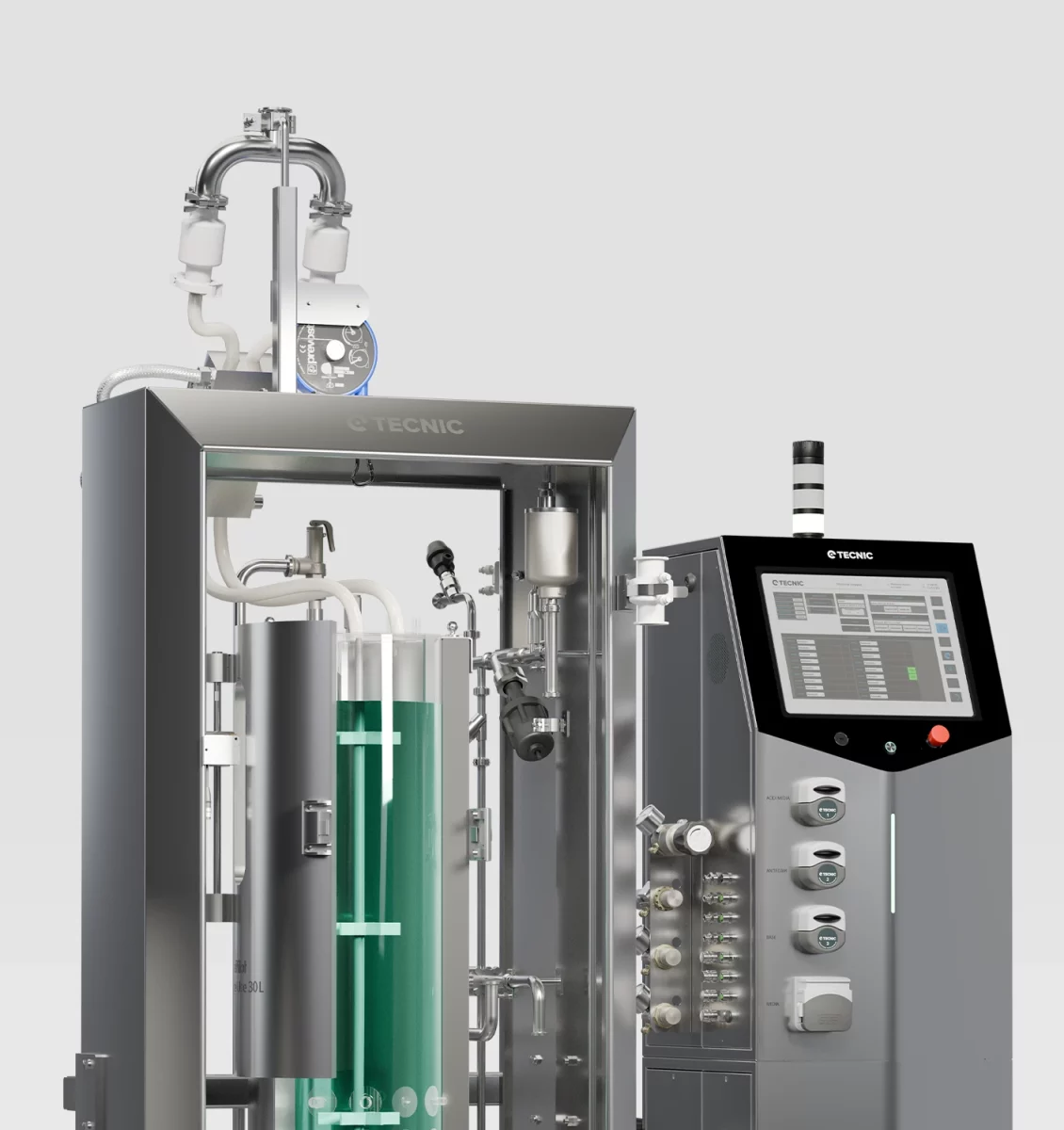
Image to access to all TECNIC's features, you can see a person working with the ePilot Bioreactor.

Coming soon 

We are finalizing the details of our new equipment. Soon, we will announce all the updates. If you want to receive all the latest news about our products, subscribe to our newsletter or follow our social media channels. 

Newsletter Form

Sign Up

Stay informed about our product innovations, best practices, exciting events and much more! After signing up for our newsletter, you can unsubscribe at any time.

Newsletter Form

Cassette

We understand the importance of flexibility and efficiency in laboratory processes. That's why our equipment is designed to be compatible with Cassette filters, an advanced solution for a variety of filtration applications. Although we do not manufacture the filters directly, our systems are optimized to take full advantage of the benefits that Cassette filters offer.

Cassette filters are known for their high filtration capacity and efficiency in separation, making them ideal for ultrafiltration, microfiltration, and nanofiltration applications. By integrating these filters into our equipment, we facilitate faster and more effective processes, ensuring high-quality results.

Our equipment, being compatible with Cassette filters, offers greater versatility and adaptability. This means you can choose the filter that best suits your specific needs, ensuring that each experiment or production process is carried out with maximum efficiency and precision.

Moreover, our equipment stands out for its 100% automation capabilities. Utilizing advanced proportional valves, we ensure precise control over differential pressure, transmembrane pressure, and flow rate. This automation not only enhances the efficiency and accuracy of the filtration process but also significantly reduces manual intervention, making our systems highly reliable and user-friendly.

Hollow Fiber

We recognize the crucial role of flexibility and efficiency in laboratory processes. That's why our equipment is meticulously designed to be compatible with Hollow Fiber filters, providing an advanced solution for a broad spectrum of filtration applications. While we don't directly manufacture these filters, our systems are finely tuned to harness the full potential of Hollow Fiber filters.

Hollow Fiber filters are renowned for their exceptional performance in terms of filtration efficiency and capacity. They are particularly effective for applications requiring gentle handling of samples, such as in cell culture and sensitive biomolecular processes. By integrating these filters with our equipment, we enable more efficient, faster, and higher-quality filtration processes.

What sets our equipment apart is its 100% automation capability. Through the use of sophisticated proportional valves, our systems achieve meticulous control over differential pressure, transmembrane pressure, and flow rate. This level of automation not only boosts the efficiency and precision of the filtration process but also significantly diminishes the need for manual oversight, rendering our systems exceptionally reliable and user-friendly.

Contact General

Cellular configuration

The cellular configuration of the eLab Advanced is equipped with a pitched-blade impeller designed to support efficient mixing for cell culture processes in both laboratory development and early scale-up. The blade geometry promotes mainly axial flow, helping to distribute gases, nutrients and pH control agents uniformly throughout the vessel while keeping shear stress at a moderate level. This makes it suitable for mammalian, insect and other shear-sensitive cell lines when operated with appropriate agitation and aeration settings. In combination with the vessel aspect ratio and baffle design, the pitched blade supports stable foaming behavior and reproducible oxygen transfer, which is essential when comparing batches or transferring processes between working volumes.

Operators can fine-tune agitation speed to balance oxygen demand and mixing time without excessively increasing mechanical stress on the culture. 

Cellular configuration

The cellular configuration of the eLab Advanced is equipped with a pitched-blade impeller designed to support efficient mixing for cell culture processes in both laboratory development and early scale-up. The blade geometry promotes mainly axial flow, helping to distribute gases, nutrients and pH control agents uniformly throughout the vessel while keeping shear stress at a moderate level. This makes it suitable for mammalian, insect and other shear-sensitive cell lines when operated with appropriate agitation and aeration settings. In combination with the vessel aspect ratio and baffle design, the pitched blade supports stable foaming behavior and reproducible oxygen transfer, which is essential when comparing batches or transferring processes between working volumes.

Operators can fine-tune agitation speed to balance oxygen demand and mixing time without excessively increasing mechanical stress on the culture. 

Cellular configuration

The cellular configuration of the eLab Advanced is equipped with a pitched-blade impeller designed to support efficient mixing for cell culture processes in both laboratory development and early scale-up. The blade geometry promotes mainly axial flow, helping to distribute gases, nutrients and pH control agents uniformly throughout the vessel while keeping shear stress at a moderate level. This makes it suitable for mammalian, insect and other shear-sensitive cell lines when operated with appropriate agitation and aeration settings. In combination with the vessel aspect ratio and baffle design, the pitched blade supports stable foaming behavior and reproducible oxygen transfer, which is essential when comparing batches or transferring processes between working volumes.

Operators can fine-tune agitation speed to balance oxygen demand and mixing time without excessively increasing mechanical stress on the culture. 

Microbial configuration

The microbial configuration of the eLab Advanced is equipped with a Rushton turbine specifically designed for high-oxygen-demand processes such as bacterial and yeast fermentations. The radial-flow impeller generates strong mixing and intense gas dispersion, promoting high oxygen transfer rates and fast homogenization of nutrients, antifoam and pH control agents throughout the vessel. This makes it particularly suitable for robust microbial strains operating at elevated agitation speeds and aeration rates.

Operators can adjust agitation and gas flow to reach the required kLa while maintaining consistent mixing times, even at high cell densities. This configuration is an excellent option for users who need a powerful, reliable platform to develop and optimize microbial processes before transferring them to pilot or production scales.

Cellular configuration

The cellular configuration of the eLab Advanced is equipped with a pitched-blade impeller designed to support efficient mixing for cell culture processes in both laboratory development and early scale-up. The blade geometry promotes mainly axial flow, helping to distribute gases, nutrients and pH control agents uniformly throughout the vessel while keeping shear stress at a moderate level. This makes it suitable for mammalian, insect and other shear-sensitive cell lines when operated with appropriate agitation and aeration settings. In combination with the vessel aspect ratio and baffle design, the pitched blade supports stable foaming behavior and reproducible oxygen transfer, which is essential when comparing batches or transferring processes between working volumes.

Operators can fine-tune agitation speed to balance oxygen demand and mixing time without excessively increasing mechanical stress on the culture. 

Technical specifications

Materials and finishes

Typical
  • Product-contact parts: AISI 316L (1.4404), typical Ra < 0.4 µm (16 µin)
  • Non-contact parts/skid: AISI 304/304L
  • Seals/elastomers: platinum-cured silicone, EPDM and/or PTFE (material set depends on selection)
  • Elastomers compliance (depending on selected materials): FDA 21 CFR 177.2600 and USP Class VI
  • Surface treatments: degreasing, pickling and passivation (ASTM A380 and ASTM A968)
  • Roughness control on product-contact surfaces

Design conditions

Pressure & temperature

Defined considering non-hazardous process fluids (PED group 2) and jacket steam/superheated water (PED group 5), depending on configuration and project scope.

Reference design envelope
ModeElementWorking pressure (bar[g])Working pressure (psi[g])T max (°C / °F)
ProcessVessel0 / +2.50 / +36.3+90 / 194
ProcessJacket0 / +3.80 / +55.1+90 / 194
SterilisationVessel0 / +2.50 / +36.3+130 / 266
SterilisationJacket0 / +3.80 / +55.1+150 / 302
Jacket working pressure may also be specified as 0 / +4 bar(g) (0 / +58.0 psi[g]) depending on design selection; final values are confirmed per project.

Pressure control and safeguards

Typical
  • Designed to maintain a vessel pressure set-point typically in the range 0 to 2.5 bar(g)
  • Aseptic operation commonly around 0.2 to 0.5 bar(g) to keep the vessel slightly pressurised
  • Overpressure/underpressure safeguards included per configuration and regulations
  • Pressure safety device (e.g., rupture disc and/or safety valve) included according to configuration

Agitation

Reference ranges
Working volumeMU (Cell culture), referenceMB (Microbial), reference
10 L0 to 300 rpm0 to 1000 rpm
20 L0 to 250 rpm0 to 1000 rpm
30 L0 to 200 rpm0 to 1000 rpm
50 L0 to 180 rpm0 to 1000 rpm

Integrated peristaltic pumps (additions)

Typical

The equipment typically includes 4 integrated variable-speed peristaltic pumps for sterile additions (acid/base/antifoam/feeds). Actual flow depends on selected tubing and calibration.

ParameterTypical valueNotes
Quantity4 units (integrated)In control tower; assignment defined by configuration
Speed0-300 rpmVariable control from eSCADA
Minimum flow0-10 mL/minExample with 0.8 mm ID tubing; depends on tubing and calibration
Maximum flowUp to ~366 mL/minExample with 4.8 mm ID tubing; actual flow depends on calibration
Operating modesOFF / AUTO / MANUAL / PROFILEAUTO typically associated to pH/DO/foam loops or recipe
FunctionsPURGE, calibration, totaliser, PWMPWM available for low flow setpoints below minimum operating level

Gas flow control (microbial reference capacity)

Reference

For microbial culture (MB), gas flow controllers (MFC) are typically sized based on VVM targets. Typical reference VVM range: 0.5-1.5 (to be confirmed by process).

Working volume (L)VVM minVVM maxAir (L/min)O2 (10%) (L/min)CO2 (20%) (L/min)N2 (10%) (L/min)
100.51.55-150.5-1.51-30.5-1.5
200.51.510-301-32-61-3
300.51.515-451.5-4.53-91.5-4.5
500.51.525-752.5-7.55-152.5-7.5
O2/CO2/N2 values are shown as reference capacities for typical gas blending strategies (10% O2, 20% CO2, 10% N2). Final gas list and ranges depend on process and configuration.

Instrumentation and sensors

Typical

Instrumentation is configurable. The following list describes typical sensors integrated in standard configurations, plus common optional PAT sensors.

Variable / functionTypical technology / interfaceStatus (STD/OPT)
Temperature (process/jacket)Pt100 class A RTDSTD
Pressure (vessel/lines)Pressure transmitter (4-20 mA / digital)STD
Level (working volume)Adjustable probeSTD
pHDigital pH sensor (ARC or equivalent)STD
DO (pO2)Digital optical DO sensor (ARC or equivalent)STD
FoamConductive/capacitive foam sensorSTD
Weight / mass balanceLoad cell (integrated in skid)STD
pCO2Digital pCO2 sensor (ARC or equivalent)OPT
Biomass (permittivity)In-line or in-vessel sensorOPT
VCD / TCDIn-situ cell density sensorsOPT (MU)
Off-gas (O2/CO2)Gas analyser for OUR/CEROPT
ORP / RedoxDigital ORPOPT
Glucose / LactatePAT sensorOPT

Automation, software and connectivity

Typical

The platform incorporates TECNIC eSCADA (typically eSCADA Advanced for ePILOT) to operate actuators and control loops, execute recipes and manage process data.

Main software functions
  • Main overview screen with process parameters and trends
  • Alarm management (real-time alarms and historical log) with acknowledgement and comment option
  • Manual/automatic modes for actuators and control loops
  • Recipe management with phases and transitions; parameter profiles (multi-step) for pumps and setpoints
  • Data logging with configurable period and export to CSV; PDF report generation
Common control loops
  • Temperature control (jacket heating/cooling)
  • Pressure control (headspace) with associated valve management
  • pH control via acid/base addition pumps and optional CO2 strategy
  • DO control with cascade strategies (agitation, air, O2, N2) depending on package and configuration
  • Foam control (foam sensor and automatic antifoam addition)
Data integrity and 21 CFR Part 11

Support for 21 CFR Part 11 / EU GMP Annex 11 is configuration- and project-dependent and requires customer procedures and validation (CSV).

Utilities

Reference

Utilities depend on final configuration (e.g., AutoSIP vs External SIP) and destination market (EU vs North America). The following values are typical reference points.

UtilityTypical service / configurationPressureFlow / powerNotes
ElectricalEU base: 400 VAC / 50 Hz (3~)N/AAutoSIP: 12 kW; External SIP: 5 kWNA option: 480 VAC / 60 Hz; cabinet/wiring per NEC/NFPA 70; UL/CSA as required
Process gasesAir / O2 / CO2 / N2Up to 2.5 bar(g) (36.3 psi)According to setpointTypical OD10 pneumatic connections; final list depends on package
Instrument airPneumatic valvesUp to 6 bar(g) (87.0 psi)N/ADry/filtered air recommended
Cooling waterJacket cooling water2 bar(g) (29.0 psi)25 L/min (6.6 gpm)6-10 °C (43-50 °F) typical
Cooling waterCondenser cooling water2 bar(g) (29.0 psi)1 L/min (0.26 gpm)6-10 °C (43-50 °F) typical
Steam (External SIP)Industrial steam2-3 bar(g) (29.0-43.5 psi)30 kg/h (66 lb/h)For SIP sequences
Steam (External SIP)Clean steam1.5 bar(g) (21.8 psi)8 kg/h (18 lb/h)Depending on plant strategy

Compliance and deliverables

Typical

Depending on destination and project scope, the regulatory basis may include European Directives (CE) and/or North American codes. The exact list is confirmed per project and stated in the Declaration(s) of Conformity when applicable.

ScopeEU (typical references)North America (typical references)
Pressure equipmentPED 2014/68/EUASME BPVC Section VIII (where applicable)
Hygienic designHygienic design good practicesASME BPE (reference for bioprocessing)
Machine safetyMachinery: 2006/42/EC (until 13/01/2027) / (EU) 2023/1230OSHA expectations; NFPA 79 (industrial machinery) - project dependent
Electrical / EMCLVD 2014/35/EU; EMC 2014/30/EUNEC/NFPA 70; UL/CSA components and marking as required
Materials contactEC 1935/2004 + EC 2023/2006 (GMP for materials) where applicableFDA 21 CFR (e.g., 177.2600 for elastomers) - materials compliance
Software / CSVEU GMP Annex 11 (if applicable)21 CFR Part 11 (if applicable)
Standard documentation package
  • User manual and basic operating instructions
  • P&ID / layout drawings as per project scope
  • Material certificates and finish/treatment certificates (scope dependent)
  • FAT report (if included in contract)
Optional qualification and commissioning services
  • SAT (Site Acceptance Test)
  • IQ / OQ documentation and/or execution (scope agreed with customer)
  • CSV support package for regulated environments (ALCOA+ considerations, backups, time synchronisation, etc.)

Ordering and configuration

Project-based

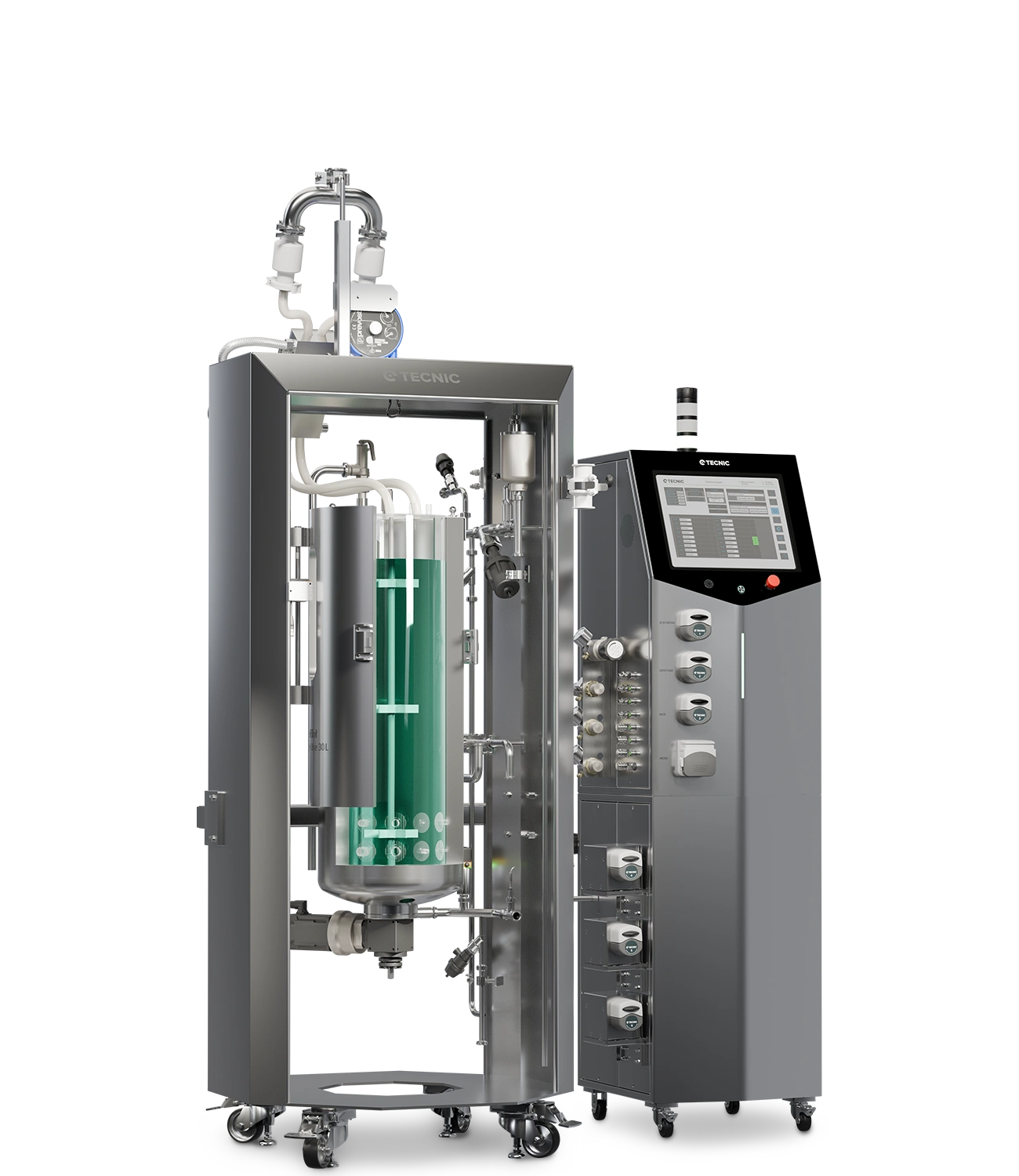
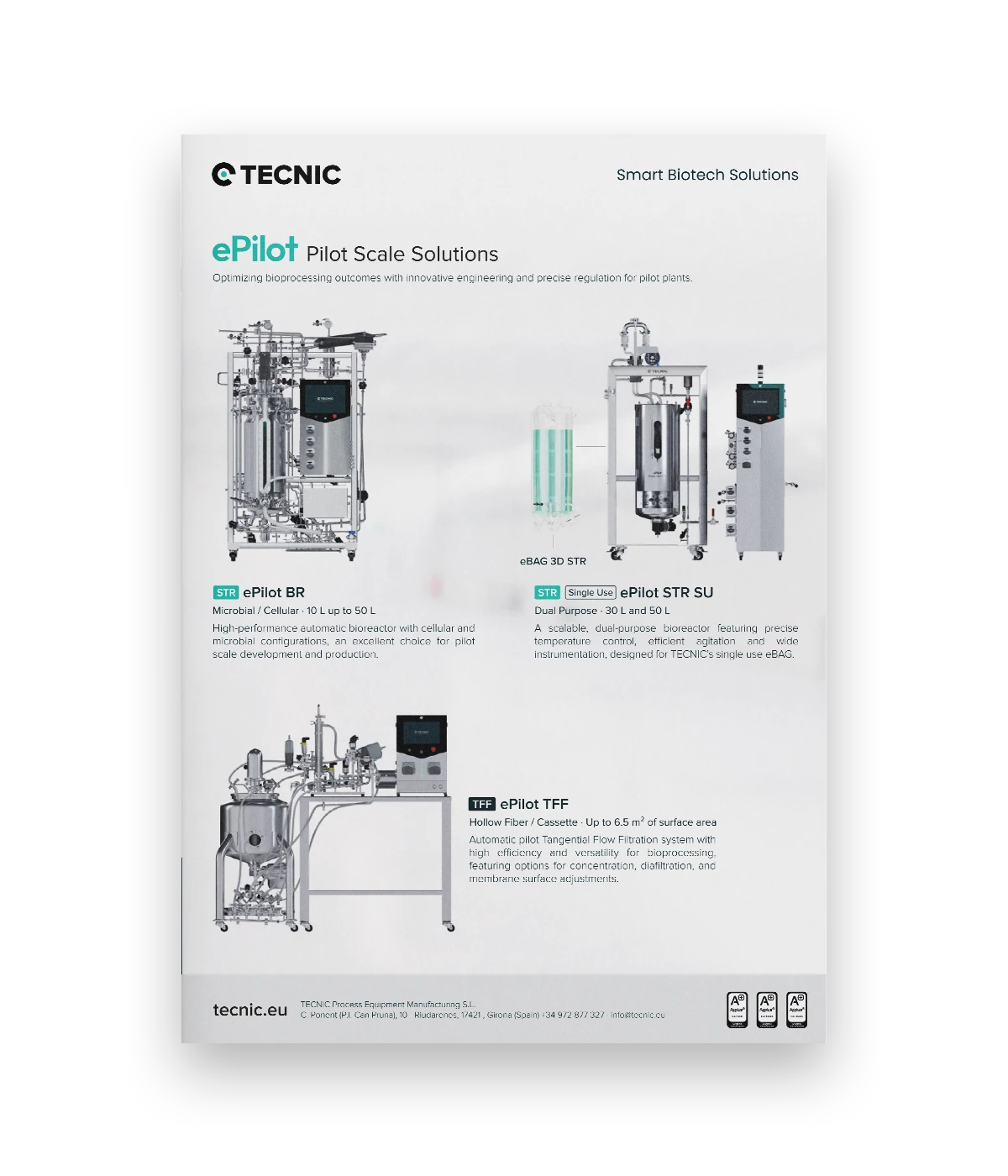
ePILOT BR is configured per project. To define the right MU/MB package, volumes and options (utilities, sensors, software and compliance), please contact TECNIC with your URS or request the configuration questionnaire.

The information provided above is for general reference only and may be modified, updated or discontinued at any time without prior notice. Values and specifications are indicative and may vary depending on project scope, configuration and applicable requirements. This content does not constitute a binding offer, warranty, or contractual commitment. Any final specifications, deliverables and acceptance criteria will be confirmed in the corresponding quotation, technical documentation and/or contract documents.

Cellular configuration

The cellular configuration of the eLab Advanced is equipped with a pitched-blade impeller designed to support efficient mixing for cell culture processes in both laboratory development and early scale-up. The blade geometry promotes mainly axial flow, helping to distribute gases, nutrients and pH control agents uniformly throughout the vessel while keeping shear stress at a moderate level. This makes it suitable for mammalian, insect and other shear-sensitive cell lines when operated with appropriate agitation and aeration settings. In combination with the vessel aspect ratio and baffle design, the pitched blade supports stable foaming behavior and reproducible oxygen transfer, which is essential when comparing batches or transferring processes between working volumes.

Operators can fine-tune agitation speed to balance oxygen demand and mixing time without excessively increasing mechanical stress on the culture. 

Technical specifications

    ePILOT BR configuration questionnaire


    Project details


    FAT:

    Shipment:

    Installation:

    SAT:

    IQ/OQ:


    Process and automation requirements


    MU only (cell culture)


    MB only (microbial)


    Utilities and infrastructure


    North America specific


    Connections, consumables and compliance


    EU specific


    North America specific


    Software / CSV (GMP)


    Validation, testing and documentation


    GMP / CSV


    Logistics and installation


    Additional comments


    Cellular configuration

    The cellular configuration of the eLab Advanced is equipped with a pitched-blade impeller designed to support efficient mixing for cell culture processes in both laboratory development and early scale-up. The blade geometry promotes mainly axial flow, helping to distribute gases, nutrients and pH control agents uniformly throughout the vessel while keeping shear stress at a moderate level. This makes it suitable for mammalian, insect and other shear-sensitive cell lines when operated with appropriate agitation and aeration settings. In combination with the vessel aspect ratio and baffle design, the pitched blade supports stable foaming behavior and reproducible oxygen transfer, which is essential when comparing batches or transferring processes between working volumes.

    Operators can fine-tune agitation speed to balance oxygen demand and mixing time without excessively increasing mechanical stress on the culture. 

    Technical specifications

    Models and working volumes

    Tank

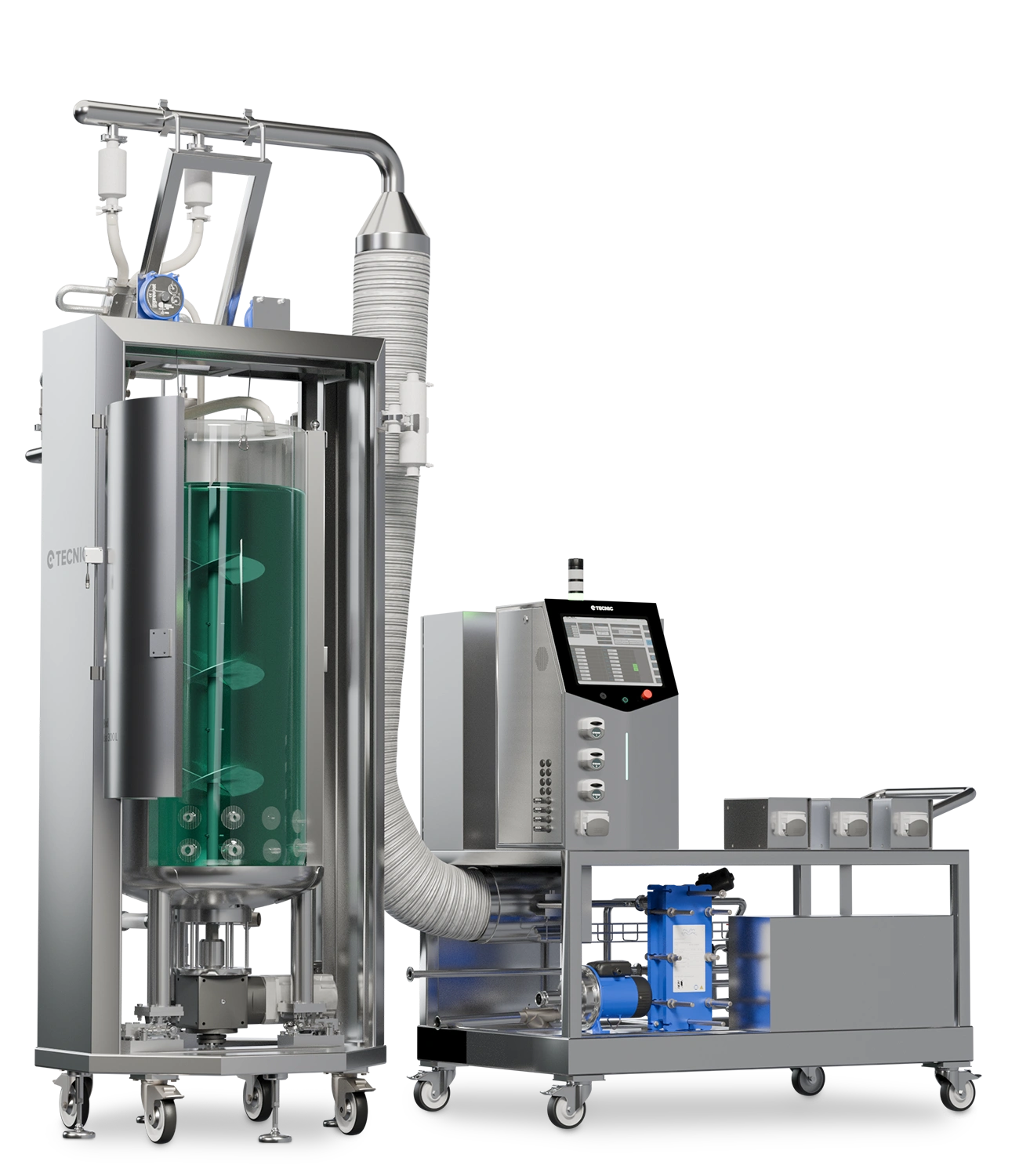
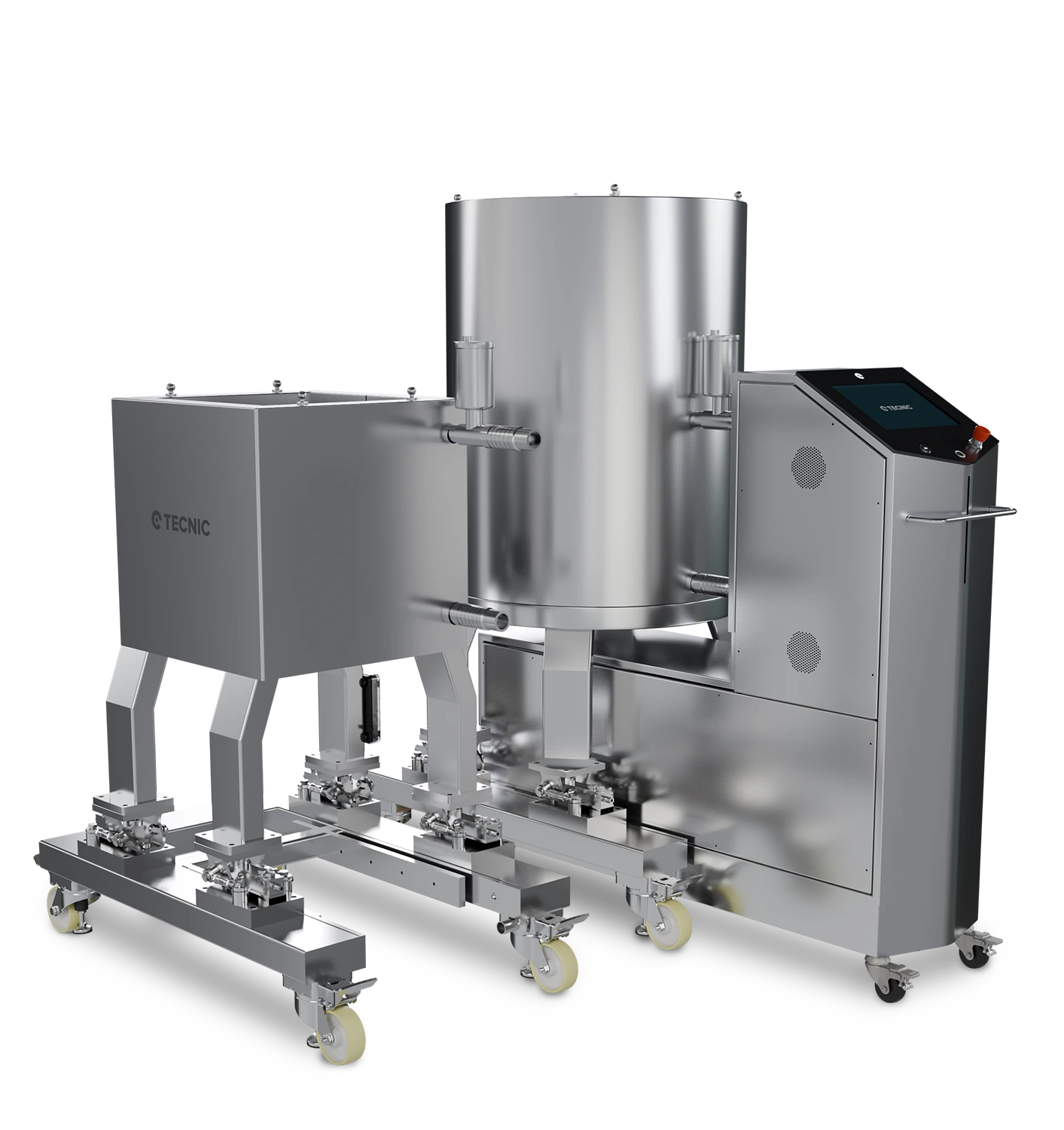
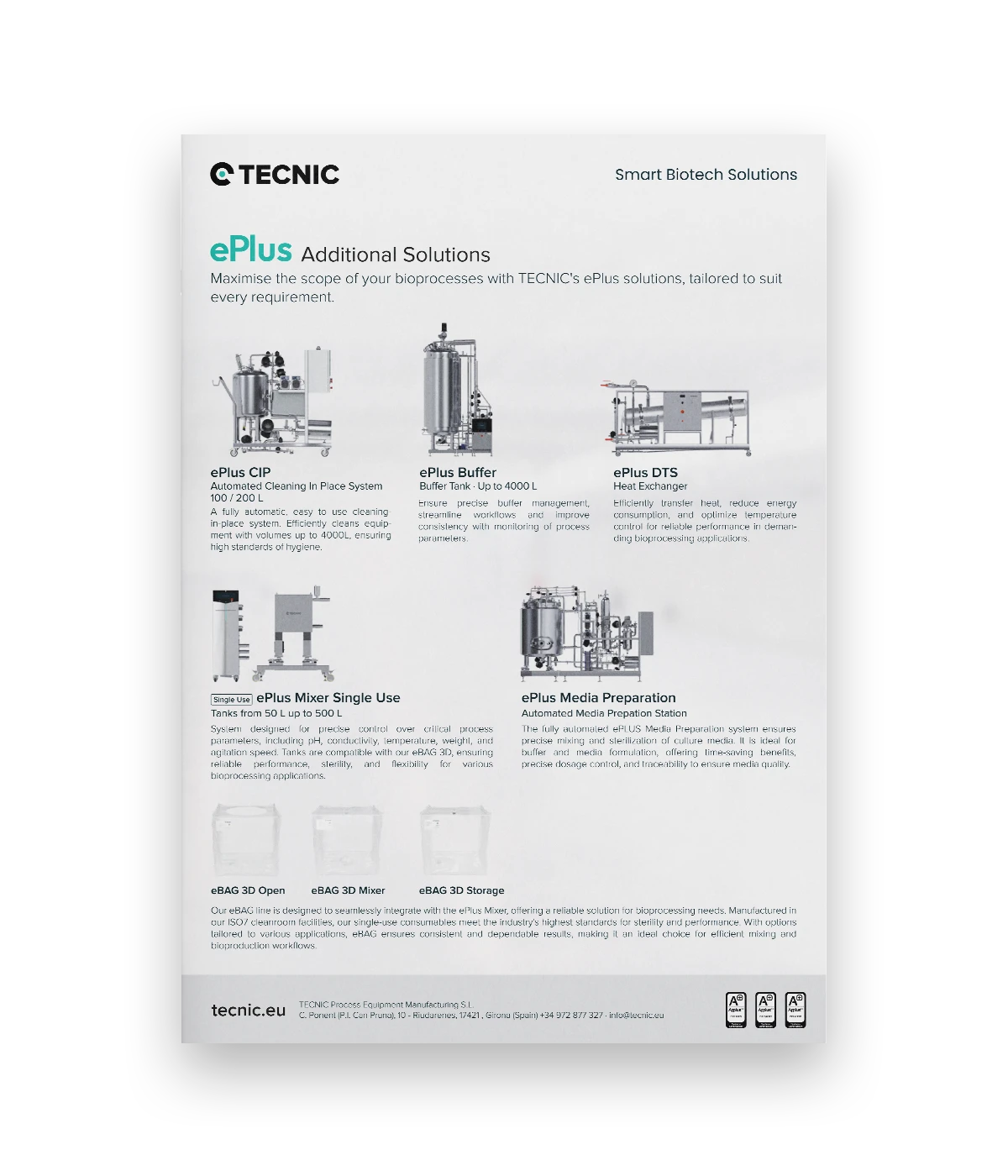
    The ePlus Mixer platform combines an ePlus Mixer control tower with Tank frames and eBag 3D consumables. Tank can be supplied in square or cylindrical configurations (depending on project) to match the bag format.

    Tank modelNominal volumeMinimum volume to start agitation*
    Tank 50 L50 L15 L
    Tank 100 L100 L20 L
    Tank 200 L200 L30 L
    Tank 500 L500 L55 L
    *Values based on agitation start interlocks per tank model. Final performance depends on the selected eBag 3D, fluid properties and configuration.

    Design conditions and operating limits

    Reference

    Reference limits are defined for the ePlus Mixer and the Tank. It is recommended to validate the specific limits of the selected eBag 3D and single-use sensors for the customer’s process.

    ElementOperating pressureMaximum pressure (safety)Maximum working temperature
    ePlus Mixer (control tower)ATM0.5 bar(g)90 °C
    TankATM0.5 bar(g)45 °C
    Jacket (if applicable)N/A1.5 barDepends on utilities / scope
    The 0.5 bar(g) limit is associated with the equipment design, the circuit is protected by a safety valve. Confirm final limits on the equipment nameplate and project specification.

    Materials and finishes

    Typical
    • Control tower housing and frame: stainless steel 304
    • Product-contact metallic hard parts (if applicable): stainless steel 316 (defined in project manufacturing documentation)
    • Non-product-contact metallic parts: stainless steel 304
    • eBag consumable: single-use polymer (supplier dependent, gamma irradiation / sterilisation per specification)
    • Vent filters: PP (polypropylene), per component list
    For GMP projects, the recommended documentation package includes material certificates, surface finish certificates (Ra if applicable) and consumable sterility/irradiation certificates.

    Agitation system

    Magnetic

    Non-invasive magnetic agitation, the impeller is integrated in the eBag 3D Mixer format, avoiding mechanical seals. Agitation speed is controlled from the HMI, with start interlocks linked to the tank model and minimum volume.

    Reference speed range
    • Typical agitation range: 120 to 300 rpm (configuration dependent)
    • Magnetic drive motor (reference): Sterimixer SMA 85/140, 50 Hz, 230/400 V, 0.18 kW
    • Gear reduction (reference): 1:5
    • Actuation (reference): linear actuator LEYG25MA, stroke 30–300 mm, speed 18–500 mm/s (for positioning)
    Final rpm and mixing performance depend on tank size, bag format and process requirements.

    Weighing and volume control

    Integrated

    Weight and derived volume control are performed using 4 load cells integrated in the tank frame legs and a weight indicator. Tare functions are managed from the HMI to support preparation steps and additions by mass.

    ComponentReference modelKey parameters
    Load cells (x4)Mettler Toledo SWB505 (stainless steel)550 kg each, output 2 mV/V, IP66
    Weight indicatorMettler Toledo IND360 DINAcquisition and HMI display, tare and “clear last tare”
    For installation engineering, total floor load should consider product mass + equipment mass + margin (recommended ≥ 20%).

    Pumps and fluid handling

    Standard

    The platform includes integrated pumps for additions and circulation. Final tubing selection and calibration define the usable flow range.

    Included pumps (reference)
    • 3 integrated peristaltic pumps for additions (acid/base/media), with speed control from HMI
    • 1 integrated centrifugal pump for circulation / transfer (DN25)
    Peristaltic pumps (reference)
    ParameterReferenceNotes
    Quantity3 unitsIntegrated in the control tower
    Pump headHYB101 (Hygiaflex)Example tubing: ID 4.8 mm, wall 1.6 mm
    Max speed300 rpmSpeed control reference: 0–5 V
    Max flow (example)365.69 mL/minDepends on tubing and calibration
    Centrifugal pump (reference)
    ParameterReference
    ModelEBARA MR S DN25
    Power0.75 kW
    FlowUp to 42 L/min
    PressureUp to 1 bar
    For circulation and sensor loops, the eBag 3D format can include dedicated ports (depending on the selected consumable and application).

    Thermal management (optional jacket)

    Optional

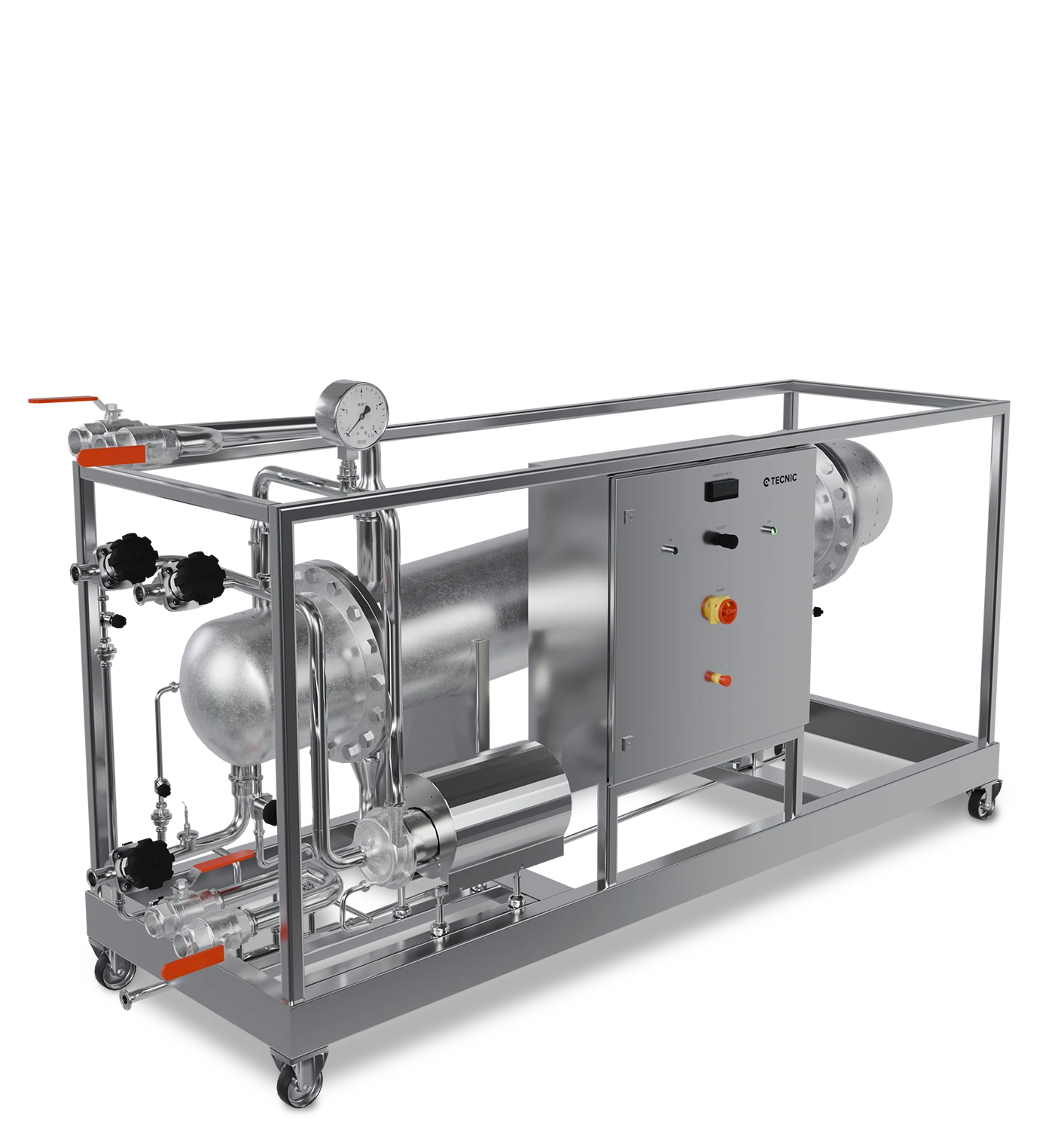
    Tank can be supplied with a jacket (single or double jacket options). The thermal circuit includes control elements and a heat exchanger, enabling temperature conditioning depending on utilities and project scope.

    • Jacket maximum pressure (reference): 1.5 bar
    • Thermal circuit safety: pressure regulator and safety valve (reference set-point 0.5 bar(g))
    • Heat exchanger (reference): T5-BFG, 12 plates, alloy 316, 0.5 mm, NBRP
    • Solenoid valves (reference): SMC VXZ262LGK, 1", DC 24 V, 10.5 W
    • Jacket sequences: fill / empty / flush (scope dependent)
    The tank maximum temperature may depend on the thermal circuit and consumable limits. Confirm final values with the selected eBag 3D specification.

    Instrumentation and sensors

    Optional SU

    Single-use sensors can be integrated via dedicated modules. The following references describe typical sensors and interfaces listed in the datasheet.

    VariableReference modelInterface / protocolSupplyOperating temperatureIP
    pHOneFerm Arc pH VP 70 NTC (SU)Arc Module SU pH, Modbus RTU7–30 VDC5–50 °CIP67
    ConductivityConducell-P SU (SU)Arc Module Cond-P SU, Modbus RTU7–30 VDC0–60 °CIP64
    TemperaturePt100 ø4 × 52 mm, M8 (non-invasive)Analog / acquisition moduleProject dependentProject dependentProject dependent
    Measurement ranges and final sensor list depend on the selected single-use components and project scope.

    Automation, software and data

    Standard + options

    The ePlus SUM control tower integrates an industrial PLC and touch HMI. Standard operation supports Manual / Automatic / Profile modes, with optional recipe execution depending on selected software scope.

    Software scope (reference)
    • Standard: eBASIC (base HMI functions)
    • Optional: eSCADA Basic or eSCADA Advanced (project dependent)
    • Trends, alarms and profiles, profiles up to 100 steps (depending on scope)
    • Data retention (reference): up to 1 year
    Connectivity (reference)
    • Industrial Ethernet and integrated OPC server (included)
    • Remote access option (project dependent)

    Utilities and facility interfaces

    Typical

    Installation requirements depend on jacket and temperature scope and the customer layout. The following values are typical references.

    UtilityPressureFlowConnectionsNotes
    Electrical supplyN/AReference: 18 A380–400 VAC, 3~ + N, 50 HzConfirm per final configuration and destination market
    EthernetN/AN/ARJ45OPC server, LAN integration
    Tap water2.5 barN/A1/2" (hose connection)Jacket fill and services, tank volume about 25 L
    Cooling water2–4 bar10–20 L/min2 × 3/4" (hose connection)Heat exchanger and jacket cooling
    Process air2–4 barN/A1/2" quick couplingUsed for jacket emptying
    DrainN/AN/A2 × 3/4" (hose connection)For draining
    ExhaustN/AN/AN/AOptional (depending on project)
    Stack light (optional)N/AN/AN/A3-colour indication, as per scope
    During FAT, verify in the installation checklist that the available utilities match the selected configuration and scope.

    Documentation and deliverables

    Project-based

    Deliverables depend on scope and project requirements. The following items are typical references included in the technical documentation package.

    • Datasheet and user manual (HMI and system operation)
    • Electrical schematics, PLC program and backup package (scope dependent)
    • P&ID, layout and GA drawings (PDF and/or CAD formats, project dependent)
    • Factory Acceptance Test (FAT) protocol and FAT report (as per contract)
    • Installation checklist
    • Material and consumable certificates, as required for regulated projects (scope dependent)
    On-site services (SAT, IQ/OQ) and extended compliance packages are optional and defined per project.

    Ordering and configuration

    Contact

    The ePlus Mixer scope is defined per project. To select the right tank size, bag format, sensors and optional jacket and software, please share your URS or request the configuration questionnaire.

    The information provided above is for general reference only and may be modified, updated or discontinued at any time without prior notice. Values and specifications are indicative and may vary depending on project scope, configuration and applicable requirements. This content does not constitute a binding offer, warranty, or contractual commitment. Any final specifications, deliverables and acceptance criteria will be confirmed in the corresponding quotation, technical documentation and/or contract documents.